

How often should the installed PP Biaxial Geogrid be inspected?
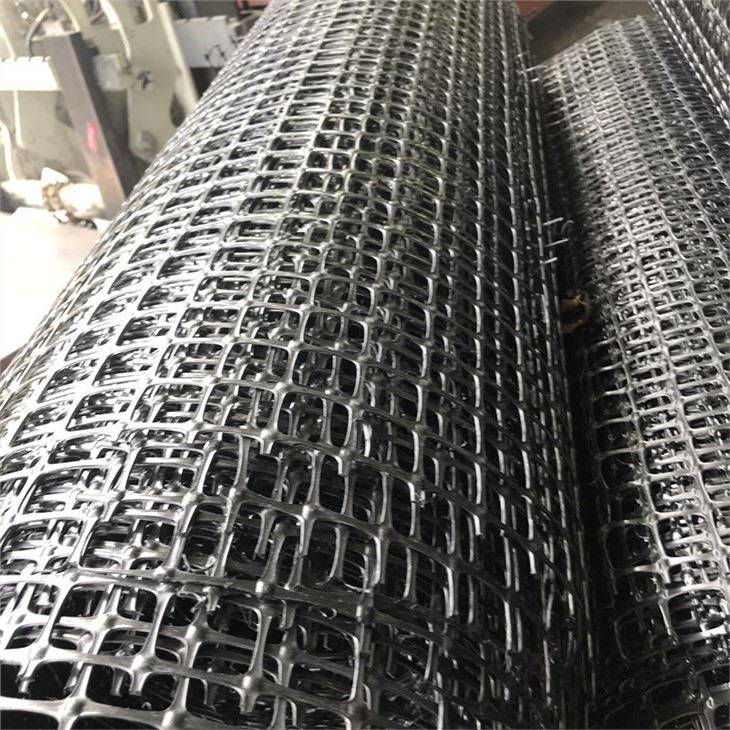
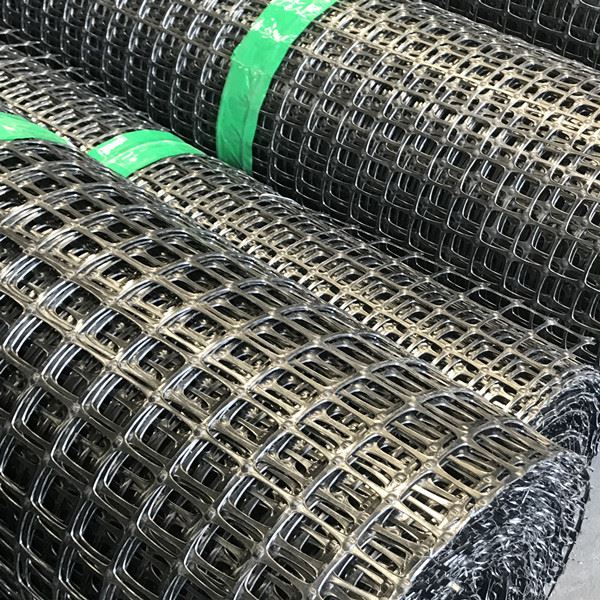
As a supplier of PP Biaxial Geogrid, I understand the importance of proper inspection and maintenance of these geogrids after installation. PP Biaxial Geogrid is a crucial component in various civil engineering projects, such as PP BX Geogrid, Road Construction Biaxial Geogrid, and PP Biaxial Plastic Geogrid For Soil Retainer. It provides reinforcement to soil structures, enhances stability, and helps prevent soil erosion. However, like any other construction material, it is subject to wear and tear over time, which makes regular inspections essential.
Factors Influencing Inspection Frequency
Several factors determine how often the installed PP Biaxial Geogrid should be inspected. These factors include the environment in which the geogrid is installed, the type of project it is used for, and the load it is expected to bear.
-
Environmental Conditions
- Climate: In areas with extreme weather conditions, such as heavy rainfall, strong winds, or freeze - thaw cycles, the geogrid may be more prone to damage. For example, in regions with high precipitation, water can cause soil movement and put additional stress on the geogrid. In such cases, more frequent inspections are necessary. It is recommended to conduct inspections at least once every three months in areas with harsh climates.
- Soil Type: Different soil types can have varying effects on the geogrid. For instance, expansive soils that swell and shrink with changes in moisture content can exert significant pressure on the geogrid. If the soil is highly corrosive, it can also degrade the geogrid material over time. In projects involving these challenging soil types, inspections should be carried out every six months.
-
Project Type
- Road Construction: In road construction projects, the geogrid is subjected to dynamic loads from traffic. The constant movement of vehicles can cause wear and tear on the geogrid. For newly constructed roads, an initial inspection should be done within the first month after installation to check for any immediate issues. Subsequently, inspections should be carried out every six months for the first two years, and then annually thereafter.
- Retaining Walls and Embankments: In projects related to soil retainers, the geogrid is crucial for maintaining the stability of the structure. Inspections for these projects should be more frequent, especially during the first year after installation. Monthly inspections for the first three months, followed by quarterly inspections for the next nine months, and then semi - annual inspections after the first year are advisable.
-
Load Conditions
- Static Loads: If the geogrid is used in a project with mainly static loads, such as a flat area for storage, the inspection frequency can be relatively lower. An initial inspection after installation and then annual inspections are usually sufficient.
- Dynamic and Variable Loads: In projects with dynamic loads, like railway tracks or areas with heavy machinery movement, the geogrid experiences more stress. These projects require more frequent inspections, perhaps every three to six months depending on the intensity of the load.
Inspection Procedures
When conducting inspections of the installed PP Biaxial Geogrid, the following steps should be followed:
- Visual Inspection
- Check for any visible signs of damage, such as tears, holes, or cuts in the geogrid. Look for areas where the geogrid may have been displaced or pulled out of position.
- Examine the connection points between the geogrid and other components of the structure. Ensure that the connections are secure and there are no signs of loosening.
- Soil and Structure Examination
- Observe the soil around the geogrid for any signs of settlement or movement. Uneven settlement can indicate that the geogrid is not functioning properly.
- Check the stability of the overall structure. For example, in a retaining wall, look for any signs of leaning or cracking, which could be related to geogrid failure.
- Material Testing
- In some cases, it may be necessary to take samples of the geogrid for laboratory testing. This can help determine the integrity of the material, including its strength and durability. Material testing should be carried out at least once every two years, especially in projects with high - risk factors.
Importance of Regular Inspections
Regular inspections of the installed PP Biaxial Geogrid offer several benefits:
- Early Detection of Problems
- By conducting regular inspections, any potential issues with the geogrid can be detected early. This allows for timely repairs or replacements, preventing more significant problems from developing. For example, if a small tear in the geogrid is detected early, it can be easily patched, avoiding further damage and potential structural failure.
- Ensuring Structural Integrity
- The geogrid plays a vital role in maintaining the stability of soil structures. Regular inspections help ensure that the geogrid is performing its intended function, thereby safeguarding the overall integrity of the project.
- Cost - Effectiveness
- Addressing minor issues during inspections is generally more cost - effective than dealing with major failures. Early detection and repair can save significant costs in terms of reconstruction and potential legal liabilities.
Conclusion and Call to Action
In conclusion, the frequency of inspecting installed PP Biaxial Geogrid depends on multiple factors, including environmental conditions, project type, and load conditions. By following the recommended inspection frequencies and procedures, you can ensure the long - term performance and durability of your geogrid - reinforced projects.
If you are planning a project that requires PP Biaxial Geogrid or need more information on proper inspection and maintenance, we are here to assist you. Our team of experts can provide you with high - quality geogrids and professional advice on installation and upkeep. Contact us for further discussion on your project requirements and to start a procurement negotiation.
References
- ASTM International. (20XX). Standard test methods for geosynthetics.
- Federal Highway Administration. (20XX). Geosynthetics in highway construction: Design and construction guidelines.
- Manual of Geosynthetic Practice, Geosynthetic Institute. (20XX).