

Why Choose Us?
Quality Assurance
All of our geogrid products are CE-certificate,and manufactured at ISO 9001 certified manufacturing soil reinforcement geogrids consistently meets demanding QA/QC requirements.Our Products are tested to rigorous ASTM standards both in-house.We have established a national-standard laboratory for in-house quality control. We built a strict quality control system in all aspects from raw materials testing and production processes to final product quality testing.
Professional Service
As a leading manufacturer of geosynthetics materials, we have been exported geogrid to more than 50 countries and regions abroad. On this basis, we continue to develop and provide geosynthetics products with excellent performance and professional technical services.
One-stop Geosynthetics Products
We provide one-stop geosynthetics products and solutions to global customers. Feicheng Lianyi Geosynthetics has supplied a wide range of effective and state-of-the-art Geomembranes, Geotextiles, Geocells, Geogrids to more than 50 countries and regions abroa.
Short Delivery Time
Now we own 50 sets of facilities,include 21 sets of Fiberglass Geogrid & Polyester Geogrid Production lines (include different widths of 4 meters,5meters,6meters), 9 sets of PP biaxial Geogrid Production lines (include different widths of 4 meters,5meters,6meters), 3 sets of PP & HDPE Uniaxial Geogrid Production lines, 4 sets of Steel-Plasti ccomposite Geogrid Production lines,3 sets of needlepunched Non woven geotextile & Spunbonded Nonwoven fabric ,2 Sets of Composite production lines and some production lines for Woven geotextile,HDPE Geomembrane,HDPE Geocell,Geonet etc,intotal 50 sets of machines currently,that's definitely the largest scale in China.
-
![Three-dimensional Vegetation Network]() Three-dimensional Vegetation NetworkThree-dimensional vegetation network can make the grass seeds uniformly dispersed over sloping surface solidly against wind and rain.read more
Three-dimensional Vegetation NetworkThree-dimensional vegetation network can make the grass seeds uniformly dispersed over sloping surface solidly against wind and rain.read more -
![Erosion Protection Matting]() Erosion Protection MattingErosion Protection Matting is widely used for fixing soil, grass and small plants roots, also applied in geosynthetics and other construction field.read more
Erosion Protection MattingErosion Protection Matting is widely used for fixing soil, grass and small plants roots, also applied in geosynthetics and other construction field.read more


Erosion Control Mat is a geosynthetic erosion control product that is a flexible, a lightweight three-dimensional mat made of high strength UV stabilized polymer core that caters for slopes surface protection or Soil Erosion Protection, in reducing discharge and promoting infiltration. Erosion Control Mat serves both the purpose of protecting surface soil from wash-off as well as facilitating rapid grass establishment.
Advantages of Erosion Control Mat
Cost-efficiency
Erosion control mats are a cost-effective method of preventing soil shift. They have a relatively simple design, consisting of layers of woven or otherwise bound natural and synthetic fibers. They’re a more effective and lower-cost alternative to other methods of erosion and can help your teams save time and money on projects. By preventing soil movement, you can avoid project setbacks related to erosion.
Versatility
While the varieties of erosion control blankets all work towards the same goal, they're also surprisingly versatile. They're essential to many different industries and types of projects, either by regulation or general need.
Ease of use
Overall, erosion control mats are easy to install and maintain. You can apply them to a variety of terrains by rolling them out, laying as many side-by-side as you need to cover the desired area. They’re also transportable to locations where heavy machinery may not be able to reach safely, such as on the banks of waterways.
Decomposition
Since many varieties of erosion control mats are made of natural materials, they break down over time. This feature means there's no need to retrieve the mats and that they will contribute to the revegetation and soil stability past their intended use period.
Types of Erosion Control Mat
Photodegradable Erosion Control Mats
Photodegradable erosion control mats typically have netting made from materials like plastic. The plastic contains UV stabilizers designed to stop functioning after a specific amount of time. After that happens, those parts of the netting break down under exposure to sunlight. The parts of the netting that are not exposed to sunlight, though, may take much longer to degrade.
Biodegradable Erosion Control Mats
Biodegradable erosion control mats typically contain natural fibers rather than plastics. The fibers break down into the natural environment, so these mats are an excellent choice for projects where minimal disruption to the natural environment is a high priority. Depending on their composition, biodegradable erosion control mats may break down in a matter of months, or the process may take a few years.
Permanent Erosion Control Mats
Permanent erosion control mats provide the longest-term solution available. While the matrix may decompose, the mats are designed not to break down at all. Two common types of permanent erosion control mats are Turf Reinforcement Mats (TRMs) and High-Performance Turf Reinforcement Mats (HPTRMs).
Application of Erosion Control Mat
Construction
Both residential and commercial construction require erosion control for specific projects. The landscaping and building that go into creating new homes, stores and office buildings change the erosive landscape of the surrounding area, as well as the water quality and various habitats. As construction companies move soil and uproot the natural vegetation, they may create regions more prone to soil erosion.
Mining
Coal mine sites are heavily occupied by loose sediments and soil, meaning sediment and erosion control is essential for successful coal mine reclamation. Individual states have regulations regarding the specifics for reclamation. Local authorities may also take into consideration doing what is best for local wildlife, environment and water sources when evaluating erosion control plans.
Oil and Gas
The process of extracting oil and gas from beneath the earth's surface requires a significant amount of soil disturbance. Between the reclamation of inactive well sites, pipeline excavation and building and drilling site operation, oil and gas industries can do a lot of damage to natural soil, vegetation and natural water flow processes. Observing proper erosion control measures and addressing issues as you relocate and pack topsoil is essential.
Transportation Infrastructure
To create new roads, bridges and other transportation structures, developers and construction teams have to clear areas of topsoil, compact fill material and shape the earth through digging and layering. With the addition of construction, these processes can affect the flow of rainfall and water, leading to soil erosion that prevents growth and interferes with the infrastructure. State DOTs require erosion control to help minimize vehicular dangers, protect the natural landscape and maintain the integrity of the infrastructure.
Waterway Restoration
Over time, streams and rivers can become subject to harmful erosion patterns. From ice formations to floods and rainfall, weather conditions can erode banks, undercut terrain and loosen major tree roots. Along with natural causes, dam installation, reconstruction and removal can have a significantly negative effect. Waterway restoration teams can use erosion control tactics to their advantage.
Installation Method of Erosion Control Mat
Clear installation site
Inspect the site closely by making a circuit of the site. Look for things like branches, rocks, dirt clods, roots or unwanted vegetation. Use a shovel, tiller, aerator, or pitchfork to break compacted soil once you have cleared the site (if necessary). It is important for the erosion control mat to lie directly on the topsoil without any obstructions.
Dig a trench if installing on a slope
You will need to dig a shallow trench at the top if installing on a slope or a hill. Remove 1/2 ft. (0.15 m) of soil using a shovel or space in a straight line. This slight depression is necessary to anchor your erosion control mat and prevent it from being dragged downwards by gravity. You can skip this step if installing the erosion control matting on a flat surface.
Line the shallow trench
Free 3 feet of the material from its roll and line it over the depression. Smooth it using your hands, ensuring at least 6 inches of material is resting on top of the trench. This step is important to settle the mat’s hold. Do not unroll the remaining part before securing the loose end properly.
Use fasteners to tack the mat
Your erosion control matting would come with its own specially designed staples or pins for easy installation. Read manufacturer directions and space the fasteners as directed. Sink them deep at the center of the shallow trench using a rubber mallet or a hammer. Generally, fasteners should be placed 6 – 8 inches from the loose edge on each side and the third into the center point.
Overlap additional mat edges
You need to lay additional mat edges under the vertical edges of the matting beside it. This will help in creating an overlap which will prevent any soil from being left exposed. An average overlap of 4 inches is recommended by most manufacturers. However, you should use your judgment and take a call depending on the unique dimensions of the erosion control mats you are working with.
Refill the trench
Use your spade or shovel to reline the trench with the soil you removed earlier. Make sure the erosion control mats are firmly staked. Smooth the soil afterwards by patting the surface lightly and tamping it down. The upper end of your mat should stay secured with the fasteners and compact soil.
Unroll and fasten remaining mat
You should wait to unroll the mat until you have properly secured the loose side by staking it inside the trench. Fasten the remaining erosion control mat every 2 – 3 feet. Drive a staple into overlapping vertical edges at regular intervals. Make sure you line the fasteners symmetrically and sink them completely in the soil. Improperly spaced fasteners can cause the mat to pull, twist or bunch which will render it ineffective.
What to Remember When Installing a Erosion Control Mat
Limit Erosive Forces
The goal is to reduce erosive forces and increase resistance as much as possible. If the erosive forces impacting the soil are greater than the soil’s resistance, then erosion will take place. This is why proper placement and installation of the product is vital for erosion protection. The erosion control mat must remain in constant contact with the soil surface in order to effectively protect it.
Grading and Soil Preparation
Regardless of where you are installing a erosion control mat, the process will begin with preparing the terrain. Grading soil and removing items that can prevent the TRM from conforming to the soil surface is essential. Remember, fine grading the soil to create a smooth seedbed will make effectively conforming and securing the erosion control mat to the surface much quicker and easier.
Vegetation is Vital
Erosion control mats are used on steep slopes, drainage channels, outfall areas, shorelines, and other places where erosive forces make it difficult for natural vegetation to establish growth. Be sure to use vegetation types and seeding rates that have been prescribed by a qualified professional for your particular site. The long term objective of erosion control mats in such locations is to create reinforced vegetative armoring, with erosion resistance similar to large rock riprap and concrete blocks. However, in order to establish erosion control mat-reinforced vegetation, highly effective immediate erosion protection is absolutely necessary. To maximize a erosion control mats pre-vegetated performance, it must be installed properly.

You should make it a point to inspect the erosion control mats at least once every seven days or as is reasonable to you. You should immediately inspect the site after a rainfall event (or at least within 48 hours) if adequate vegetation is yet to be established. This will give you a clear picture about storm-water runoff. Precipitation above ½ inch usually warrants a quick inspection within 24 hours.
While inspecting the erosion control mat installation site after seeding, you should verify the top soil is free of rocks and relatively smooth. It is alright for rocks smaller than 2 inches to be left alone. However, the site should be free of vegetation clumps, protruding roots, sticks, debris, and trash. Check the staking pattern after installation to see if everything is done right and fitted properly.
Look at soil contact, anchor slot backfill, overlaps and shingling as well. Upslope erosion control mats should be overlapping the downslope mats. You need to pay particular attention when installing erosion control matting on long steep slopes, especially if they are below waterline in channels and ditches.
Make sure you cordon off the area after installing the mats to keep vehicles, equipment, and foot traffic away. When installing after a rainfall event you should look for sags or “pulls” on steep slopes. This is where the runoff or weight of precipitation clings to the erosion control mat to pull it away downhill.
It is possible for firmly anchored staples and slots to give way under heavy deluge. You can do proper damage control after identifying the problem area and fixing it without delay. Look for areas where any overlap may have been flipped up by animals or runoff, or pulled apart.
If you find any signs of protected animal species around, you should look for crawling animals that may be trapped under the mat.
What Erosion Control Mats Are Made Of
Straw is a common material used in erosion control mats
Loose straw is popular for farmers. Straw is lightweight, easy to install, and very effective when woven into an erosion control mat. It's also one of the most widely available.
Many erosion nets use coconut fibers
This material is biodegradable and durable. It doesn't come unwoven until it settles into the ground and guides seedlings. It can withstand wind, rain, and many other weather patterns. Although they're not as common as other options, they're quickly rising in popularity.
Some options are made of wood excelsior
Wood excelsior is thin wood shavings left over from various projects. It's used in everything from packaging and shipping to erosion control. It's woven into a mat and used to prevent erosion. Although it's not as dense as other materials, it can hold much more water.
Polypropylene is becoming a top choice for many people
The biggest downside is it's not biodegradable. However, if you intend to grow grass for a long time, the con becomes a pro. Polypropylene erosion control mats are extremely UV-resistant and much more durable than other organic nets.
How Long Do Erosion Control Mats Last?
Ultra Short-Term
Ultra short-term mats offer the quickest decomposition time. Often referred to as accelerated mats, they typically break down one month after installation and rarely last for more than three months.
Short-Term
Short-term mats are manufactured in single and double net varieties. They’re the ideal choice when looking for a solution that will last between six and twelve months.
Extended-Term
Extended-term mats are made of slowly degrading fibers that increase their longevity. You can expect extended-term mats to maintain their strength for two years.
Long-Term
Long-term mats offer the best UV stability, which allows them to be used for up to three years.
Erosion control mats are engineered with precision. The choice of materials, such as straw, coconut fibers, or synthetic polymers, is based on their ability to enhance soil stability and foster plant growth. These mats create a microenvironment that nurtures seed germination by retaining moisture and regulating temperature. Additionally, their porous structure allows for gas exchange, fostering healthy root development.
Factors to Consider When Choosing the Proper Erosion Control Mat
Slope
The slope of the project is one of the key factors in determining which type of erosion control mat to use. A steeper slope may require a mat with a higher degree of stability, while a gentler slope may only require a more basic mat. Sloped areas often need extra stabilization.
Type of Soil
The type of soil on the project site is also important to consider when selecting an erosion control mat. For example, heavy clay soils may require a mat with more stability, while sandier soils may not require as much stability.
Amount of Rainfall
The amount of rainfall in the area can also affect the choice of erosion control mat. Projects in areas with high amounts of rainfall may require a mat with a higher degree of stability to prevent erosion during heavy rain events.
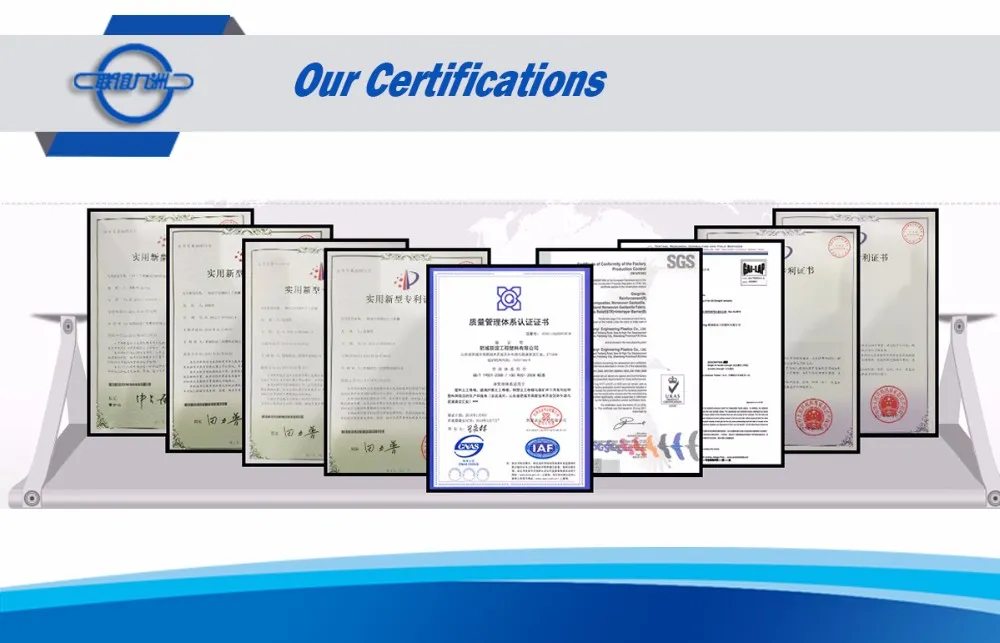
Our Certifications
ISO 9001 ,CE certificate and GB/T24001/ISO14001,GB/T24001/ISO14001
Our Factory
Feicheng Lianyi Engineering Plastics Co., Ltd has an excellent team with strong professional and technical capabilities, strong scientific management capabilities, and strong market development capabilities, talents who are good at operation and management, and a young, professional, energetic, pioneering and enterprising team. Enterprises bring infinite vitality. We attaches great importance to product promotion and brand building, and has established a wide range of win-win cooperation relationships.
Ultimate FAQ Guide to Erosion Control Mat
We're known as one of the most professional erosion control mat manufacturers and suppliers in China, featured by quality products and good service. Please feel free to buy erosion control mat at competitive price from our factory.
Erosion Control Mat, Three dimensional Vegetation Network, Erosion Protection Matting