

Hey there! I'm a supplier of Erosion Control Mats, and today I wanna chat about how these mats interact with plant roots. It's a super interesting topic that's crucial for anyone dealing with soil erosion and vegetation growth.
First off, let's understand what erosion control mats are. These mats are designed to prevent soil erosion by stabilizing the soil surface. They come in different types, like the Erosion Protection Matting and the Three-dimensional Vegetation Network. Each type has its own unique features and benefits, but they all share the common goal of protecting the soil and promoting plant growth.
Now, let's get into the nitty-gritty of how these mats interact with plant roots. When you lay down an erosion control mat on the soil surface, it creates a physical barrier that helps to hold the soil in place. This is especially important on slopes or areas prone to erosion, where the soil can easily be washed away by rain or wind. The mat also provides a stable surface for the seeds to germinate and the young plants to grow.
One of the key ways that erosion control mats interact with plant roots is by providing support. The roots of young plants are often weak and can easily be damaged by the elements. The mat acts as a sort of scaffolding, giving the roots something to hold onto as they grow. This helps to prevent the plants from being uprooted by wind or water, and it also encourages the roots to grow deeper into the soil.
Another important interaction between erosion control mats and plant roots is the exchange of nutrients. The mat can act as a reservoir for nutrients, holding them in place and making them more available to the plants. This is especially important in areas where the soil is poor or depleted. The mat can also help to prevent the leaching of nutrients from the soil, which can be a major problem in areas with heavy rainfall.
In addition to providing support and nutrients, erosion control mats can also help to regulate the temperature and moisture levels in the soil. The mat acts as an insulator, keeping the soil warm in the winter and cool in the summer. This can be beneficial for the plants, as it helps to create a more stable growing environment. The mat also helps to retain moisture in the soil, which is important for the survival of the plants, especially during dry periods.
Now, let's talk about the different types of erosion control mats and how they interact with plant roots. There are two main types of erosion control mats: biodegradable and non-biodegradable. Biodegradable mats are made from natural materials, such as straw, coconut fiber, or wood chips. These mats are designed to break down over time, returning nutrients to the soil and eventually disappearing. Non-biodegradable mats, on the other hand, are made from synthetic materials, such as plastic or geotextiles. These mats are designed to last longer and provide more permanent erosion control.
Biodegradable erosion control mats are often preferred for use in areas where vegetation growth is desired. As the mat breaks down, it releases nutrients into the soil, which can help to promote the growth of the plants. The mat also provides a natural habitat for beneficial microorganisms, which can help to improve the health of the soil. However, biodegradable mats may not be suitable for all applications, as they may not provide enough long-term erosion control in areas with heavy rainfall or high winds.
Non-biodegradable erosion control mats are often used in areas where long-term erosion control is required. These mats are more durable and can provide more reliable protection against soil erosion. However, they may not be as beneficial for the plants, as they do not break down and release nutrients into the soil. In addition, non-biodegradable mats may need to be removed after a certain period of time, which can be a hassle.
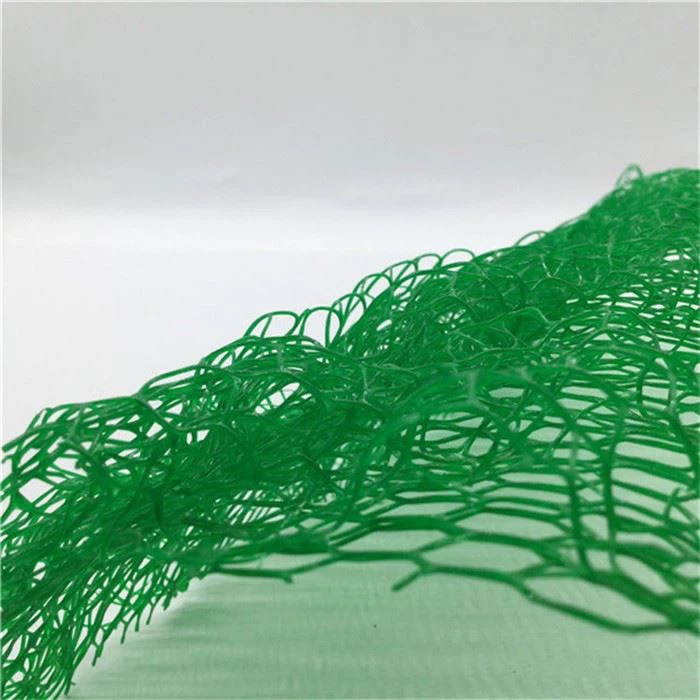

So, how do you choose the right erosion control mat for your project? There are several factors to consider, including the type of soil, the slope of the area, the amount of rainfall, and the type of vegetation you want to grow. It's also important to choose a mat that is compatible with the plants you are using. Some mats may be too thick or too heavy for certain types of plants, while others may not provide enough support.
If you're not sure which type of erosion control mat is right for your project, I recommend consulting with a professional. A landscape architect or erosion control specialist can help you to assess your needs and choose the best mat for your situation. They can also provide you with advice on how to install the mat and care for the plants.
In conclusion, erosion control mats play an important role in protecting the soil and promoting plant growth. They interact with plant roots in several ways, providing support, nutrients, and a stable growing environment. By choosing the right type of mat and installing it correctly, you can help to ensure the success of your erosion control project and the health of your plants.
If you're interested in learning more about erosion control mats or if you're looking for a reliable supplier, please don't hesitate to contact me. I'd be happy to answer any questions you may have and help you to find the right solution for your project. Let's work together to protect our soil and our environment!
References:
- "Erosion Control: Principles and Practices" by David A. Woolhiser
- "Soil Erosion and Conservation" by David L. Montgomery
- "Vegetation and Erosion Control" by John W. Dwyer