

Underground engineering, which encompasses various projects such as tunnels, underground parking lots, and subway systems, demands materials that can withstand complex geological conditions and heavy loads. As a leading supplier of welded geogrid, I often receive inquiries about whether our products can be used in underground engineering. In this blog post, I will delve into the properties of welded geogrid and explore its potential applications in underground engineering.
Understanding Welded Geogrid
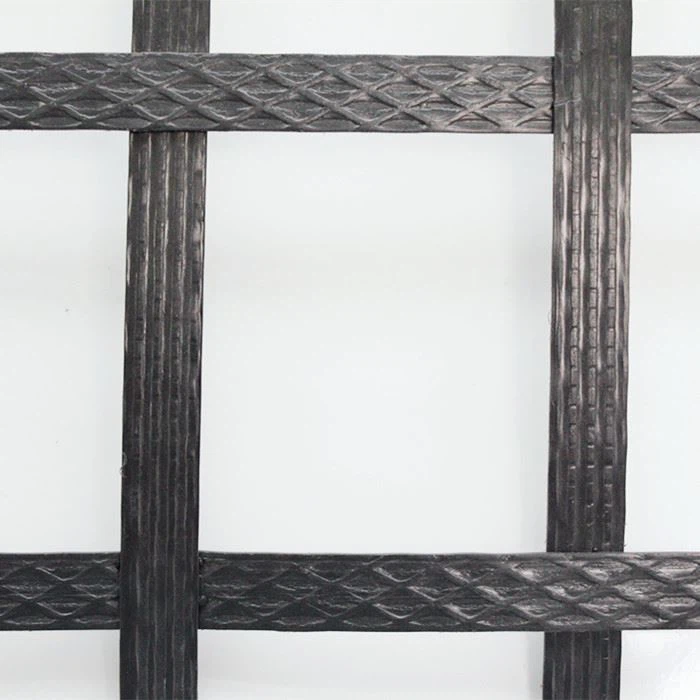
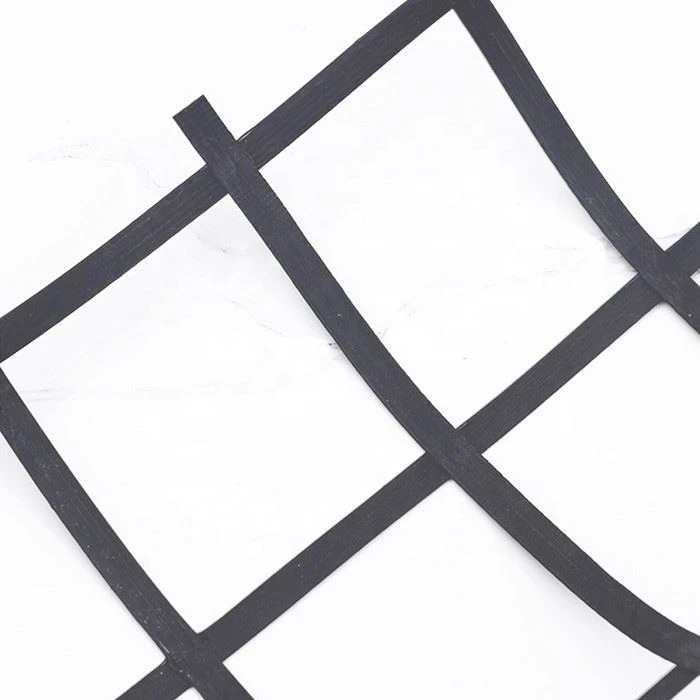
Welded geogrid is a type of geosynthetic material made by welding high - strength polymer or metal bars at their intersections. The most common types of welded geogrids in our product range include PP Welded Geogrid, Welding PET Geogrid, and PP Laser Welded Geogrid. These geogrids have unique characteristics that make them suitable for a variety of engineering applications.
Material Properties
- High Tensile Strength: Welded geogrids are designed to have high tensile strength, which allows them to resist large forces. This property is crucial in underground engineering, where the materials are often subjected to significant soil pressures and loads. For example, in tunnel construction, the geogrid can help distribute the load from the overlying soil and rock, reducing the stress on the tunnel lining.
- Good Chemical Resistance: The polymers used in welded geogrids, such as polypropylene (PP) and polyethylene terephthalate (PET), have excellent chemical resistance. They can withstand the corrosive effects of underground water, soil chemicals, and other environmental factors. This ensures the long - term durability of the geogrid in the harsh underground environment.
- Flexibility and Adaptability: Welded geogrids are flexible and can be easily adapted to different shapes and sizes. This makes them suitable for use in complex underground structures, such as irregularly shaped tunnels or underground chambers. They can be cut and installed according to the specific requirements of the project.
Applications of Welded Geogrid in Underground Engineering
Tunnel Reinforcement
- Soil Stabilization: In tunnel construction, the surrounding soil may be loose or unstable. Welded geogrid can be installed in the soil around the tunnel to improve its stability. By providing lateral restraint, the geogrid prevents the soil from collapsing and reduces the deformation of the tunnel. For instance, in soft soil areas, the geogrid can be placed in layers within the soil to create a reinforced soil mass, which can better support the tunnel structure.
- Load Distribution: The high tensile strength of welded geogrid enables it to distribute the load from the overlying soil and traffic evenly across the tunnel lining. This reduces the concentrated stress on the lining, preventing cracking and damage. In urban areas where tunnels are often located under busy roads or buildings, the use of welded geogrid can significantly enhance the safety and durability of the tunnel.
Underground Slope Protection
- Slope Stabilization: In underground engineering projects, there are often slopes, such as the slopes of underground excavation pits. Welded geogrid can be used to reinforce these slopes. By anchoring the geogrid to the slope surface and covering it with soil or other backfill materials, a stable slope structure can be formed. The geogrid resists the shear forces acting on the slope, preventing landslides and slope failures.
- Erosion Control: Underground slopes are also vulnerable to erosion caused by underground water seepage. The geogrid can help control erosion by holding the soil in place. It allows water to drain through while preventing the loss of soil particles, thus maintaining the integrity of the slope.
Foundation Reinforcement for Underground Structures
- Improving Bearing Capacity: For underground structures such as underground parking lots and basements, the foundation needs to have sufficient bearing capacity to support the weight of the structure. Welded geogrid can be incorporated into the foundation soil to improve its bearing capacity. By increasing the lateral confinement of the soil, the geogrid enhances the soil's shear strength, allowing it to support heavier loads.
- Reducing Settlement: The use of welded geogrid in the foundation can also reduce the settlement of underground structures. It helps to distribute the load more evenly, minimizing differential settlement. This is particularly important for large - scale underground projects, where uneven settlement can cause structural damage.
Advantages of Using Welded Geogrid in Underground Engineering
Cost - Effectiveness
- Reduced Construction Costs: Compared with traditional reinforcement methods, such as using steel bars or concrete piles, the use of welded geogrid can significantly reduce construction costs. Geogrids are relatively inexpensive, and their installation is simpler and faster. This can save both material and labor costs in underground engineering projects.
- Long - Term Savings: The long - term durability of welded geogrid means that it requires less maintenance over its service life. This reduces the long - term costs associated with underground engineering projects, as there is no need for frequent repairs or replacements.
Environmental Friendliness
- Recyclable Materials: Many welded geogrids are made from recyclable polymers, which are more environmentally friendly than traditional construction materials. At the end of their service life, these geogrids can be recycled, reducing the amount of waste generated by underground engineering projects.
- Reduced Environmental Impact: The installation of welded geogrid is less invasive than some traditional construction methods. It requires less excavation and disturbance of the surrounding environment, which helps to protect the natural ecosystem in the underground area.
Challenges and Considerations
Installation Difficulties
- Underground Conditions: The installation of welded geogrid in underground engineering can be challenging due to the limited space and difficult access. Special installation equipment and techniques may be required to ensure the proper placement of the geogrid. For example, in narrow tunnels, the installation process needs to be carefully planned to avoid damage to the geogrid and other construction materials.
- Soil Conditions: The properties of the underground soil, such as its moisture content, density, and particle size, can affect the performance of the welded geogrid. In some cases, the soil may need to be pre - treated to ensure good bonding between the geogrid and the soil.
Compatibility with Other Materials
- Lining Materials: In tunnel construction, the welded geogrid needs to be compatible with the tunnel lining materials, such as concrete or steel. Incompatibility may lead to problems such as poor adhesion or chemical reactions, which can affect the performance of the entire structure. Therefore, it is important to conduct compatibility tests before using the geogrid in combination with other materials.
Conclusion
In conclusion, welded geogrid can be effectively used in underground engineering. Its high tensile strength, good chemical resistance, and flexibility make it suitable for various applications, including tunnel reinforcement, underground slope protection, and foundation reinforcement. The cost - effectiveness and environmental friendliness of welded geogrid also make it an attractive choice for underground engineering projects.
However, it is important to consider the challenges and limitations associated with its use, such as installation difficulties and compatibility issues. By carefully planning the installation process and ensuring the compatibility of materials, the performance of welded geogrid in underground engineering can be optimized.
If you are involved in an underground engineering project and are interested in using welded geogrid, please feel free to contact us for more information. We can provide you with detailed product specifications, installation guidance, and cost estimates. Our team of experts is always ready to assist you in finding the most suitable welded geogrid solution for your project.
References
- ASTM D6637/D6637M - 18, Standard Specification for Welded Polypropylene Geogrids for Reinforcement of Soil and Other Granular Materials.
- Giroud, J. P., & Han, J. (2004). Design and construction guidelines for mechanically stabilized earth walls and reinforced soil slopes. Federal Highway Administration.
- Koerner, R. M. (2012). Designing with geosynthetics. Pearson.