

Why Choose Us?
Quality Assurance
All of our geogrid products are CE-certificate,and manufactured at ISO 9001 certified manufacturing soil reinforcement geogrids consistently meets demanding QA/QC requirements.Our Products are tested to rigorous ASTM standards both in-house.We have established a national-standard laboratory for in-house quality control. We built a strict quality control system in all aspects from raw materials testing and production processes to final product quality testing.
Professional Service
As a leading manufacturer of geosynthetics materials, we have been exported geogrid to more than 50 countries and regions abroad. On this basis, we continue to develop and provide geosynthetics products with excellent performance and professional technical services.
One-stop Geosynthetics Products
We provide one-stop geosynthetics products and solutions to global customers. Feicheng Lianyi Geosynthetics has supplied a wide range of effective and state-of-the-art Geomembranes, Geotextiles, Geocells, Geogrids to more than 50 countries and regions abroa.
Short Delivery Time
Now we own 50 sets of facilities,include 21 sets of Fiberglass Geogrid & Polyester Geogrid Production lines (include different widths of 4 meters,5meters,6meters), 9 sets of PP biaxial Geogrid Production lines (include different widths of 4 meters,5meters,6meters), 3 sets of PP & HDPE Uniaxial Geogrid Production lines, 4 sets of Steel-Plasti ccomposite Geogrid Production lines,3 sets of needlepunched Non woven geotextile & Spunbonded Nonwoven fabric ,2 Sets of Composite production lines and some production lines for Woven geotextile,HDPE Geomembrane,HDPE Geocell,Geonet etc,intotal 50 sets of machines currently,that's definitely the largest scale in China.
-
![Triplanar Geonet]() Triplanar GeonetThey are designed to transmit fluids and gasses uniformly under many field conditions.read more
Triplanar GeonetThey are designed to transmit fluids and gasses uniformly under many field conditions.read more -
![Three Dimensional HDPE Geonet]() Three Dimensional HDPE GeonetHas a compressive strength far greater than ordinary drainage geonetread more
Three Dimensional HDPE GeonetHas a compressive strength far greater than ordinary drainage geonetread more -
![HDPE Geonet]() HDPE GeonetHDPE geonet, also known as high-density polyethylene geonet, is a type of geosynthetic material used in various civil engineering and environmental applications.read more
HDPE GeonetHDPE geonet, also known as high-density polyethylene geonet, is a type of geosynthetic material used in various civil engineering and environmental applications.read more


HDPE geonet is a geosynthetic material derived from high-density polyethylene extruded into a mesh-like structure. Using high-density polyethylene to make these geonets gives the material excellent strength, durability, and chemical resistance. HDPE Geonets have a three-dimensional configuration with an open mesh-like structure created via a continuous extrusion process.
Advantages of HDPE Geonet
Exceptional Drainage
HDPE geonets efficiently channel water away from critical areas, ensuring effective moisture management. This feature is particularly valuable in applications like retaining walls, landfills, and green roofs. HDPE geonets are lightweight and easy to install, reducing labor and transportation costs.
Reduced Hydrostatic Pressure
HDPE geonets play a crucial role in reducing the buildup of hydrostatic pressure, preserving the structural integrity of the project. This benefit is especially evident in underground applications such as tunnels and basements.
Enhanced Soil Reinforcement
HDPE geonets enhance soil stability and prevent erosion, making them ideal for slope stabilization and embankment construction. Their lightweight nature and ease of installation also lead to reduced labor and transportation costs.
Longevity
HDPE geonets are durable and boast a longer service life, contributing to their cost-effectiveness in the long term. Their lightweight design further facilitates easy installation, reducing both labor and transportation expenses.
Versatility
HDPE geonets offer flexibility and can be tailored to meet specific project requirements. They are available in various sizes, thicknesses, and materials, and their lightweight construction makes them easy to install, resulting in reduced labor and transportation costs.
Application of HDPE Geonet
Landfill Drainage
In landfill applications, HDPE geonets are used to collect and transport leachate, a liquid that percolates through waste. They are placed in landfill liners or caps to prevent the buildup of leachate, which can be harmful to the surrounding environment.
Road and Railway Construction
HDPE geonets are used beneath roads and railway tracks to provide effective drainage, which helps maintain the structural integrity of these constructions. Proper drainage is crucial to prevent waterlogging, which can weaken and damage the road or railway base.
Earth Retaining Structures
In retaining walls and embankments, HDPE geonets are used to relieve hydrostatic pressure by providing a path for water drainage. This helps in stabilizing these structures and preventing water-related damage or failure.
Foundation Drainage
In building foundations, HDPE geonets can be used to facilitate the drainage of water away from the foundation, thereby reducing the risk of water damage and structural issues related to water infiltration.
Erosion Control
They can be used in erosion control systems to manage the flow of surface water and reduce the impact of water on slopes and embankments.
Tunnel Drainage
In tunnel construction, HDPE geonets are used to collect and channel water away from the tunnel walls, helping to manage water ingress and maintain structural integrity.
Roof Gardens and Landscaping
In green roofing systems and landscaped areas, HDPE geonets can assist in managing excess water, thus protecting the structure and the vegetation.
Pond and Reservoir Liners
HDPE geonets are used in the drainage layers of pond and reservoir liners to control the water levels and manage seepage effectively.
What Is a HDPE Geonet Made Of?
HDPE geonets are primarily made from virgin high-density polyethylene (HDPE) or polypropylene, materials selected for their exceptional durability, chemical resistance, and capacity to endure environmental stressors such as UV radiation and extreme temperatures. The term “virgin” indicates that the HDPE used is in its purest form, not recycled, which contributes to the strength and longevity of the HDPE geonet. The net-like structure of HDPE geonets is crafted through a process of extrusion, which meticulously shapes the polymer into a continuous, interconnected mesh. This intricate construction ensures the HDPE geonet’s durability and reliability across a wide range of environmental conditions, making it an indispensable material in geosynthetic applications.
HDPE geonets are not only effective in their functionality but also offer cost-effectiveness and durability. Their installation is generally more economical compared to traditional drainage and soil reinforcement methods. HDPE geonets are manufactured from high-density polyethylene (HDPE) or similar materials, which are resistant to chemicals, rot, and wear. This durability ensures a long lifespan, reducing the need for frequent replacements and thus offering long-term cost savings. Additionally, their lightweight nature reduces transportation and handling costs, further enhancing their cost-effectiveness.
HDPE geonets, with their unique net-like structure, are essential in modern geotechnical engineering and environmental conservation. They are primarily used for drainage and erosion control, differing from geogrids, which are used for soil stabilization. HDPE geonets contribute significantly to environmental protection by preventing soil erosion and contamination, especially in sensitive areas like landfills. Their cost-effectiveness and durability make them a preferred choice in various applications, highlighting the “HDPE geonet benefit” in both economic and environmental contexts. As we continue to face environmental challenges, the role of HDPE geonets in sustainable construction and conservation efforts becomes increasingly vital.

The transmissivity of a HDPE geonet refers to its ability to transmit fluids through its structure. It is a critical parameter in evaluating the performance of HDPE geonets in landfill applications. Transmissivity is typically measured in square meters per second (m2/s) and is a key indicator of how effectively a HDPE geonet can drain liquids. HDPE geonets with higher transmissivity values are more efficient at draining leachate and preventing its accumulation within the landfill. A higher transmissivity allows for faster leachate removal, reducing the risk of contamination and maintaining the landfill’s structural integrity.
How are HDPE Geonets Installed in Landfills?
The installation of HDPE geonets in landfills involves a series of well-defined steps:
Site Preparation
Before installation, the landfill area is carefully prepared, ensuring a stable base and proper grading.
HDPE geonet Placement
HDPE geonets are rolled out on the prepared surface, forming a network of drainage channels. They are secured in place using staples or other appropriate methods.
Covering and Overlapping
Multiple layers of HDPE geonets may be installed, and they should be overlapped to ensure continuous drainage pathways. The top layer is typically covered with a protective geotextile fabric.
Waste Layer
After HDPE geonet installation, waste materials are added to the landfill, and HDPE geonets are placed between the different waste layers.
Final Cover
The landfill is capped with a final cover system, which may include additional geosynthetic materials to further protect against leachate migration.
What Is the Shape of Apertures in HDPE Geonets?
The apertures in HDPE geonets, featuring a mesh structure, polymeric structure, or square, diamond, or hexagon net shape, are usually designed in a geometric pattern, often being triangular, rectangular, or diamond-shaped. These shapes, whether in a mesh, polymeric, square, diamond, or hexagon form, are strategically chosen to optimize fluid flow while maintaining the material’s strength and integrity. The size and pattern of the apertures, regardless of whether they are mesh-like, polymeric, or in square, diamond, or hexagon shapes, are critical in determining the drainage capacity and pressure distribution characteristics of the HDPE geonet.
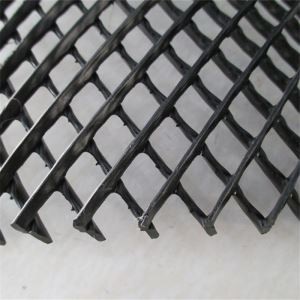
HDPE geonets offer a versatile solution for managing water and filtration needs, with thickness options ranging from 4mm to 20mm. The selection of HDPE geonet thickness is a critical decision influenced by the unique demands of each project. Thicker HDPE geonets, falling in the 4mm to 8.4mm range, are frequently preferred for high-demand drainage applications, capable of withstanding substantial loads and efficiently directing water flow. On the other hand, thinner HDPE geonets within this range may be suitable for projects with lighter loads, such as filtration requirements. The versatility in HDPE geonet thickness allows for tailored solutions that address the precise needs of each construction or environmental endeavor.
Erosion is the beginning phase of desertification. Due to climate change and harmful developments for the ecosystem, day by day the regions which have been facing desertification have been increasing enormously. In particular, desertification changes these regions’ soil structure. These region's soil layer has been starting extremely sensitive. On the other hand, the vegetation layer gets enormously thin and due to all these developments, in the end, the climate gets so harsh. To be honest, approximately 73% of the arid areas in Africa, are at moderate or severe risk of desertification. In Asia, 1.4 million hectares are affected in the same way. However, this problem is not unique to developing countries. The continent with the highest number of severely or moderately deserted arid areas is North America at 74%. Five of the countries in the European Union have desertification problems. The most affected areas in Asia are located in the former Soviet Union.
How Does HDPE Geonet Water Flow Direction Influence Environmental and Construction Projects?
The direction of water flow within a HDPE geonet system plays a pivotal role in the effectiveness of drainage and the stability of construction and environmental projects. Properly designed HDPE geonet systems ensure that water is directed away from areas where it could cause damage or instability, such as building foundations, slopes, and landfill liners. By controlling the flow direction, HDPE geonets help to minimize erosion, reduce the risk of flooding, and prevent the contamination of surrounding land and water bodies. In environmental projects, such as wetland restoration or mining reclamation, the controlled water flow direction is essential for the success of the project, ensuring that water is distributed or removed in a way that supports the project's ecological goals.

What Are the Challenges and Considerations in Implementing HDPE Geonet Systems?
Implementing HDPE geonet systems involves several challenges and considerations. One of the primary concerns is the correct design and installation to ensure that the water flow direction meets the project's requirements. This involves detailed site analysis, hydrological studies, and engineering design to prevent system failure. Another challenge is the potential for clogging, which can reduce the efficiency of the HDPE geonet system. Regular maintenance and monitoring are required to address this issue. Additionally, the environmental impact of using synthetic materials like HDPE must be considered, including the potential for pollution and the need for sustainable disposal methods at the end of the HDPE geonet's lifecycle. HDPE geonets play a crucial role in managing water flow direction beneath the earth's surface, offering a robust solution to drainage and gas venting challenges in environmental and construction projects. Their unique properties, such as high durability, chemical resistance, and efficient water conductivity, make them indispensable in modern engineering applications. However, the successful implementation of HDPE geonet systems requires careful planning, design, and maintenance to overcome challenges and ensure their long-term effectiveness. As we continue to harness the power of HDPE geonets, their contribution to sustainable development and environmental conservation becomes increasingly evident, marking them as a key component in the world's subsurface water management strategies.
Geogrids and geonets are essential to many civil engineering projects as they help stabilize soil and protect against landslides, erosion, and other environmental damage. These geosynthetic materials are generally made from plastic or metal, with geogrids typically being composed of plastic and geonets using either material. The decision to use one or the other ultimately depends on the application of the product in question – for example, metal may be better if the project involves very high compressive forces that require extra reinforcement. In any case, geogrids and geonets have become invaluable assets for many engineering applications and can help boost the strength and durability of almost any structure.
Geogrids and geonets are commonly used in civil engineering applications and have different features that suit different needs. Geogrids have the advantage of being available in a variety of sizes and shapes, which makes them perfect for projects such as reinforcing retaining walls and slope stabilization. On the other hand, geonets are typically only available in one size and shape. They are ideal for drainage applications due to their geotextile connectivity. Together geogrids and geonets can provide engineers with all the options they need to complete even the most challenging geotechnical projects.
Geogrids tend to cost more upfront than geonets, but they are a more economical choice in the long run. This is because geogrids can be reused multiple times, making them a cost-effective option for large projects. Additionally, geogrids tend to last longer than geonets, this increases their value over time as they are not needing to be replaced often. Geonets are still useful in certain applications, but when looking for something more durable and reusable, geogrids have a clear edge.
Quality installation involves precise placement, secure anchoring, and minimizing imperfections. To achieve this, follow the manufacturer's guidelines, and consider seeking professional assistance if needed. It's important to prevent wrinkles, overlaps, or creases, which can obstruct water flow. Regular maintenance prevents the accumulation of debris, sediment, or vegetation on HDPE geonets, which can obstruct water flow. By clearing these obstructions and ensuring the HDPE geonets remain in good condition, you can maintain efficient water flow and the overall effectiveness of the HDPE geonet system. Implement a monitoring system that periodically checks the HDPE geonets for clogs, damage, or any issues affecting water flow. If any problems are detected, make the necessary adjustments, which could include addressing clogs, securing the HDPE geonets, or adjusting the slope to enhance water flow. Regular inspections and prompt action are key to optimization.
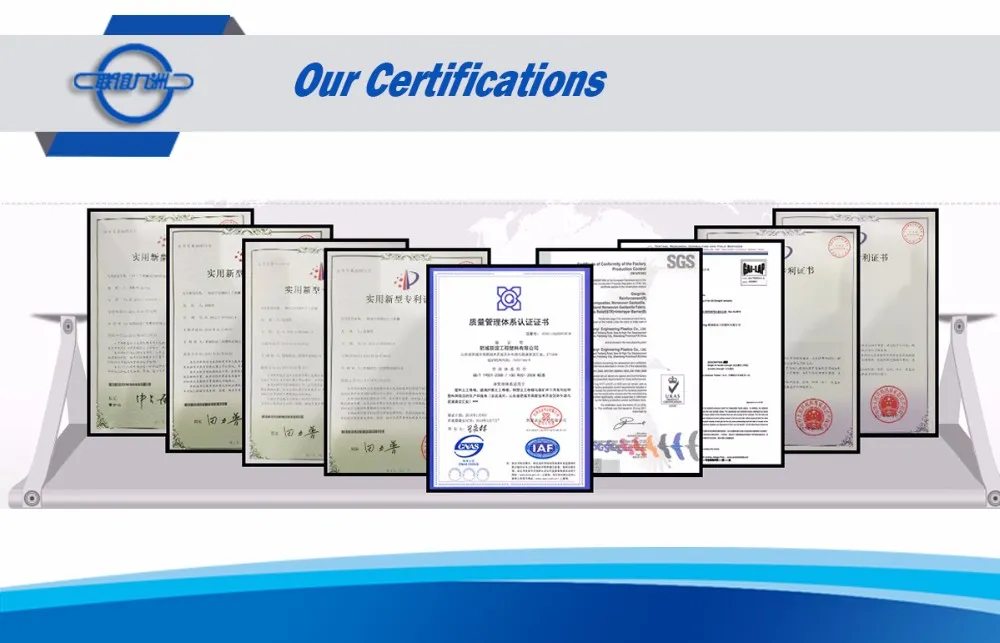
Our Certifications
ISO 9001 ,CE certificate and GB/T24001/ISO14001,GB/T24001/ISO14001
Our Factory
Feicheng Lianyi Engineering Plastics Co., Ltd has an excellent team with strong professional and technical capabilities, strong scientific management capabilities, and strong market development capabilities, talents who are good at operation and management, and a young, professional, energetic, pioneering and enterprising team. Enterprises bring infinite vitality. We attaches great importance to product promotion and brand building, and has established a wide range of win-win cooperation relationships.
Ultimate FAQ Guide to HDPE Geonet
We're known as one of the most professional hdpe geonet manufacturers and suppliers in China, featured by quality products and good service. Please feel free to buy hdpe geonet at competitive price from our factory.
Two Dimensional HDPE Geonet, Three Dimensional HDPE Geonet, Triplanar Geonet