

Hey there! As a supplier of BX Polypropylene Grid, I've often been asked how it stacks up against geotextiles. So, let's dive right in and have a chat about the differences, advantages, and when you might want to choose one over the other.
What Are BX Polypropylene Grid and Geotextiles?
First things first, let's get a clear idea of what we're talking about. BX Polypropylene Grid is a type of Plastic Geogrid made from polypropylene. It's a mesh - like structure that comes in different shapes and sizes. The polypropylene material gives it strength and durability, and it's designed to provide reinforcement to soil, roads, and other civil engineering structures.
On the other hand, geotextiles are permeable fabrics made from synthetic fibers. They can be woven or non - woven and are used in a variety of applications, mainly for filtration, separation, and drainage in soil - related projects.
Strength and Reinforcement
One of the main areas where BX Polypropylene Grid really shines is in its reinforcement capabilities. The grid structure interlocks with the soil particles, creating a composite system that can withstand higher loads. For example, when building a road, a PP Plastic Biaxial Geogrid can distribute the load more evenly over a larger area, reducing the stress on the underlying soil. This means less rutting and cracking over time, which is a huge plus for long - term road performance.
Geotextiles, while they do offer some reinforcement, are not as effective as BX Polypropylene Grid in this regard. They are more focused on separation and filtration. For instance, in a landfill, a geotextile can separate the waste from the underlying soil, preventing contamination. But if you need to build a large - scale retaining wall or a heavy - traffic road, the grid is likely to be a better choice.
Installation
When it comes to installation, both BX Polypropylene Grid and geotextiles are relatively easy to work with. However, there are some differences.
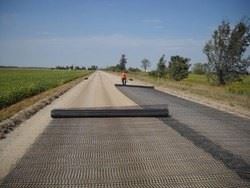
The grid is usually laid out in a flat, continuous manner over the prepared soil surface. It can be secured with pins or staples at the edges and intersections. Because of its rigid structure, it's less likely to get wrinkled or damaged during installation. You can quickly cover a large area with the grid, which is great for big projects.
Geotextiles, on the other hand, need to be handled more carefully. They are more flexible and can easily get caught on sharp objects or wind up during installation. You also need to make sure they are properly tensioned to avoid bunching up. In some cases, extra care is needed to ensure that the geotextile maintains its shape and function during the backfilling process.
Cost - Effectiveness
Cost is always a big factor in any project. In general, BX Polypropylene Grid can be more cost - effective in the long run, especially for projects that require high - strength reinforcement. Although the initial cost of the grid might be slightly higher than that of geotextiles, the reduced maintenance and longer lifespan can offset this.
For example, if you're building a parking lot, using a Geomalla Biaxial can save you money in the long term. You'll have fewer potholes and repairs, which means less downtime and lower overall costs. Geotextiles are more cost - effective for smaller projects or those where separation and filtration are the main requirements.
Durability
BX Polypropylene Grid is known for its excellent durability. The polypropylene material is resistant to UV rays, chemicals, and biological degradation. This means it can last for decades in harsh environmental conditions. Whether it's exposed to the sun, rain, or corrosive substances, the grid will maintain its strength and integrity.
Geotextiles, while they are also durable, might not last as long as the grid in certain situations. The fibers in geotextiles can be damaged by abrasion or chemical exposure over time. For projects that require a long - term solution, especially in aggressive environments, the grid is a more reliable option.
Environmental Impact
In terms of environmental impact, both products have their pros and cons. BX Polypropylene Grid is made from plastic, which might raise some environmental concerns. However, the long - term benefits of using the grid, such as reduced soil erosion and lower maintenance requirements, can have a positive impact on the environment.
Geotextiles are often made from synthetic fibers, but they are also recyclable in some cases. They can help with soil conservation and prevent sediment runoff, which is good for the environment. When choosing between the two, it's important to consider the specific environmental requirements of your project.
When to Choose BX Polypropylene Grid or Geotextiles
So, when should you choose BX Polypropylene Grid, and when should you go for geotextiles?
If you're working on a project that requires high - strength reinforcement, such as building a large - scale embankment, a retaining wall, or a heavy - traffic road, BX Polypropylene Grid is the way to go. Its ability to distribute loads and interlock with soil particles makes it ideal for these applications.
On the other hand, if your project mainly needs separation, filtration, or drainage, like in a small - scale garden project or a landfill liner, geotextiles are a better choice. They can effectively separate different soil layers and allow water to pass through while preventing soil mixing.
Conclusion
In conclusion, BX Polypropylene Grid and geotextiles both have their unique features and applications. As a supplier, I've seen firsthand how each product can make a difference in various projects. Whether you need the high - strength reinforcement of the grid or the separation and filtration capabilities of geotextiles, there's a solution for you.
If you're interested in learning more about BX Polypropylene Grid or need help deciding which product is right for your project, feel free to reach out. We're here to assist you with all your geosynthetic needs and help you make the best choice for your project. Let's start a conversation and see how we can work together!

References
- Koerner, R. M. (2012). Designing with Geosynthetics. Pearson.
- Giroud, J. P., & Bonaparte, R. (1989). Geotextile design for soil separation. Journal of Geotechnical Engineering, 115(10), 1418 - 1436.
- Madhavi Latha, G., & Somwanshi, P. R. (2011). Performance of reinforced soil structures using biaxial geogrids. Geotextiles and Geomembranes, 29(3), 215 - 223.