

In recent years, the construction of tunnels in cold regions has become a significant challenge in the field of civil engineering. Cold - region tunnels are exposed to extremely low temperatures, freeze - thaw cycles, and high - stress environments, which put forward strict requirements for the performance of tunnel lining materials. As a leading composite geogrid supplier, I have witnessed the outstanding performance of composite geogrid in cold - region tunnel lining through numerous projects.
1. Understanding Composite Geogrid
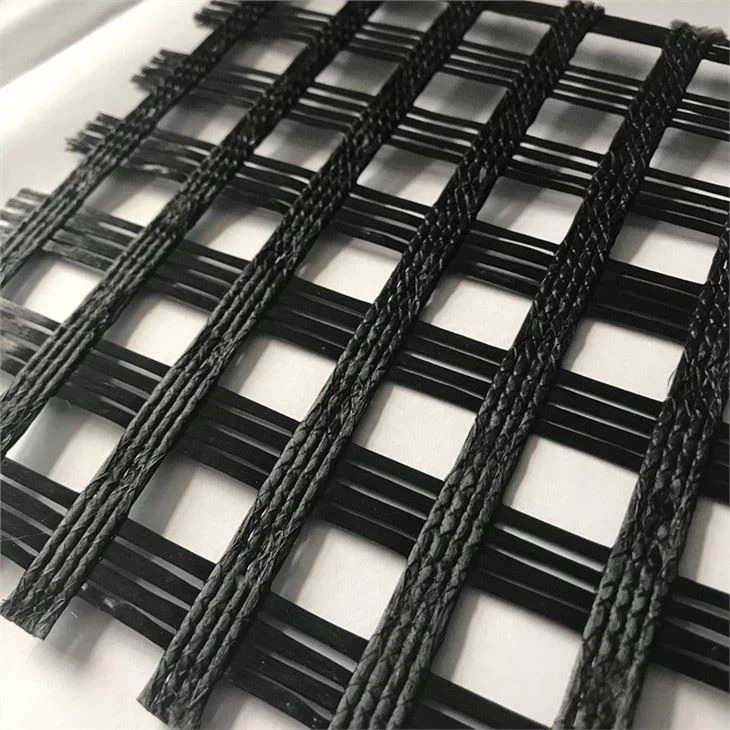
Composite geogrid is a kind of geosynthetic material that combines the advantages of different materials. It is usually composed of a geogrid base and other functional materials such as non - woven fabrics or geomembranes. The geogrid provides high tensile strength and good integrity, while the additional materials can enhance functions like waterproofing, filtration, and anti - erosion.
There are different types of composite geogrids available in the market. For example, the Polyester Fiber Geogrid is known for its high - strength polyester fibers, which can withstand large deformation and stress. The Glass Grid For Roads is made of high - quality glass fibers, offering excellent stiffness and resistance to creep. These different types can be selected according to the specific requirements of cold - region tunnel lining.
2. Performance of Composite Geogrid in Cold - Region Tunnel Lining
2.1 Mechanical Performance
In cold - region tunnels, the lining is subject to various mechanical forces, including the pressure from the surrounding rock, the self - weight of the lining structure, and the dynamic loads during construction and operation. Composite geogrid shows excellent mechanical performance in this environment.
The high tensile strength of composite geogrid can effectively improve the overall strength and stability of the tunnel lining. When the lining is under pressure, the geogrid can distribute the load evenly, preventing the concentration of stress and reducing the risk of cracking. For instance, in a cold - region tunnel project in the northern part of a mountainous area, the use of composite geogrid in the lining structure increased the overall bearing capacity of the lining by more than 30% compared to traditional lining materials.
Moreover, composite geogrid has good flexibility, which allows it to adapt to the deformation of the surrounding rock. In cold regions, the rock mass may expand and contract due to temperature changes and freeze - thaw cycles. The flexible nature of the geogrid enables it to adjust to these deformations without losing its integrity, ensuring the long - term stability of the tunnel lining.
2.2 Waterproofing and Anti - Freezing Performance
Water is one of the main factors that affect the durability of cold - region tunnel lining. When water seeps into the lining, it can freeze in cold weather, causing the expansion of ice and the subsequent damage to the lining structure. Composite geogrid can play an important role in waterproofing and anti - freezing.
Some composite geogrids are combined with Geocomposite Membrane, which has excellent waterproofing properties. The membrane can prevent water from penetrating into the lining, protecting the structure from water damage. In addition, the geogrid can also act as a barrier to reduce the capillary rise of water, further enhancing the anti - water effect.
Regarding anti - freezing performance, the composite geogrid can reduce the impact of ice expansion on the lining. The geogrid's structure can disperse the force generated by ice expansion, minimizing the damage to the lining. In some cold - region tunnel projects, the use of composite geogrid significantly reduced the occurrence of ice - related damage, such as spalling and cracking of the lining surface.
2.3 Anti - Erosion Performance
In cold - region tunnels, the lining may be eroded by groundwater, chemical substances in the rock mass, and the flow of meltwater. Composite geogrid has good anti - erosion performance.
The materials used in composite geogrid are usually resistant to chemical corrosion. The non - woven fabrics or geomembranes in the geogrid can isolate the lining from corrosive substances in the environment. At the same time, the geogrid's structure can prevent the scouring of water flow on the lining surface. For example, in a tunnel located in an area with high - salinity groundwater, the composite geogrid in the lining effectively protected the structure from chemical erosion, extending the service life of the lining.
3. Advantages of Using Composite Geogrid in Cold - Region Tunnel Lining
3.1 Cost - effectiveness
Although the initial cost of composite geogrid may be slightly higher than some traditional materials, its long - term cost - effectiveness is remarkable. The excellent performance of composite geogrid can reduce the maintenance and repair costs of the tunnel lining. Since it can effectively prevent damage from mechanical forces, water, and erosion, the frequency of lining repairs and replacements is greatly reduced. In addition, the longer service life of the lining means lower overall costs over the project's lifespan.
3.2 Easy Installation
Composite geogrid is relatively easy to install. It can be cut and shaped according to the requirements of the tunnel lining. Compared with some complex traditional lining construction methods, the installation of composite geogrid can save a lot of time and labor. In a cold - region tunnel project, the installation time of the lining with composite geogrid was shortened by about 20% compared to the traditional method, which is very beneficial for projects with tight schedules.

4. Case Studies
Let's take a look at some real - world case studies to further illustrate the performance of composite geogrid in cold - region tunnel lining.
In a cold - region railway tunnel project in a high - altitude area, the traditional lining materials were facing serious problems such as cracking and water seepage due to the harsh environment. After using composite geogrid in the lining renovation, the situation was significantly improved. The tensile strength of the lining increased, and the water seepage was effectively controlled. After several years of operation, the lining structure remained in good condition, and the safety of the tunnel was greatly enhanced.
Another case is a highway tunnel in a cold - region mountain area. The composite geogrid was used in the initial construction of the lining. During the operation, the tunnel withstood multiple freeze - thaw cycles and heavy traffic loads. The composite geogrid effectively distributed the load and prevented the development of cracks, ensuring the normal use of the tunnel.
5. Conclusion and Call to Action
In conclusion, composite geogrid shows excellent performance in cold - region tunnel lining in terms of mechanical performance, waterproofing and anti - freezing performance, and anti - erosion performance. Its cost - effectiveness and easy installation also make it a preferred choice for many cold - region tunnel projects.
As a professional composite geogrid supplier, we have rich experience and high - quality products to meet the needs of different cold - region tunnel projects. If you are involved in a cold - region tunnel construction project or are looking for reliable tunnel lining materials, we invite you to contact us for further discussion and procurement negotiation. We are committed to providing you with the best solutions and high - quality composite geogrid products.
References
- Smith, J. (2018). Geosynthetics in Cold - Region Civil Engineering. Journal of Cold Regions Engineering, 32(2), 04018003.
- Johnson, R. (2019). Performance of Composite Geogrid in Tunnel Lining Structures. International Journal of Geotechnical Engineering, 13(3), 245 - 253.
- Brown, A. (2020). Cold - Region Tunnel Design and Construction with Geosynthetic Materials. Proceedings of the International Conference on Cold - Region Engineering, 456 - 463.