

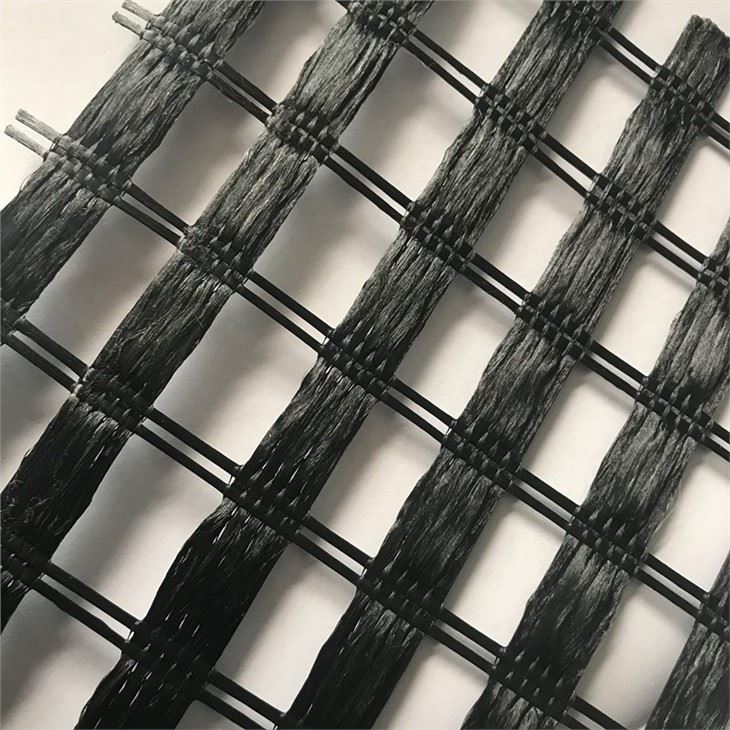
As a PES Geogrid supplier, I've witnessed firsthand the pivotal role these geogrids play in various construction and engineering projects. PES Geogrid, known for its high strength, durability, and excellent chemical resistance, is widely used in soil reinforcement, road construction, and slope stabilization. However, to ensure its long - term performance and effectiveness, proper maintenance is essential. In this blog, I'll share some practical maintenance methods for PES Geogrid.
1. Storage Maintenance
Proper storage is the first step in maintaining the quality of PES Geogrid. When the geogrids are not in use, they should be stored in a dry and ventilated environment. Exposure to moisture can lead to the growth of mold and mildew, which may compromise the integrity of the geogrid over time.
It is recommended to store the PES Geogrid in a warehouse or a covered area. If outdoor storage is unavoidable, use waterproof covers to protect the geogrids from rain and snow. Additionally, the storage area should be away from direct sunlight. Prolonged exposure to ultraviolet (UV) rays can cause the degradation of the polymer material in the geogrid, reducing its strength and performance.
Stacking the geogrids correctly is also crucial. They should be stacked in an orderly manner to prevent deformation. Avoid over - stacking, as excessive weight on the bottom layers can cause the geogrids to become misshapen. If possible, use pallets to elevate the geogrids from the ground, which helps in better air circulation and reduces the risk of moisture accumulation.
2. Installation - Related Maintenance
During the installation process, certain precautions can be taken to ensure the long - term maintenance of PES Geogrid. First, the installation site should be properly prepared. Remove any sharp objects, rocks, or debris from the area where the geogrid will be laid. These objects can puncture or damage the geogrid during installation or subsequent use.
When unrolling the geogrid, handle it with care. Avoid dragging it across rough surfaces, as this can cause abrasion. Ensure that the geogrid is laid flat and without wrinkles. Wrinkles can create stress concentrations in the geogrid, which may lead to premature failure.
Proper connection of the geogrid panels is also essential. Use appropriate connection methods, such as stitching or using special connectors, as recommended by the manufacturer. Loose connections can result in the separation of the geogrid panels, reducing its overall effectiveness in soil reinforcement.
3. In - Use Maintenance
Once the PES Geogrid is installed and in use, regular inspections are necessary. Inspect the geogrid periodically to check for any signs of damage, such as tears, cuts, or holes. If any damage is detected, it should be repaired immediately. Small damages can often be repaired using patches or adhesives specifically designed for the geogrid material.
In areas where the geogrid is exposed to heavy traffic or mechanical stress, pay special attention to the areas around load - bearing points. These areas are more likely to experience wear and tear. Reinforcement measures can be taken if necessary, such as adding additional layers of geogrid or using protective covers.
In environments where the geogrid is exposed to chemicals, such as in industrial areas or near waste disposal sites, monitor the chemical exposure levels. Some chemicals can react with the geogrid material, causing corrosion or degradation. If high - risk chemical exposure is detected, consider using a geogrid with a chemical - resistant coating. For example, our Woven Polyester Geogrid comes with a PVC or SBR coating, which provides enhanced chemical resistance.
4. Environmental Considerations
The environment in which the PES Geogrid is used has a significant impact on its maintenance. In areas with high humidity, there is a greater risk of corrosion and mold growth. In such cases, additional ventilation or dehumidification measures may be required. For example, in underground applications, installing ventilation systems can help reduce the humidity levels around the geogrid.
In cold climates, the geogrid material may become brittle. During winter, take precautions to prevent damage caused by freezing and thawing cycles. Insulate the geogrid if necessary, or use a geogrid material that is specifically designed to withstand low - temperature conditions.
In areas with high seismic activity, the geogrid should be designed and installed to withstand seismic forces. Reinforce the connections and ensure that the geogrid is properly anchored to the soil to prevent displacement during an earthquake.

5. Compatibility with Other Materials
When using PES Geogrid in combination with other materials, such as soil, concrete, or asphalt, ensure their compatibility. Incompatible materials can cause chemical reactions or physical damage to the geogrid. For example, some types of soil may contain acidic or alkaline substances that can react with the geogrid material. Conduct soil tests before installation to determine the soil properties and select the appropriate geogrid accordingly.
When using the geogrid in road construction, ensure that the asphalt or concrete overlay is applied correctly. Improper application can cause stress on the geogrid, leading to damage. Our PET Geogrid For Road Construction is specifically designed to be compatible with road - building materials, providing excellent reinforcement and long - term performance.
6. Record - Keeping
Maintaining detailed records of the PES Geogrid installation, maintenance, and inspection is crucial. Record the installation date, location, installation method, and any special considerations. Keep track of all inspections, including the date, findings, and actions taken. This information can be used to evaluate the performance of the geogrid over time and to plan future maintenance activities.
In addition, keep records of any repairs or replacements. This helps in understanding the frequency of damage and the effectiveness of the repair methods. It also provides valuable information for warranty claims, if applicable.
Conclusion
Proper maintenance of PES Geogrid is essential for its long - term performance and cost - effectiveness. By following the above - mentioned maintenance methods, including proper storage, careful installation, regular inspections, considering environmental factors, ensuring material compatibility, and keeping detailed records, you can extend the service life of the geogrid and maximize its benefits.
If you are in need of high - quality PES Geogrid or have any questions about its maintenance, we are here to help. Our Polyester Biaxial Geogrid is a reliable choice for a wide range of applications. Contact us for more information and to discuss your specific requirements. We look forward to the opportunity to work with you and provide you with the best geogrid solutions.
References
- "Geosynthetics in Civil Engineering" by Robert M. Koerner
- Industry standards and guidelines related to geogrid installation and maintenance.