

Geogrids are essential materials in geotechnical engineering, playing a crucial role in soil reinforcement, stabilization, and erosion control. Among the various types of geogrids available in the market, polyester fiber geogrid and glass fiber geogrid are two popular choices. As a supplier of polyester fiber geogrids, I will provide a detailed comparison between these two types of geogrids to help you make an informed decision for your projects.
Physical and Mechanical Properties
Tensile Strength
Polyester fiber geogrids are known for their high tensile strength. The polyester material is engineered to withstand significant pulling forces, making it suitable for applications where large loads need to be supported. For instance, in road construction, polyester fiber geogrids can reinforce the sub - base and base layers, preventing the formation of cracks and rutting. Our Polyester Biaxial Geogrid offers excellent biaxial tensile strength, which means it can resist forces in two directions, providing comprehensive reinforcement.
On the other hand, glass fiber geogrids also possess high tensile strength. Glass fibers are inherently strong, and when made into geogrids, they can offer high - modulus reinforcement. However, glass fibers are more brittle compared to polyester fibers. In some cases where the soil experiences large deformations, glass fiber geogrids may be more prone to breakage, while polyester fiber geogrids can better accommodate these deformations without losing their integrity.
Elongation
Polyester fiber geogrids typically have a relatively high elongation at break. This property allows them to stretch to a certain extent before failure. In applications where the soil is likely to settle or deform over time, such as in embankment construction, the ability of polyester fiber geogrids to elongate can help maintain the integrity of the reinforcement system. Our Polyester Geogrid For Construction is designed to have an appropriate elongation rate to adapt to different construction conditions.
Glass fiber geogrids, in contrast, have a very low elongation at break. They are stiffer and do not stretch as much as polyester fiber geogrids. While this stiffness can be an advantage in some applications where precise control of deformation is required, it can also be a limitation in situations where the soil undergoes significant movement.
Chemical Resistance
Polyester fiber geogrids have good chemical resistance. They are resistant to many common chemicals found in soil, such as acids and alkalis. This makes them suitable for use in a wide range of soil environments, including those with slightly acidic or alkaline conditions. Polyester fibers are also resistant to biological degradation, ensuring the long - term performance of the geogrid in the soil.
Glass fiber geogrids are also chemically resistant, but they may be more susceptible to attack by certain chemicals, especially strong alkalis. In alkaline soil environments, the glass fibers may experience a reduction in strength over time, which can affect the overall performance of the geogrid.
Installation and Handling
Ease of Installation
Polyester fiber geogrids are relatively easy to install. They are lightweight, which makes them easy to handle on the construction site. The flexibility of polyester fiber geogrids allows them to be easily unrolled and laid on the soil surface. They can also be cut to the required size using simple tools, such as scissors or a utility knife. This ease of installation can save time and labor costs during construction.
Glass fiber geogrids, due to their stiffness, may be more difficult to handle during installation. They are more prone to kinking and folding, which can affect their performance. Special care needs to be taken when unrolling and laying glass fiber geogrids to ensure that they are properly aligned and flat on the soil surface.
Compatibility with Construction Equipment
Polyester fiber geogrids are compatible with a wide range of construction equipment. They can be used in conjunction with compactors, graders, and other machinery without causing damage to the geogrid. The flexibility of polyester fiber geogrids allows them to conform to the shape of the soil surface during compaction, ensuring good contact between the geogrid and the soil.
Glass fiber geogrids may be more sensitive to damage from construction equipment. The stiffness of the glass fibers can make them more likely to break if they are subjected to excessive pressure or impact from machinery. This requires more careful operation of construction equipment when using glass fiber geogrids.
Cost - effectiveness
Initial Cost
In general, polyester fiber geogrids are more cost - effective in terms of initial cost. The raw materials for polyester fiber geogrids are relatively inexpensive, and the manufacturing process is also less complex compared to glass fiber geogrids. This results in a lower price for polyester fiber geogrids, making them an attractive option for projects with budget constraints.
Glass fiber geogrids are usually more expensive due to the higher cost of glass fibers and the more complex manufacturing process. However, in some high - performance applications where the unique properties of glass fiber geogrids are required, the higher cost may be justified.
Long - term Cost
When considering the long - term cost, polyester fiber geogrids also have an advantage. Their good chemical resistance and ability to accommodate soil deformation mean that they are less likely to need replacement over time. This can result in lower maintenance and replacement costs in the long run.
Glass fiber geogrids, although they may offer high - performance reinforcement initially, may require more frequent replacement in some soil environments due to potential chemical degradation or breakage caused by soil movement. This can increase the long - term cost of the project.
Applications
Road Construction
In road construction, both polyester fiber geogrids and glass fiber geogrids can be used for reinforcement. Polyester fiber geogrids are commonly used in the sub - base and base layers of roads. Their ability to accommodate soil deformation and their good chemical resistance make them suitable for withstanding the traffic loads and environmental conditions. Our PET Biaxial Geogrid is a popular choice for road construction projects.
Glass fiber geogrids are often used in asphalt overlays. Their high - modulus and low - elongation properties can help control reflective cracking in asphalt pavements. However, in some cases where the roadbed experiences significant settlement, polyester fiber geogrids may be a better choice.
Embankment and Slope Stabilization
For embankment and slope stabilization, polyester fiber geogrids are widely used. Their high elongation at break allows them to adapt to the settlement and movement of the embankment or slope. The biaxial tensile strength of polyester fiber geogrids provides effective reinforcement in both horizontal directions, preventing soil erosion and slope failure.
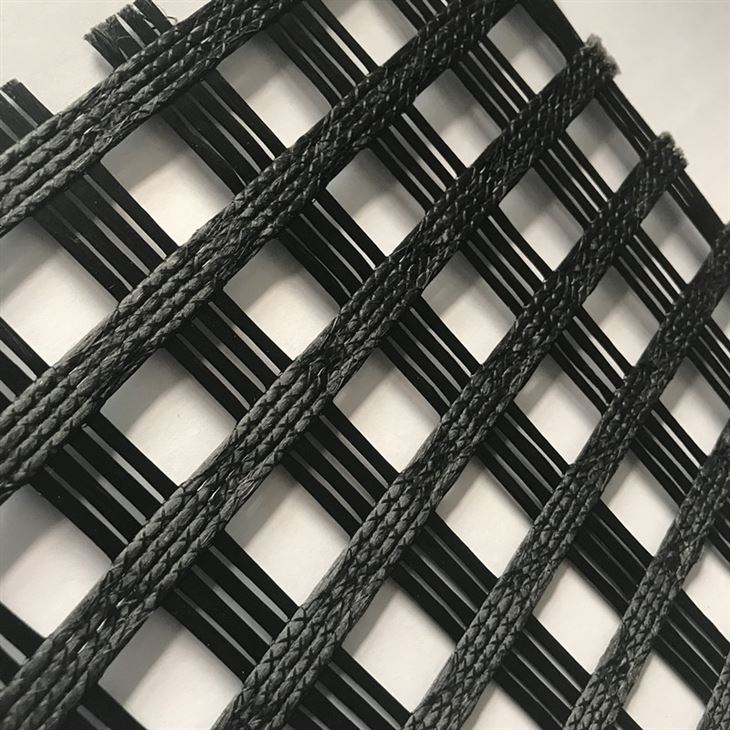

Glass fiber geogrids can also be used for slope stabilization, but their low elongation may limit their effectiveness in situations where the slope undergoes large - scale movement.
Conclusion
In conclusion, both polyester fiber geogrids and glass fiber geogrids have their own advantages and disadvantages. Polyester fiber geogrids offer high tensile strength, good elongation, excellent chemical resistance, ease of installation, and cost - effectiveness. They are suitable for a wide range of applications, especially those where soil deformation is expected and long - term performance is required.
Glass fiber geogrids, on the other hand, provide high - modulus reinforcement and low elongation, which can be beneficial in applications where precise control of deformation is needed. However, they are more brittle, more difficult to install, and generally more expensive.
As a supplier of polyester fiber geogrids, I believe that polyester fiber geogrids are a reliable and cost - effective choice for many geotechnical engineering projects. If you are interested in learning more about our polyester fiber geogrids or need help in selecting the right geogrid for your project, please feel free to contact us for further discussion and procurement negotiation.
References
- Koerner, R. M. (2012). Designing with Geosynthetics. Wiley.
- ASTM International. (2019). Standard Test Methods for Geotextiles and Geotextile - Related Products. ASTM.