

Hey there! As a supplier of HDPE Uniaxial Geogrid, I often get asked whether this product is suitable for coastal engineering. Well, let's dive right into it and explore the ins and outs of using HDPE Uniaxial Geogrid in coastal projects.
First off, let's talk a bit about what HDPE Uniaxial Geogrid is. HDPE stands for High - Density Polyethylene, a strong and durable plastic material. The "uniaxial" part means it has strength mainly in one direction. This type of geogrid is made by extruding HDPE and then stretching it to create a grid - like structure. It's known for its high tensile strength, chemical resistance, and long - term durability.
When it comes to coastal engineering, there are several unique challenges. Coastal areas are constantly exposed to harsh environmental conditions. Saltwater corrosion is a major concern. The high salt content in seawater can corrode many materials over time, reducing their strength and lifespan. Waves and tides also exert significant forces on coastal structures. Erosion is another big issue. The constant movement of water can wash away soil and sand, undermining the stability of coastal embankments, beaches, and other structures.
So, how does HDPE Uniaxial Geogrid stack up against these challenges?
One of the key advantages of HDPE Uniaxial Geogrid is its excellent chemical resistance. Saltwater has a corrosive effect on many metals and some other materials. But HDPE is highly resistant to chemical attack, including the salts in seawater. This means that when used in coastal engineering, the geogrid won't deteriorate easily due to saltwater exposure. It can maintain its strength and integrity over a long period, providing long - term stability to coastal structures. You can learn more about our HDPE UX Geogrid which offers great chemical resistance features.
In terms of strength, HDPE Uniaxial Geogrid has high tensile strength in the direction of its orientation. This is crucial in coastal engineering, especially when it comes to stabilizing soil and preventing erosion. When the geogrid is installed in the soil, it can distribute the forces exerted by waves and tides more evenly. It helps to hold the soil in place, reducing the risk of soil displacement and erosion. For example, in coastal embankments, the geogrid can reinforce the soil, making the embankment more resistant to the forces of the waves. Our Extruded Polyethylene Geogrid is a great option with high - strength properties for such applications.
Another benefit is its flexibility. HDPE Uniaxial Geogrid can conform to the shape of the soil or the structure it's being used with. In coastal areas, the terrain can be irregular, and the geogrid's ability to adapt to different shapes and contours makes it easier to install. It can be used in various coastal engineering projects, from beach nourishment to the construction of seawalls.
However, there are also some considerations. While HDPE is generally resistant to UV radiation, long - term exposure to sunlight in coastal areas can cause some degradation over time. But this can be mitigated by using geogrids with appropriate UV stabilizers. Also, the installation process needs to be done correctly. If the geogrid is not installed properly, it may not perform as expected. It's important to follow the manufacturer's guidelines and best practices during installation.
Let's look at some real - world examples. In many coastal protection projects around the world, HDPE Uniaxial Geogrid has been successfully used. For instance, in some beach restoration projects, the geogrid has been used to hold the sand in place. It's installed beneath the sand layer, and it helps to prevent the sand from being washed away by the waves. This not only helps to maintain the width and height of the beach but also protects the adjacent coastal properties.
In seawall construction, the geogrid can be used to reinforce the soil behind the seawall. By distributing the forces from the waves more evenly, it reduces the stress on the seawall structure, increasing its lifespan and stability.
Overall, I'd say that HDPE Uniaxial Geogrid is a very suitable material for coastal engineering. Its chemical resistance, high tensile strength, and flexibility make it a great choice to tackle the challenges faced in coastal areas.

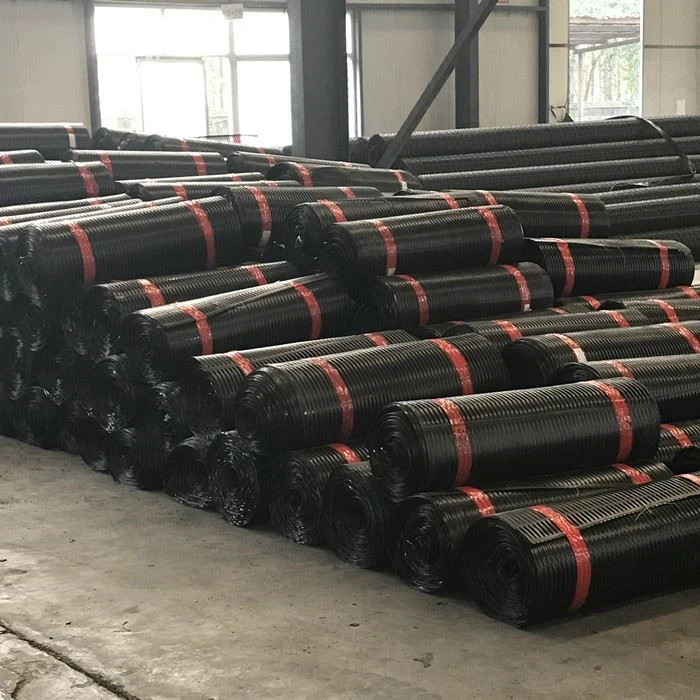
If you're involved in a coastal engineering project and are looking for a reliable and effective solution, I encourage you to consider our HDPE Uniaxial Geogrid products. We have a wide range of options to meet different project requirements. Whether you need a geogrid with high - strength for a large - scale seawall project or a more flexible one for a beach nourishment project, we've got you covered.
If you're interested in learning more about our products or have any questions regarding the suitability of HDPE Uniaxial Geogrid for your specific coastal engineering project, don't hesitate to get in touch. We're here to provide you with all the information you need and help you make the right choice.
References:
- Geosynthetics in Coastal Engineering: Design and Construction, [Author's Name], [Publication Year]
- Handbook of Geosynthetics, [Author's Name], [Publication Year]