

As a supplier of PP Uniaxial Geogrid, I've witnessed firsthand how the price of this essential geotechnical material can fluctuate significantly based on its quality. In this blog post, I'll delve into the factors that influence the quality of PP Uniaxial Geogrid and how they impact its price.
Understanding PP Uniaxial Geogrid
PP Uniaxial Geogrid is a high - strength geosynthetic material made from polypropylene (PP). It is primarily used in civil engineering projects for soil reinforcement, slope stabilization, and road construction. The uniaxial design means that it has high strength in one direction, making it ideal for applications where forces are predominantly applied in a single axis. There are different types of PP Uniaxial Geogrid available in the market, such as Extruded Polypropylene Geogrid, PP Plastic Uniaxial Geogrid, and PP UX Geogrid.
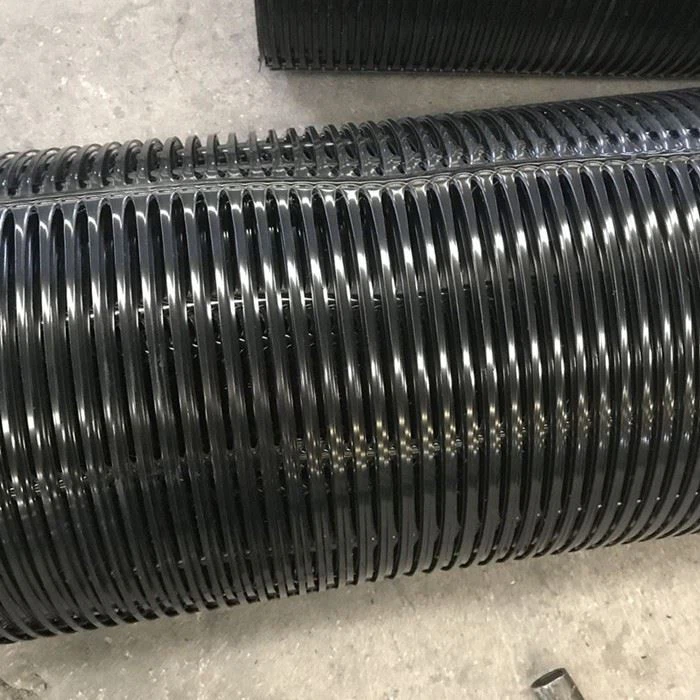

Factors Affecting the Quality of PP Uniaxial Geogrid
Raw Material Quality
The quality of the raw polypropylene used in manufacturing PP Uniaxial Geogrid is a fundamental factor. High - grade polypropylene resins have better chemical stability, higher tensile strength, and greater resistance to environmental factors such as UV radiation and chemical corrosion. For instance, virgin polypropylene resins offer superior performance compared to recycled ones. Virgin resins have a more consistent molecular structure, which translates into more reliable mechanical properties. When manufacturers use high - quality raw materials, the cost of production increases, and this is reflected in the price of the final product.
Manufacturing Process
The manufacturing process also plays a crucial role in determining the quality of PP Uniaxial Geogrid. Advanced extrusion and stretching techniques can produce geogrids with more uniform apertures, better alignment of polymer chains, and higher tensile strength. Precision in the manufacturing process ensures that the geogrid meets strict quality standards. For example, a well - controlled stretching process can enhance the orientation of the polymer molecules, resulting in improved mechanical properties. However, these advanced manufacturing techniques require sophisticated equipment and skilled labor, which drive up the production cost and, consequently, the price of the geogrid.
Tensile Strength
Tensile strength is one of the most important quality indicators for PP Uniaxial Geogrid. Geogrids with higher tensile strength can withstand greater loads and are more suitable for demanding applications such as large - scale road construction or high - slope stabilization projects. To achieve higher tensile strength, manufacturers may need to use more raw materials or employ special manufacturing processes. As a result, geogrids with higher tensile strength are generally more expensive.
Aperture Size and Shape
The aperture size and shape of PP Uniaxial Geogrid affect its interaction with the soil. Optimal aperture size allows for better soil interlock, which enhances the reinforcement effect. A well - designed aperture shape can also improve the distribution of stress within the soil - geogrid system. Manufacturers need to carefully control the aperture size and shape during the production process, which may involve additional quality control measures and specialized tooling. This attention to detail increases the production cost and the price of the geogrid.
Resistance to Environmental Factors
PP Uniaxial Geogrid is often exposed to harsh environmental conditions, such as sunlight, moisture, and chemicals. Geogrids with better resistance to UV radiation, oxidation, and chemical corrosion have a longer service life. To enhance environmental resistance, manufacturers may add stabilizers and additives to the polypropylene resin. These additives increase the cost of the raw materials and the overall production cost, leading to a higher price for the geogrid.
How Quality Influences Price
Low - Quality Geogrids
Low - quality PP Uniaxial Geogrids are typically made from inferior raw materials, such as recycled polypropylene with inconsistent properties. They may be produced using outdated manufacturing processes that result in uneven apertures and lower tensile strength. These geogrids are more likely to fail under stress and have a shorter service life. Due to their lower production cost, they are available at a relatively low price. However, the long - term cost of using low - quality geogrids can be high, as they may require more frequent replacement and maintenance.
Medium - Quality Geogrids
Medium - quality geogrids strike a balance between cost and performance. They are usually made from a combination of virgin and recycled polypropylene or use standard manufacturing processes. These geogrids have moderate tensile strength and reasonable resistance to environmental factors. The price of medium - quality geogrids is higher than that of low - quality ones but lower than high - quality geogrids. They are suitable for less demanding applications where the budget is a concern.
High - Quality Geogrids
High - quality PP Uniaxial Geogrids are made from high - grade virgin polypropylene and produced using advanced manufacturing techniques. They have high tensile strength, uniform aperture size and shape, and excellent resistance to environmental factors. These geogrids are designed to meet the most stringent quality standards and are suitable for critical applications such as major infrastructure projects. The high production cost associated with high - quality geogrids is reflected in their relatively high price. However, the long - term benefits, such as reduced maintenance and replacement costs, often justify the initial investment.
Case Studies
Road Construction Project
In a recent road construction project, two types of PP Uniaxial Geogrid were considered. A low - quality geogrid was priced at $X per square meter, while a high - quality geogrid cost $Y per square meter. The low - quality geogrid had a lower tensile strength and was made from recycled materials. The high - quality geogrid, on the other hand, was made from virgin polypropylene and had superior mechanical properties.
The project engineers initially opted for the low - quality geogrid to save on costs. However, within a few months of the road being opened to traffic, signs of pavement distress were observed. The low - quality geogrid was unable to withstand the traffic loads, and the road required extensive repairs. In contrast, if the high - quality geogrid had been used, the road would have had a longer service life and lower maintenance costs over the long term.
Slope Stabilization Project
In a slope stabilization project, a medium - quality PP Uniaxial Geogrid was used. The geogrid had a reasonable tensile strength and was able to provide adequate reinforcement for the slope. The project was completed within budget, and the slope has remained stable for several years. This shows that for less critical applications, medium - quality geogrids can offer a cost - effective solution.
Conclusion
The price of PP Uniaxial Geogrid varies significantly with its quality. Higher - quality geogrids, which are made from better raw materials, produced using advanced manufacturing processes, and have superior mechanical and environmental properties, are more expensive. However, the long - term benefits of using high - quality geogrids, such as reduced maintenance and replacement costs, often outweigh the initial investment.
When choosing a PP Uniaxial Geogrid, it is essential to consider the specific requirements of the project. For critical applications, investing in high - quality geogrids is a wise decision. For less demanding projects, medium - quality geogrids can provide a cost - effective solution. As a supplier, I am committed to providing customers with a range of PP Uniaxial Geogrid products of different qualities to meet their diverse needs. If you are interested in purchasing PP Uniaxial Geogrid or have any questions about our products, please feel free to contact us for more information and to start a procurement negotiation.
References
- ASTM D6637/D6637M - 18, Standard Specification for Geosynthetics Made from Oriented Polypropylene (PP) or High - Density Polyethylene (HDPE) for Soil Reinforcement.
- Koerner, R. M. (2012). Designing with Geosynthetics. Pearson.
- Greenwood, D. A., & Christopher, B. R. (2003). Geosynthetics in Civil Engineering. McGraw - Hill.