

Underground structures, such as tunnels, basements, and underground storage facilities, face numerous challenges related to soil stability and structural integrity. One innovative solution that has gained significant attention in recent years is the use of PP Uniaxial Geogrid. As a leading supplier of PP Plastic Uniaxial Geogrid, Extruded Polypropylene Geogrid, and PP UX Geogrid, I have witnessed firsthand the transformative impact of these geogrids on underground construction projects. In this blog post, I will explore how PP Uniaxial Geogrid enhances the structural integrity of underground structures and why it is a preferred choice for engineers and contractors.
Understanding PP Uniaxial Geogrid
PP Uniaxial Geogrid is a high-strength geosynthetic material made from polypropylene (PP). It is characterized by its uniaxial orientation, which means that it has high tensile strength in one direction. This unique property makes it ideal for applications where reinforcement is required in a specific direction, such as in soil stabilization and slope reinforcement.
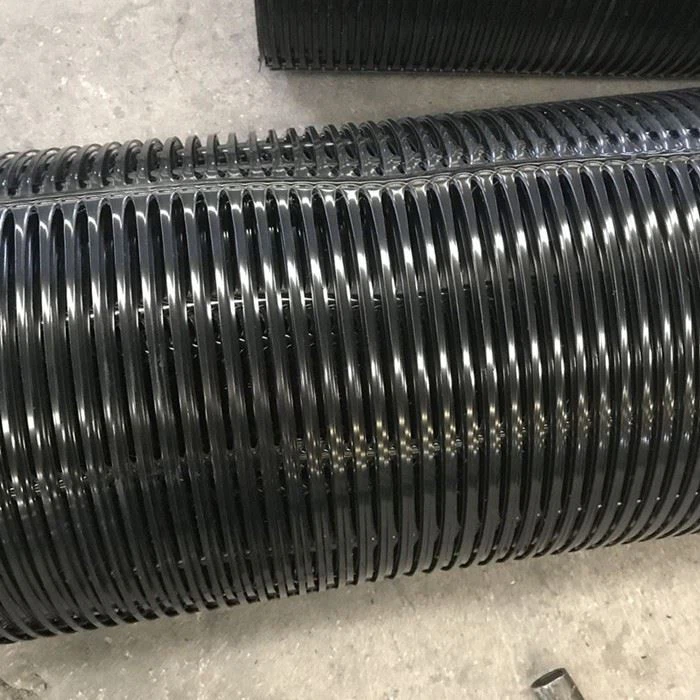
The manufacturing process of PP Uniaxial Geogrid involves extruding polypropylene resin into a sheet, which is then punched with a series of holes and stretched in one direction. This stretching process aligns the polymer molecules in the direction of the stretch, resulting in a material with high tensile strength and stiffness. The holes in the geogrid allow soil particles to interlock with the grid, providing additional reinforcement and stability.
Mechanisms of Reinforcement
PP Uniaxial Geogrid enhances the structural integrity of underground structures through several mechanisms:
Soil Reinforcement
One of the primary functions of PP Uniaxial Geogrid is to reinforce the soil surrounding underground structures. When installed in the soil, the geogrid acts as a tensile member, distributing the load over a larger area and reducing the stress on the soil. This helps to prevent soil movement and settlement, which can cause damage to underground structures.
The interlocking of soil particles with the geogrid also increases the shear strength of the soil, making it more resistant to sliding and failure. This is particularly important in areas with weak or unstable soil conditions, where the use of PP Uniaxial Geogrid can significantly improve the stability of the soil and reduce the risk of structural damage.
Load Distribution
PP Uniaxial Geogrid helps to distribute the load from underground structures more evenly over the soil. By providing a stable platform for the structure, the geogrid reduces the concentration of stress at the base of the structure, which can prevent differential settlement and cracking. This is especially important in areas with variable soil conditions or where the structure is subjected to heavy loads.
Slope Stabilization
In addition to soil reinforcement and load distribution, PP Uniaxial Geogrid can also be used for slope stabilization around underground structures. When installed on a slope, the geogrid provides additional support and prevents soil erosion and landslides. The high tensile strength of the geogrid helps to hold the soil in place, even on steep slopes, and reduces the risk of slope failure.
Applications in Underground Structures
PP Uniaxial Geogrid has a wide range of applications in underground structures, including:
Tunnels
Tunnels are subjected to high stresses and pressures from the surrounding soil and rock. PP Uniaxial Geogrid can be used to reinforce the tunnel lining and prevent soil movement and settlement. By providing additional support to the tunnel structure, the geogrid helps to ensure its long-term stability and durability.
Basements
Basements are often constructed in areas with poor soil conditions, which can lead to settlement and cracking. PP Uniaxial Geogrid can be installed beneath the basement floor to reinforce the soil and prevent differential settlement. This helps to maintain the structural integrity of the basement and reduces the risk of water leakage and damage.
Underground Storage Facilities
Underground storage facilities, such as tanks and silos, are subject to significant loads from the stored materials. PP Uniaxial Geogrid can be used to reinforce the soil beneath these facilities and distribute the load more evenly. This helps to prevent soil settlement and structural damage, ensuring the safe and efficient operation of the storage facilities.
Advantages of PP Uniaxial Geogrid
There are several advantages to using PP Uniaxial Geogrid in underground structures:
High Tensile Strength
PP Uniaxial Geogrid has high tensile strength, which allows it to withstand large loads and stresses. This makes it suitable for use in applications where high-strength reinforcement is required, such as in underground structures.
Chemical Resistance
Polypropylene is a chemically resistant material, which means that PP Uniaxial Geogrid is resistant to corrosion and degradation in harsh environments. This makes it ideal for use in underground structures, where it may be exposed to moisture, chemicals, and other contaminants.
Easy Installation
PP Uniaxial Geogrid is easy to install, which reduces labor costs and installation time. It can be installed using standard construction equipment and techniques, and it can be easily cut and shaped to fit the specific requirements of the project.
Cost-Effective
Compared to traditional methods of soil reinforcement, such as concrete retaining walls and piles, PP Uniaxial Geogrid is a cost-effective solution. It requires less material and labor, and it can be installed more quickly, which reduces overall project costs.
Case Studies
To illustrate the effectiveness of PP Uniaxial Geogrid in enhancing the structural integrity of underground structures, let's look at a few case studies:

Tunnel Reinforcement
In a major tunnel construction project, PP Uniaxial Geogrid was used to reinforce the soil surrounding the tunnel. The geogrid was installed in layers beneath the tunnel lining, providing additional support and preventing soil movement. As a result, the tunnel was able to withstand the high stresses and pressures from the surrounding soil, and there were no signs of settlement or cracking during the construction and operation of the tunnel.
Basement Stabilization
In a residential development project, PP Uniaxial Geogrid was used to stabilize the soil beneath the basements of several houses. The geogrid was installed in the foundation soil, and it helped to prevent differential settlement and cracking. The houses have been in use for several years, and there have been no issues with the structural integrity of the basements.
Underground Storage Facility Reinforcement
In an industrial project, PP Uniaxial Geogrid was used to reinforce the soil beneath an underground storage tank. The geogrid was installed in a grid pattern beneath the tank, providing additional support and distributing the load more evenly. This helped to prevent soil settlement and damage to the tank, ensuring the safe and efficient operation of the storage facility.
Conclusion
PP Uniaxial Geogrid is a versatile and effective solution for enhancing the structural integrity of underground structures. Its high tensile strength, chemical resistance, easy installation, and cost-effectiveness make it a preferred choice for engineers and contractors. By reinforcing the soil, distributing the load, and stabilizing slopes, PP Uniaxial Geogrid helps to prevent soil movement, settlement, and damage to underground structures, ensuring their long-term stability and durability.
If you are involved in an underground construction project and are looking for a reliable and cost-effective solution for soil reinforcement, I encourage you to consider PP Uniaxial Geogrid. As a leading supplier of PP Plastic Uniaxial Geogrid, Extruded Polypropylene Geogrid, and PP UX Geogrid, I am committed to providing high-quality products and excellent customer service. Contact me today to discuss your project requirements and learn more about how PP Uniaxial Geogrid can enhance the structural integrity of your underground structures.
References
- Koerner, R. M. (2012). Designing with Geosynthetics. Pearson.
- Bonaparte, R., & Daniel, D. E. (1996). Geosynthetics in Waste Containment. CRC Press.
- ASTM D6637/D6637M - 09(2017). Standard Specification for Geogrids for Soil Reinforcement.