

Yo, what's up everyone! I'm a supplier of PET Biaxial Geogrid, and today I wanna talk about how this amazing product performs in earthquake - prone areas.
First off, let's get into what PET Biaxial Geogrid is. It's made from high - strength polyester (PET) materials that are stretched in two directions during the manufacturing process. This biaxial stretching gives it excellent mechanical properties, making it a top - notch material for a variety of civil engineering projects.
The Basics of Earthquake - Prone Areas
Earthquake - prone areas are regions where the earth's crust is more active, and seismic events are more likely to occur. When an earthquake hits, the ground shakes, and this can cause a whole bunch of problems for infrastructure. Things like landslides, soil liquefaction, and settlement of structures can happen, which can lead to serious damage to roads, buildings, and other important facilities.
How PET Biaxial Geogrid Helps in Earthquake - Prone Areas
1. Soil Reinforcement
One of the main ways PET Biaxial Geogrid shines in earthquake - prone areas is through soil reinforcement. The geogrid can be placed within the soil layers, and it forms a stable structure with the soil. When an earthquake occurs, the geogrid helps to distribute the seismic forces more evenly across the soil mass.
Think of it like a safety net. The grid structure of the PET Biaxial Geogrid interlocks with the soil particles. This interlocking action increases the soil's shear strength, which means the soil is less likely to slide or deform during an earthquake. For example, in a slope along a mountain road in an earthquake - prone area, installing PET Biaxial Geogrid can prevent the soil from sliding down and blocking the road.
2. Reducing Soil Liquefaction
Soil liquefaction is a major problem during earthquakes. It happens when saturated soil loses its strength and behaves like a liquid due to the shaking. PET Biaxial Geogrid can play a crucial role in reducing soil liquefaction.
The geogrid restricts the movement of soil particles and helps to maintain the soil's structure. It provides lateral confinement to the soil, which reduces the pore water pressure build - up that leads to liquefaction. In areas where there are underground structures like basements or pipelines, using PET Biaxial Geogrid can protect these structures from the damage caused by soil liquefaction.
3. Improving the Stability of Roadbeds
Roads are vital in any area, but in earthquake - prone regions, their stability is even more critical. PET Biaxial Geogrid can be used in roadbed construction to enhance the road's ability to withstand seismic forces.
When the geogrid is placed in the roadbed, it distributes the load from the traffic and the seismic shaking more uniformly. This reduces the stress concentration on the road surface and the underlying soil layers. As a result, the road is less likely to develop cracks, potholes, or sinkholes during an earthquake. It can also prevent the lateral displacement of the roadbed, which could otherwise lead to the road collapsing.
Real - World Examples
There have been several real - world applications of PET Biaxial Geogrid in earthquake - prone areas that have proven its effectiveness. In some regions of Japan, which is well - known for its high seismic activity, PET Biaxial Geogrid has been used in the construction of embankments and retaining walls. These structures have withstood multiple earthquakes with minimal damage, thanks to the reinforcement provided by the geogrid.

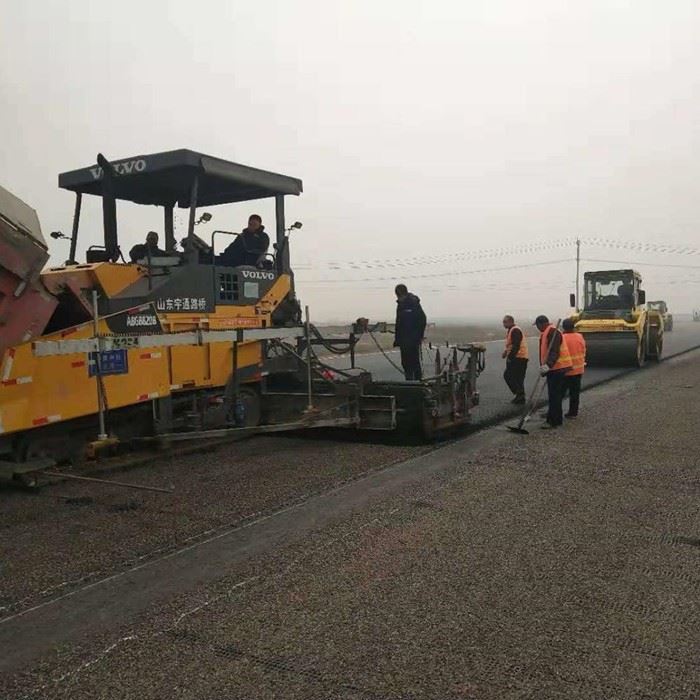
In California, USA, a state that experiences frequent seismic events, PET Biaxial Geogrid has been used in the rehabilitation of roads. After an earthquake, roads reinforced with the geogrid showed less damage compared to those without it. This not only saved time and money on repairs but also ensured the continued functionality of the transportation network.
Comparing with Other Geogrids
There are other types of geogrids available in the market, such as Knitted Polyester Geogrid and other non - PET geogrids. While these geogrids also have their uses, PET Biaxial Geogrid has some distinct advantages in earthquake - prone areas.
PET Biaxial Geogrid has high tensile strength and excellent creep resistance. This means it can maintain its performance over a long period, even under the repeated stress caused by seismic events. In contrast, some other geogrids may lose their strength or deform over time, which can reduce their effectiveness in reinforcing the soil.
Our PET Biaxial Geogrid Products
As a supplier, I'm proud to offer high - quality Polyester Biaxial Geogrid products. Our geogrids are manufactured using the latest technology and strict quality control measures. We have a range of different specifications to meet the diverse needs of our customers in earthquake - prone areas.
Whether you're working on a small slope stabilization project or a large - scale road construction in an earthquake - prone region, our PET Biaxial Geogrid can be customized to fit your requirements. We also provide technical support to ensure that our customers can install and use the geogrid correctly.
Why Choose Our PET Biaxial Geogrid for Earthquake - Prone Areas
- Reliability: Our geogrid has been tested and proven to perform well in seismic conditions. You can trust it to provide long - term soil reinforcement and protection for your infrastructure.
- Cost - effectiveness: Compared to some other solutions for earthquake - resistant construction, our PET Biaxial Geogrid is a cost - effective option. It can reduce the need for expensive repairs and reconstruction after an earthquake.
- Easy Installation: Our geogrid is easy to install, which can save time and labor costs during the construction process.
How to Use PET Biaxial Geogrid in Earthquake - Prone Areas
When using PET Biaxial Geogrid in earthquake - prone areas, it's important to follow the proper installation procedures. First, the soil surface should be prepared properly. It should be leveled and compacted to ensure good contact between the geogrid and the soil.
The geogrid should be laid out carefully, with the seams properly overlapped and secured. It's also important to ensure that the geogrid is covered with a sufficient layer of soil or other fill material to protect it from damage. If you need more detailed information on installation, our technical team is always ready to help.
Conclusion
In conclusion, PET Biaxial Geogrid is a game - changer in earthquake - prone areas. Its ability to reinforce soil, reduce liquefaction, and improve the stability of infrastructure makes it an essential material for construction projects in these regions.
If you're involved in a project in an earthquake - prone area and are looking for a reliable and cost - effective solution for soil reinforcement, Polyester Geogrid For Construction is definitely worth considering. Don't hesitate to get in touch with us to discuss your specific needs and how our PET Biaxial Geogrid can help you achieve a more earthquake - resistant design. Let's work together to build a safer and more resilient infrastructure in earthquake - prone areas!
References
- Das, B. M. (2016). Principles of Geotechnical Engineering. Cengage Learning.
- Bonaparte, R., & Anderson, D. G. (2014). Geosynthetics in Civil and Environmental Engineering. CRC Press.