

Fiberglass geogrid is a remarkable material that has revolutionized the field of civil engineering, particularly in soil stabilization. As a leading supplier of fiberglass geogrid, I've witnessed firsthand the incredible benefits it offers in preventing the lateral displacement of soil. In this blog post, I'll delve into the science behind how fiberglass geogrid achieves this and why it's a game - changer for various construction projects.
Understanding Lateral Displacement of Soil
Before we explore how fiberglass geogrid prevents lateral displacement, it's essential to understand what lateral displacement of soil is. Lateral displacement occurs when soil moves horizontally due to various factors such as external loads, changes in soil moisture content, or seismic activity. This movement can cause significant problems in construction projects, including the instability of structures, cracking of pavements, and damage to underground utilities.
For example, in road construction, the weight of traffic can exert a lateral force on the underlying soil. If the soil is not properly stabilized, it can shift sideways, leading to uneven road surfaces and potholes. Similarly, in retaining walls, lateral soil movement can cause the wall to tilt or even collapse, posing a serious safety risk.
The Structure and Properties of Fiberglass Geogrid
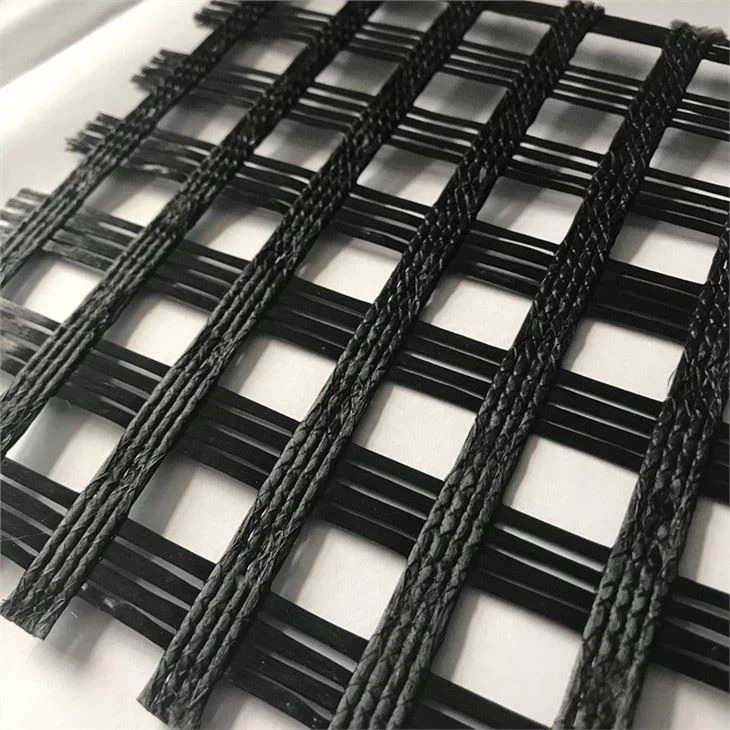
Fiberglass geogrid is made from high - strength fiberglass yarns that are woven into a grid - like structure. This unique structure gives it several properties that make it an ideal material for soil stabilization.
Firstly, fiberglass has a high tensile strength. Tensile strength refers to the ability of a material to resist being pulled apart. The high tensile strength of fiberglass geogrid allows it to withstand large forces without breaking. When installed in the soil, it can absorb and distribute the lateral forces acting on the soil, preventing it from moving laterally.
Secondly, fiberglass geogrid has excellent chemical resistance. It is resistant to corrosion, chemicals, and environmental factors such as moisture and UV radiation. This means that it can maintain its strength and performance over a long period, even in harsh conditions. For instance, in areas with high soil acidity or near chemical plants, fiberglass geogrid will not degrade easily, ensuring long - term soil stabilization.
Mechanisms of Preventing Lateral Displacement
Interlocking with Soil Particles
One of the primary ways fiberglass geogrid prevents lateral displacement is through interlocking with soil particles. When the geogrid is installed in the soil, the soil particles fill the openings in the grid. This creates a mechanical interlock between the geogrid and the soil. As a result, when a lateral force is applied to the soil, the geogrid restricts the movement of the soil particles. The soil particles are essentially "trapped" within the grid, and the lateral force is transferred to the geogrid, which can then distribute the force over a larger area.
This interlocking mechanism is similar to how a chain link fence holds back gravel. The gravel fills the spaces in the fence, and the fence prevents the gravel from spreading out laterally. In the case of fiberglass geogrid, the soil acts as the gravel, and the geogrid acts as the fence.
Reinforcing the Soil Mass
Fiberglass geogrid also reinforces the soil mass. By adding the geogrid to the soil, the overall strength and stiffness of the soil are increased. The geogrid acts as a reinforcement layer, similar to how steel bars reinforce concrete. When a lateral force is applied, the reinforced soil mass can better resist deformation and displacement.
The geogrid distributes the lateral force throughout the soil mass, reducing the stress concentration at any one point. This helps to prevent the soil from reaching its shear strength limit, which would otherwise lead to lateral movement. For example, in a slope stabilization project, the fiberglass geogrid reinforces the soil on the slope, making it more stable and less likely to slide laterally.

Load Distribution
Another important mechanism is load distribution. Fiberglass geogrid can distribute the lateral loads over a wider area. Instead of the load being concentrated in a small area of the soil, the geogrid spreads the load out, reducing the pressure on any single point of the soil. This is crucial because high - pressure areas in the soil are more likely to experience lateral displacement.
For example, in a road construction project, the weight of vehicles creates lateral loads on the soil beneath the road surface. The fiberglass geogrid installed in the soil distributes these loads, preventing the soil from being over - stressed and moving laterally. This results in a more stable road foundation and a longer - lasting road surface.
Applications in Different Projects
Road Construction
In road construction, fiberglass geogrid plays a vital role in preventing lateral displacement of the soil beneath the road. By using Glass Grid For Roads, the road foundation becomes more stable, reducing the occurrence of pavement distresses such as rutting and cracking. The geogrid reinforces the subgrade soil, allowing it to better withstand the repeated loads from traffic.
Retaining Wall Construction
Retaining walls are used to hold back soil and prevent it from moving laterally. Fiberglass geogrid can be incorporated into the backfill soil of retaining walls. The geogrid interlocks with the soil particles, increasing the stability of the backfill and reducing the lateral pressure on the retaining wall. This helps to prevent the wall from tilting or collapsing, ensuring the safety of the surrounding area.
Slope Stabilization
Slopes are prone to lateral displacement due to gravity and weathering. Asphalt Reinforcement Fiberglass Geogrid can be used to reinforce slopes and prevent soil movement. The geogrid is installed on the slope surface or within the soil mass, providing additional strength and stability. It helps to resist the lateral forces caused by rainfall, seismic activity, and the weight of the soil itself.
Why Choose Our Fiberglass Geogrid
As a supplier of fiberglass geogrid, we offer high - quality products that are manufactured to the highest standards. Our geogrids are tested rigorously to ensure they meet or exceed industry requirements. We have a wide range of products available, including Asphalt Fiberglass Geogrid For Sale, which can be customized to suit different project needs.
We also provide excellent customer service. Our team of experts can offer technical support and advice on the proper installation and use of our fiberglass geogrid. Whether you're a small - scale contractor or a large - scale construction company, we can provide you with the right products and solutions for your soil stabilization needs.
Conclusion
Fiberglass geogrid is an effective solution for preventing the lateral displacement of soil. Its unique structure and properties, combined with the mechanisms of interlocking, reinforcing, and load distribution, make it a powerful tool in soil stabilization. Whether it's for road construction, retaining wall construction, or slope stabilization, fiberglass geogrid can significantly improve the stability and longevity of construction projects.
If you're interested in purchasing fiberglass geogrid for your project, we invite you to contact us for more information and to discuss your specific requirements. Our team is ready to assist you in finding the best solution for your soil stabilization needs.
References
- Das, B. M. (2016). Principles of Geotechnical Engineering. Cengage Learning.
- Holtz, R. D., Kovacs, W. D., & Sheahan, T. C. (2011). An Introduction to Geotechnical Engineering. Pearson.
- Koerner, R. M. (2012). Designing with Geosynthetics. Pearson.