

Hey there! As a supplier of welded geogrid, I often get asked whether welded geogrid can be used in coastal engineering. Well, let's dig into this topic and find out.
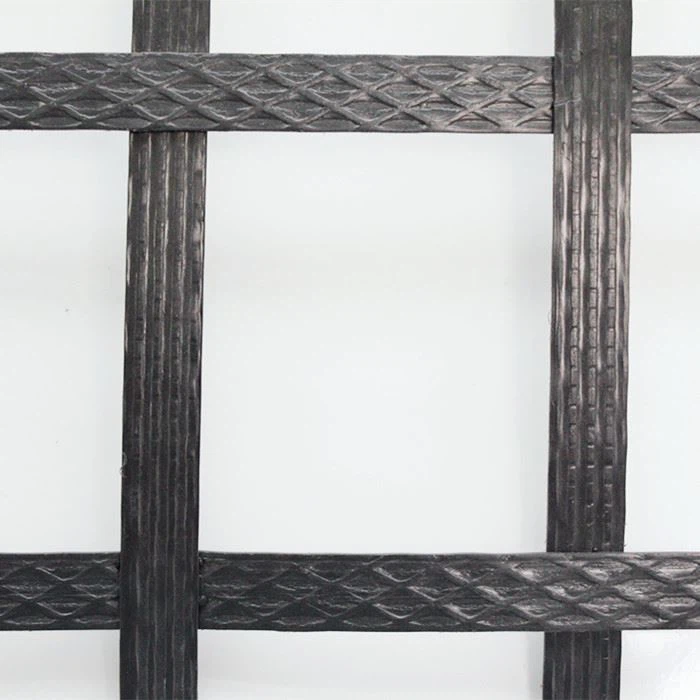
First off, let's understand what welded geogrid is. It's a type of geosynthetic material made by welding high - strength polymer ribs at their intersections. There are different types, like PET Laser Welded Geogrid, PP Welded Geogrid, and PP Laser Welded Geogrid. Each type has its own unique properties, but they all share some common features that make them potentially useful in coastal engineering.
Why Coastal Engineering Needs Special Materials
Coastal areas are some of the most challenging environments for engineering projects. The constant exposure to saltwater, strong waves, and tidal forces can take a toll on any structure. Saltwater is highly corrosive, and it can damage traditional construction materials over time. Waves and tides create dynamic loads that can cause soil erosion, settlement, and instability. So, we need materials that can withstand these harsh conditions and provide long - term stability.
Advantages of Welded Geogrid in Coastal Engineering
1. Erosion Control
One of the biggest problems in coastal areas is soil erosion. Waves and tides can wash away the soil, which can lead to the collapse of shorelines and damage to coastal structures. Welded geogrid can be used as a reinforcement material to prevent soil erosion. When installed in the soil, it forms a stable grid structure that holds the soil in place. The geogrid distributes the load from the waves and tides over a larger area, reducing the stress on the soil and preventing it from being washed away.
For example, if you're building a beachfront property, you can install welded geogrid beneath the sand. The geogrid will act like a net, keeping the sand in place even during strong storms. This not only protects the property but also helps to maintain the natural beauty of the beach.
2. Slope Stabilization
Coastal slopes are often unstable due to the combination of soil properties and the forces exerted by waves and tides. Welded geogrid can be used to stabilize these slopes. By installing the geogrid at the slope surface or within the soil mass, it increases the shear strength of the soil. This means that the slope is less likely to slide or collapse.
Let's say you're working on a coastal embankment project. The embankment needs to be stable to support the weight of the structures on top of it. By incorporating welded geogrid into the embankment design, you can enhance its stability and reduce the risk of failure.
3. Foundation Reinforcement
In coastal engineering, foundations are crucial for the stability of any structure. The soft and loose soils in coastal areas can cause settlement and uneven loading on foundations. Welded geogrid can be used to reinforce the foundation soil. When placed beneath the foundation, it spreads the load from the structure over a larger area, reducing the settlement of the foundation.
For instance, if you're building a pier or a jetty in a coastal area, the foundation needs to be strong enough to support the weight of the structure and the dynamic loads from the waves. Welded geogrid can help to strengthen the foundation soil, ensuring the long - term stability of the pier.
Challenges and Considerations
1. Corrosion Resistance
As I mentioned earlier, saltwater is highly corrosive. So, the welded geogrid we use in coastal engineering needs to have good corrosion resistance. Some types of welded geogrid, like those made from high - density polyethylene (HDPE) or polypropylene (PP), are naturally resistant to corrosion. These materials can withstand the harsh environment of coastal areas without significant degradation. However, it's important to choose the right type of geogrid based on the specific conditions of the project.
2. Installation
Proper installation is crucial for the performance of welded geogrid in coastal engineering. The geogrid needs to be installed at the correct depth and orientation to ensure its effectiveness. In coastal areas, the installation process can be more challenging due to the presence of water and the dynamic nature of the environment. Special equipment and techniques may be required to install the geogrid in these conditions.
For example, when installing welded geogrid in a submerged area, you need to use a method that can ensure proper placement and connection of the geogrid. This may involve using specialized boats or diving equipment.
Case Studies
There have been several successful applications of welded geogrid in coastal engineering projects around the world. In some coastal restoration projects, welded geogrid has been used to rebuild eroded shorelines. The geogrid was installed in the soil, and then vegetation was planted on top of it. Over time, the vegetation took root, and the shoreline became more stable.
In another project, a coastal bridge foundation was reinforced with welded geogrid. The geogrid helped to distribute the load from the bridge evenly over the soft soil, reducing the settlement of the foundation. This extended the lifespan of the bridge and saved a significant amount of maintenance costs.
Choosing the Right Welded Geogrid
When selecting a welded geogrid for a coastal engineering project, you need to consider several factors. First, you need to think about the specific requirements of the project, such as the level of erosion, the type of soil, and the expected loads. You also need to consider the environmental conditions, including the salinity of the water and the frequency of storms.
If you're dealing with a high - energy coastal area with strong waves, you may need a welded geogrid with high tensile strength. On the other hand, if the main concern is corrosion resistance, you should choose a geogrid made from a material that can withstand saltwater.
Conclusion
So, can welded geogrid be used in coastal engineering? The answer is a resounding yes! Welded geogrid offers many advantages in terms of erosion control, slope stabilization, and foundation reinforcement. However, it's important to choose the right type of geogrid and ensure proper installation to achieve the best results.
As a supplier of welded geogrid, I've seen firsthand how these materials can make a difference in coastal engineering projects. If you're involved in a coastal engineering project and need a reliable solution for soil reinforcement and erosion control, welded geogrid could be the answer.
If you're interested in learning more about our welded geogrid products or discussing your project requirements, don't hesitate to reach out. We're here to help you find the best solution for your coastal engineering needs.

References
- Koerner, R. M. (2012). Designing with Geosynthetics. Pearson.
- Bonaparte, R., & Christopher, B. R. (2009). Geosynthetics in Civil and Environmental Engineering. Wiley.
- Giroud, J. P., & Han, J. (2004). Design and Construction of Reinforced Soil Structures. Taylor & Francis.