

Hey there! As a supplier of HDPE Uniaxial Geogrid, I often get asked about the environmental benefits of using this product. Well, let me tell you, there are quite a few! In this blog post, I'll break down the key environmental perks of HDPE Uniaxial Geogrid and why it's a great choice for your projects.
1. Reduced Soil Erosion
One of the most significant environmental benefits of HDPE Uniaxial Geogrid is its ability to control soil erosion. Soil erosion is a major problem that can lead to the loss of fertile topsoil, sedimentation in water bodies, and damage to ecosystems. When we use HDPE Uniaxial Geogrid in construction projects such as roads, embankments, and slopes, it provides excellent reinforcement to the soil.
The geogrid's uniaxial structure is designed to distribute loads along a single axis, which helps to hold the soil in place. It interlocks with the soil particles, creating a stable composite structure. This means that even in areas with high rainfall or strong winds, the soil is less likely to be washed or blown away. For example, in a highway construction project on a hilly terrain, the installation of HDPE Uniaxial Geogrid can prevent soil from slumping and sliding, thus protecting the surrounding environment from excessive sediment runoff into nearby rivers and streams.
2. Less Material Consumption
Another great thing about HDPE Uniaxial Geogrid is that it allows for the use of less traditional construction materials. In many infrastructure projects, large amounts of gravel, concrete, and other heavy - duty materials are required to achieve the necessary strength and stability. However, with the use of HDPE Uniaxial Geogrid, we can reduce the amount of these materials.
The geogrid acts as a reinforcement, enhancing the performance of the existing soil or fill materials. For instance, when building a retaining wall, instead of using a thick layer of concrete blocks, we can use a thinner layer in combination with HDPE Uniaxial Geogrid. This not only reduces the cost but also the environmental impact associated with the extraction, production, and transportation of these materials. Mining for gravel and producing concrete are energy - intensive processes that generate a significant amount of greenhouse gas emissions. By using less of these materials, we can contribute to a more sustainable construction industry.
3. Longer Service Life
HDPE Uniaxial Geogrid has a long service life, which is a huge environmental plus. Made from high - density polyethylene, this geogrid is highly resistant to corrosion, chemicals, and UV radiation. It can withstand harsh environmental conditions for decades without significant degradation.
In contrast, some traditional construction materials may need to be replaced frequently due to wear and tear, corrosion, or other forms of damage. For example, metal reinforcements in soil structures can rust over time, especially in areas with high humidity or exposure to saltwater. This requires regular maintenance and replacement, which not only costs more but also generates more waste. With HDPE Uniaxial Geogrid, we can build long - lasting infrastructure that requires less frequent replacement, reducing the overall environmental impact associated with the construction and maintenance of these projects.
4. Promotes Vegetation Growth
HDPE Uniaxial Geogrid can also play a role in promoting vegetation growth, which is beneficial for the environment. In some slope stabilization projects, the geogrid can be installed in a way that allows for the establishment of vegetation on the slope surface.
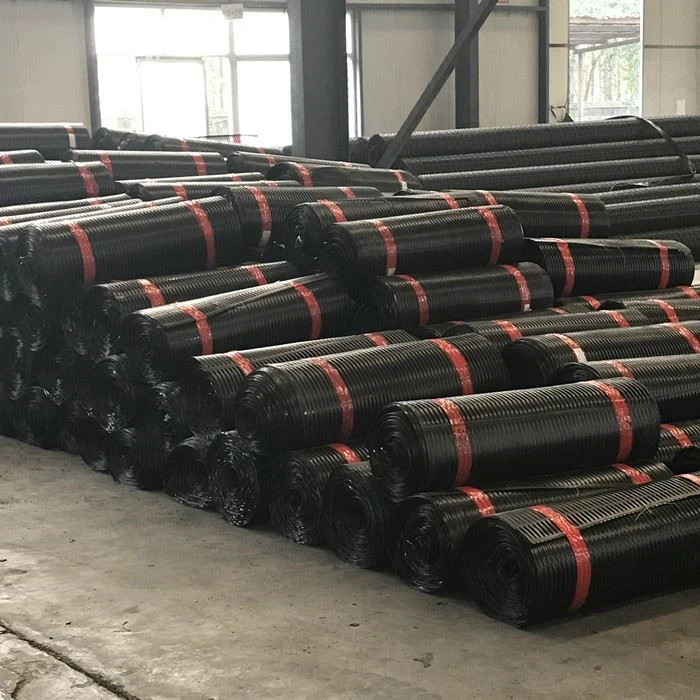

The geogrid provides a stable base for the soil, preventing it from eroding and allowing seeds to take root. Once the vegetation grows, it further stabilizes the soil through its root system. Vegetation also helps to improve air quality by absorbing carbon dioxide and releasing oxygen. Additionally, it provides habitat for wildlife, enhancing biodiversity in the area. For example, in a reclamation project of a degraded mine site, the use of HDPE Uniaxial Geogrid can facilitate the growth of native plants, turning a barren area into a green and ecologically - friendly landscape.
5. Energy Efficiency in Production
The production process of HDPE Uniaxial Geogrid is relatively energy - efficient compared to many other construction materials. High - density polyethylene is a thermoplastic material that can be easily molded and extruded into the desired geogrid shape.
Modern manufacturing techniques have been developed to optimize the energy consumption during the production of HDPE Uniaxial Geogrid. For example, advanced extrusion machines can produce the geogrid with minimal energy waste. This means that the overall carbon footprint associated with the production of HDPE Uniaxial Geogrid is lower than that of some traditional construction materials. When we choose to use this geogrid in our projects, we are making a more energy - efficient and environmentally - friendly choice.
Product Options
If you're interested in learning more about our HDPE Uniaxial Geogrid products, we have a couple of great options available. Check out our Extruded Polyethylene Geogrid and HDPE UX Geogrid pages. These pages provide detailed information about the specifications, features, and applications of these products.
Conclusion and Call to Action
In conclusion, the environmental benefits of using HDPE Uniaxial Geogrid are numerous. From reducing soil erosion and material consumption to promoting vegetation growth and having an energy - efficient production process, it's a great choice for sustainable construction projects.
If you're involved in a construction or infrastructure project and are looking for an environmentally - friendly and cost - effective solution, HDPE Uniaxial Geogrid is definitely worth considering. Whether you're building a road, a retaining wall, or stabilizing a slope, our geogrid can help you achieve your goals while minimizing the impact on the environment.
Don't hesitate to reach out to us if you have any questions or if you're interested in discussing a potential purchase. We're here to help you make the best decision for your project.
References
- "Geosynthetics in Civil Engineering" by Robert M. Koerner
- "Soil Erosion and Its Control" by David E. Walling
- Industry reports on the production and use of HDPE materials in construction