

Hey there! As a supplier of Woven PET Geogrid, I often get asked whether this product can get damaged during transportation. In this blog, I'll share some insights on this topic based on my experience and relevant knowledge.
What is Woven PET Geogrid?
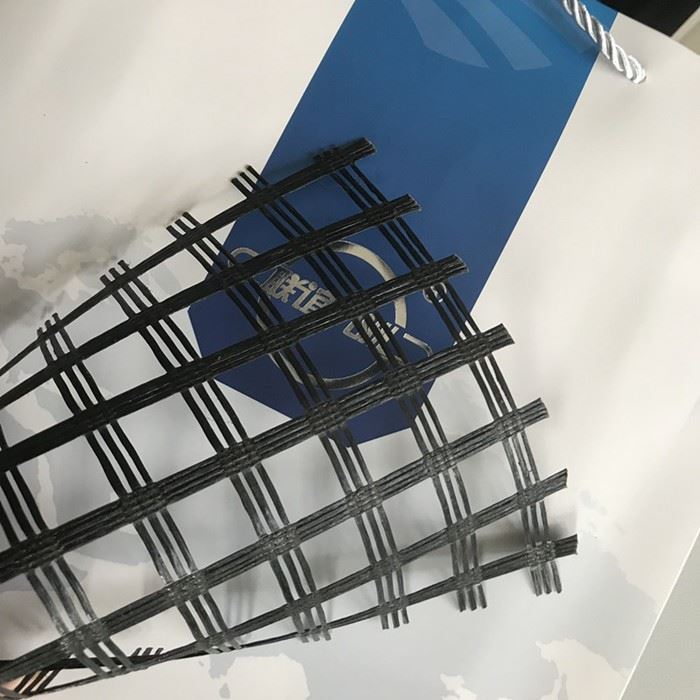
Before delving into the transportation issue, let's briefly understand what Woven PET Geogrid is. It's a geosynthetic material made from high - strength polyester (PET) yarns that are woven into a grid pattern. This grid provides excellent tensile strength and stability, which makes it widely used in civil engineering projects such as road construction, slope reinforcement, and embankment stabilization.
There are different types of related geogrids, like Woven Polyester Geogrid, PES Geogrid, and PVC Coated Polyester Geogrid. Each type has its own unique features and applications, but they share some common characteristics related to transportation and durability.

Potential Risks of Damage during Transportation
Mechanical Damage
One of the most common ways Woven PET Geogrid can get damaged during transportation is through mechanical means. Sharp objects in the transport vehicle, such as rough edges of pallets, metal parts, or shovels left in the truck accidentally, can puncture or cut the geogrid. When the grid is stacked on a pallet, if the pallet has splinters or is not in good condition, it can also cause abrasions on the surface of the material.
During loading and unloading, improper handling with forklifts or other equipment can also lead to damage. For example, if the forks of a forklift are not properly aligned with the pallet, they can push into the geogrid, tearing it apart.
Environmental Factors
Exposure to extreme environmental conditions during transportation can also harm the geogrid. UV rays can be a big problem, especially if the geogrid is transported in an open - air truck or left exposed for a long time. Prolonged exposure to sunlight can degrade the polyester material, reducing its tensile strength and longevity.
Moisture is another concern. If the geogrid gets wet during transportation, for instance, due to rain or if the transport container is not well - sealed, it can lead to mold growth. Moisture can also cause the geogrid to swell or lose its structural integrity over time, especially if it's not dried properly.
Stacking and Compression
When transporting Woven PET Geogrid, it's usually stacked in layers. However, if the stacking is not done correctly, excessive pressure can be exerted on the lower layers. This can lead to deformation of the grid structure. For instance, if there are too many layers stacked on a pallet without proper support, the geogrid at the bottom may get crushed, and its grid pattern may be distorted.
Preventive Measures
Packaging
Using proper packaging is crucial to protect the geogrid during transportation. We usually wrap the geogrid with a thick plastic sheet. This plastic wrap acts as a barrier against moisture and UV rays. It also provides a certain degree of protection against mechanical damage by creating a smooth surface that can reduce the chance of sharp objects coming into direct contact with the geogrid.
In addition to the plastic wrap, we also place the wrapped geogrid on a sturdy pallet. The pallet should be made of high - quality wood or plastic that can support the weight of the geogrid and resist damage. We may also use corner protectors on the pallet to prevent damage from impacts during handling.
Loading and Unloading
During loading and unloading, we follow strict procedures to minimize the risk of damage. Our workers are trained to use the correct equipment and techniques. For example, when using forklifts, they make sure the forks are properly aligned with the pallet to avoid puncturing the geogrid. We also use lifting straps and hooks that are designed to handle large rolls of geogrid without causing damage.
Transport Conditions
When choosing a transport vehicle, we look for trucks or containers that are clean, dry, and well - maintained. If possible, we prefer to use enclosed trucks to protect the geogrid from environmental factors such as rain and sunlight. If open - air transport is necessary, we use tarps to cover the geogrid and secure them tightly to prevent them from being blown away by the wind.
Our Experience in Reducing Damage
Over the years, we've gained a lot of experience in ensuring the safe transportation of Woven PET Geogrid. We've developed a quality control system that monitors every step of the transportation process. From the moment the geogrid leaves our factory to the time it reaches the customer's site, we keep track of its condition.
We also work closely with our logistics partners to ensure that they understand the special requirements for transporting geogrid. We provide them with detailed instructions on handling, storage, and transportation conditions. By doing so, we've been able to significantly reduce the rate of damaged products during transportation.
Conclusion
In conclusion, while there are risks of Woven PET Geogrid getting damaged during transportation, with proper preventive measures, these risks can be effectively minimized. Our company has been committed to providing high - quality Woven PET Geogrid products, and we've taken every step to ensure that our customers receive products in perfect condition.
If you're in the market for Woven PET Geogrid or any of our other related products like Woven Polyester Geogrid, PES Geogrid, or PVC Coated Polyester Geogrid, don't hesitate to contact us for a purchase negotiation. We're more than happy to discuss your specific needs and provide you with the best solutions.
References
- Geosynthetics Institute. (20XX). Guidelines for the Transportation and Storage of Geogrids.
- ASTM International. (20XX). Standard Specifications for Woven Polyester Geogrids.