

Welded geogrid is a versatile and widely used geosynthetic material that offers numerous benefits in various engineering applications. As a leading supplier of welded geogrid, I have witnessed firsthand the diverse range of projects where this product plays a crucial role. In this blog post, I will explore the common applications of welded geogrid and highlight its importance in modern construction and infrastructure development.
Road Construction
One of the primary applications of welded geogrid is in road construction. Welded geogrid can significantly enhance the performance and durability of roads by providing reinforcement to the pavement structure. When placed within the asphalt or soil layers, the geogrid distributes the load more evenly, reducing the stress on the underlying layers and preventing the formation of cracks and rutting.
In new road construction, welded geogrid can be used as a base reinforcement layer to improve the stability of the subgrade. By increasing the bearing capacity of the soil, the geogrid helps to prevent settlement and deformation, ensuring a smoother and longer-lasting road surface. Additionally, the geogrid can be used in asphalt overlays to reduce reflective cracking, which occurs when cracks from the existing pavement propagate through the new overlay.
For road rehabilitation projects, welded geogrid can be installed to strengthen the existing pavement and extend its service life. By providing additional reinforcement, the geogrid can help to prevent further deterioration and reduce the need for costly repairs. This not only saves time and money but also minimizes disruption to traffic.
Embankment and Slope Stabilization
Welded geogrid is also commonly used for embankment and slope stabilization. In these applications, the geogrid is installed within the soil mass to increase its shear strength and prevent slope failure. By providing a stable framework, the geogrid helps to hold the soil in place and resist the forces of gravity and erosion.
In embankment construction, welded geogrid can be used to reinforce the fill material and increase the stability of the embankment. By distributing the load more evenly, the geogrid reduces the risk of settlement and lateral movement, ensuring the long-term integrity of the embankment. Additionally, the geogrid can be used to construct steep slopes, allowing for more efficient use of land and reducing the need for extensive excavation.
For slope stabilization projects, welded geogrid can be installed on the surface of the slope to prevent soil erosion and landslides. By providing a protective layer, the geogrid helps to hold the soil in place and prevent it from being washed away by rain or wind. Additionally, the geogrid can be used in combination with vegetation to enhance the stability of the slope and promote ecological restoration.
Retaining Wall Construction
Welded geogrid is an essential component in retaining wall construction. In these applications, the geogrid is used to reinforce the backfill material and provide stability to the retaining wall. By distributing the lateral earth pressure, the geogrid helps to prevent the wall from overturning or sliding, ensuring the safety and integrity of the structure.
In mechanically stabilized earth (MSE) retaining walls, welded geogrid is used as the reinforcement element. The geogrid is placed within the backfill material at regular intervals and connected to the facing panels of the wall. As the soil is compacted, the geogrid develops a frictional bond with the soil, creating a composite structure that can withstand the lateral earth pressure.
For gravity retaining walls, welded geogrid can be used to increase the stability of the wall by providing additional reinforcement to the backfill material. By distributing the load more evenly, the geogrid reduces the stress on the wall and helps to prevent it from cracking or failing. Additionally, the geogrid can be used to construct taller and more slender retaining walls, allowing for more efficient use of space and materials.
Landfill and Waste Management
Welded geogrid is also used in landfill and waste management applications. In these applications, the geogrid is used to reinforce the landfill liner system and prevent the migration of waste and leachate. By providing a stable framework, the geogrid helps to hold the liner in place and prevent it from being damaged by the weight of the waste or the movement of the landfill.
In landfill construction, welded geogrid can be used as a reinforcement layer within the landfill liner system. The geogrid is placed between the soil and the liner material to increase the stability of the liner and prevent it from wrinkling or tearing. Additionally, the geogrid can be used to reinforce the landfill cover system, which helps to prevent the escape of gases and odors from the landfill.
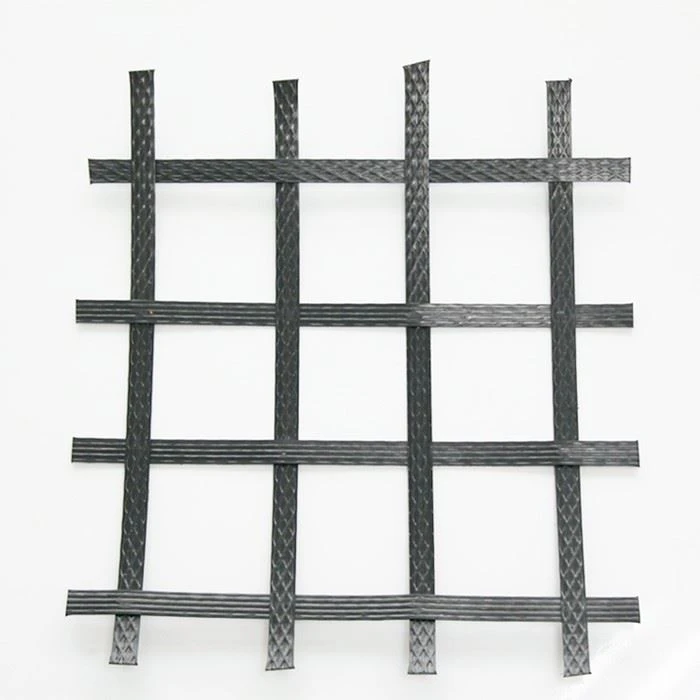

For waste management applications, welded geogrid can be used to construct waste containment structures, such as waste ponds and lagoons. The geogrid is used to reinforce the soil and provide stability to the structure, preventing the leakage of waste and protecting the environment.
Other Applications
In addition to the above applications, welded geogrid is also used in a variety of other engineering projects, including airport runways, railway tracks, and coastal protection. In airport runways, welded geogrid can be used to reinforce the pavement structure and improve its performance under heavy aircraft loads. In railway tracks, welded geogrid can be used to stabilize the ballast and prevent track settlement. In coastal protection, welded geogrid can be used to construct seawalls and breakwaters to protect against erosion and flooding.
As a supplier of welded geogrid, we offer a wide range of products to meet the diverse needs of our customers. Our PP Laser Welded Geogrid is made from high-quality polypropylene material and is suitable for a variety of applications, including road construction, embankment stabilization, and retaining wall construction. Our Welding PET Geogrid is made from polyester material and offers high strength and durability, making it ideal for heavy-duty applications. Our PET Laser Welded Geogrid is made from high-strength polyester material and is suitable for applications where high tensile strength and low creep are required.
If you are interested in learning more about our welded geogrid products or have any questions about their applications, please do not hesitate to contact us. Our team of experts is available to provide you with technical support and assistance to help you choose the right product for your project. We look forward to working with you and helping you achieve your engineering goals.
References
- Koerner, R. M. (2012). Designing with Geosynthetics. Pearson Prentice Hall.
- Giroud, J. P., & Han, J. (2004). Design and Construction of Mechanically Stabilized Earth Walls and Reinforced Soil Slopes. Taylor & Francis.
- Bonaparte, R., & Daniel, D. E. (1990). Geosynthetics in Waste Disposal Facilities. ASTM International.