

What is the Permeability of Nonwoven Geotextile?
As a leading supplier of nonwoven geotextiles, I've witnessed firsthand the growing importance of these materials in various civil engineering and environmental projects. One of the most critical properties of nonwoven geotextiles is their permeability, which plays a pivotal role in determining their effectiveness in different applications. In this blog post, I'll delve into the concept of permeability, its significance, and how it relates to our range of nonwoven geotextiles.
Understanding Permeability
Permeability, in the context of nonwoven geotextiles, refers to the ability of the material to allow the passage of fluids, typically water, through its structure. It is a measure of how easily water can flow through the geotextile, and it is influenced by several factors, including the fabric's porosity, fiber arrangement, and thickness.
The permeability of a nonwoven geotextile is usually expressed in terms of a coefficient of permeability, which is a measure of the rate of flow of water through the material under a given hydraulic gradient. This coefficient is typically denoted by the symbol "k" and is expressed in units of length per time, such as centimeters per second (cm/s) or meters per day (m/d).
Significance of Permeability
The permeability of nonwoven geotextiles is of utmost importance in many applications, including drainage, filtration, and erosion control. Here's a closer look at how permeability impacts these key functions:
-
Drainage: In drainage applications, nonwoven geotextiles are used to collect and convey water away from a structure or an area. A high permeability is essential to ensure that water can flow freely through the geotextile and into the drainage system. This helps prevent the buildup of hydrostatic pressure, which can cause damage to structures and lead to soil instability.
-
Filtration: Nonwoven geotextiles are often used as filters to separate soil particles from water. A proper balance of permeability and filtration efficiency is crucial in these applications. The geotextile must allow water to pass through while retaining soil particles, preventing them from clogging the drainage system or migrating into adjacent areas.
-
Erosion Control: In erosion control applications, nonwoven geotextiles are used to protect soil from the erosive forces of wind and water. A permeable geotextile allows water to infiltrate the soil, reducing surface runoff and preventing soil erosion. At the same time, it provides a physical barrier that helps stabilize the soil and prevent the movement of sediment.
Factors Affecting Permeability
Several factors can influence the permeability of nonwoven geotextiles. Understanding these factors is essential for selecting the right geotextile for a specific application. Here are some of the key factors:
-
Porosity: Porosity refers to the volume of voids or open spaces within the geotextile. A higher porosity generally results in a higher permeability, as there are more pathways for water to flow through the material.
-
Fiber Arrangement: The way the fibers are arranged in the nonwoven geotextile can also affect its permeability. A more random fiber arrangement typically leads to a higher permeability, as it creates a more interconnected network of voids.
-
Thickness: The thickness of the geotextile can impact its permeability. Generally, a thicker geotextile may have a lower permeability, as the water has to travel a longer distance through the material. However, this relationship can be influenced by other factors, such as porosity and fiber arrangement.
-
Fiber Type and Size: The type and size of the fibers used in the nonwoven geotextile can also play a role in its permeability. Different fiber materials have different surface properties and characteristics, which can affect the flow of water through the material. Additionally, smaller fibers may result in a higher surface area and a more tortuous flow path, potentially reducing permeability.
Our Range of Nonwoven Geotextiles
At our company, we offer a wide range of nonwoven geotextiles with varying permeability characteristics to meet the diverse needs of our customers. Here are some of our popular products:
-
PET Nonwoven Geotextile: Our PET nonwoven geotextiles are made from high-quality polyester fibers, which offer excellent strength, durability, and chemical resistance. These geotextiles are available in different weights and thicknesses, allowing us to provide a solution with the appropriate permeability for your specific application.
-
Continuous Filament Geotextiles: Our continuous filament geotextiles are manufactured using a unique process that produces long, continuous fibers. This results in a geotextile with a high porosity and excellent permeability, making it ideal for drainage and filtration applications.
-
PP Staple Fiber Nonwoven Geotextile: Our PP staple fiber nonwoven geotextiles are made from polypropylene fibers, which are known for their low cost, lightweight, and good chemical resistance. These geotextiles are available in a range of weights and can be customized to achieve the desired permeability for your project.
Selecting the Right Nonwoven Geotextile
When selecting a nonwoven geotextile for your project, it's important to consider the specific requirements of your application, including the desired permeability. Here are some steps to help you make the right choice:
-
Understand Your Application: Clearly define the purpose of the geotextile in your project, whether it's for drainage, filtration, erosion control, or another application. This will help you determine the required permeability and other properties.
-
Consult with an Expert: If you're unsure about which geotextile is best for your project, don't hesitate to consult with one of our experts. We have extensive experience in the field and can provide you with professional advice and guidance based on your specific needs.
-
Test the Geotextile: Before making a final decision, it's a good idea to test the geotextile to ensure that it meets your requirements. This can involve conducting permeability tests or other relevant tests to evaluate the performance of the material.
Conclusion
The permeability of nonwoven geotextiles is a critical property that determines their effectiveness in various applications. By understanding the concept of permeability, its significance, and the factors that affect it, you can make an informed decision when selecting a nonwoven geotextile for your project.
At our company, we are committed to providing high-quality nonwoven geotextiles with the right permeability characteristics to meet your specific needs. Whether you're working on a small-scale project or a large infrastructure development, we have the expertise and the products to help you achieve your goals.
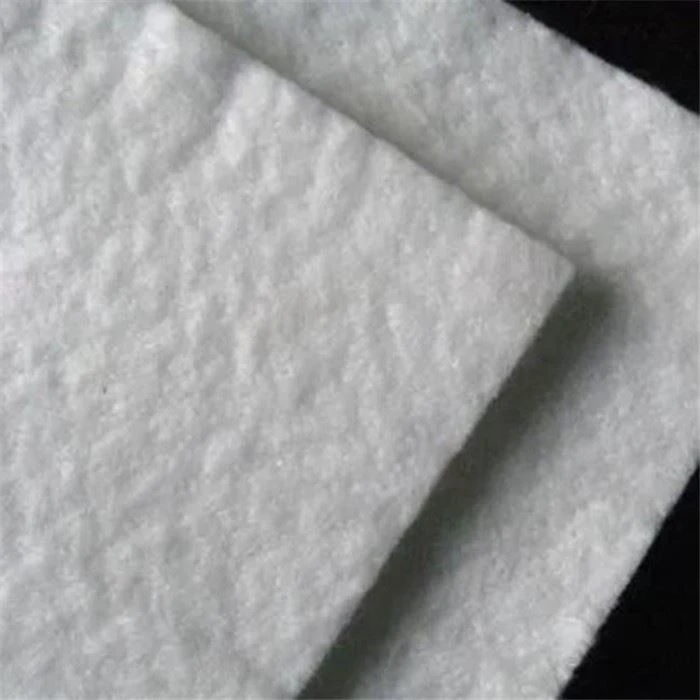

If you're interested in learning more about our nonwoven geotextiles or have any questions about permeability or other properties, please don't hesitate to contact us. We look forward to working with you and helping you find the perfect solution for your project.
References
- Koerner, R. M. (2012). Designing with Geosynthetics. Pearson.
- Giroud, J. P., & Bonaparte, R. (1989). Geotextile Filters: Design and Construction. ASTM International.
- National Highway Institute. (2001). Geosynthetics in Highway Construction. Federal Highway Administration.