

In the realm of geotechnical engineering, the performance of materials under various environmental conditions is of utmost importance. One such material that has gained significant attention is the PET biaxial geogrid. As a supplier of PET Biaxial Geogrid, I have witnessed firsthand the inquiries regarding its performance in high - humidity environments. In this blog, we will delve into the characteristics and performance of PET biaxial geogrid in high - humidity scenarios.
Understanding PET Biaxial Geogrid
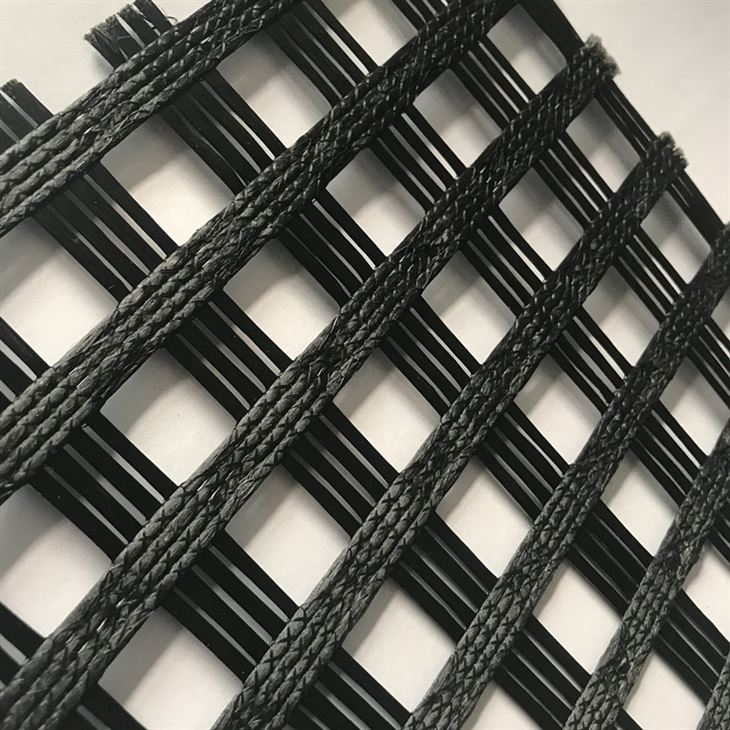
PET biaxial geogrid, also known as PET Biaxial Geo Grid, is a high - strength geosynthetic material made from polyester (PET). It is characterized by its biaxial structure, which means it has high tensile strength in both the machine and cross - machine directions. This property makes it an ideal choice for soil reinforcement applications, such as road construction, embankment stabilization, and slope protection.
The manufacturing process of PET biaxial geogrid involves extruding and stretching the polyester material to form a grid - like structure. The resulting product has large apertures that allow soil particles to interlock with the geogrid, providing a composite system that enhances the overall stability of the soil mass.
Impact of High - Humidity Environments on Geosynthetics
High - humidity environments pose unique challenges to geosynthetic materials. Moisture can affect the mechanical properties, chemical stability, and durability of these materials. When a geosynthetic is exposed to high humidity, several phenomena can occur:
- Swelling: Some materials may absorb water, leading to swelling. This can cause dimensional changes in the geogrid, which may affect its ability to interact effectively with the soil.
- Chemical Degradation: Moisture can accelerate chemical reactions, such as hydrolysis, which can break down the polymer chains in the geogrid. This can lead to a reduction in tensile strength and other mechanical properties over time.
- Biological Attack: High humidity provides a favorable environment for the growth of microorganisms, which can potentially attack and degrade the geosynthetic material.
Performance of PET Biaxial Geogrid in High - Humidity Environments
Mechanical Properties
One of the key advantages of PET biaxial geogrid is its excellent mechanical performance in high - humidity environments. PET is a hydrophobic polymer, which means it has a low affinity for water. As a result, the geogrid does not absorb significant amounts of water, minimizing the risk of swelling and dimensional changes.
Laboratory tests have shown that the tensile strength of PET biaxial geogrid remains relatively stable even after prolonged exposure to high - humidity conditions. The biaxial structure of the geogrid also helps to distribute the load evenly, reducing the stress concentration points and enhancing its overall mechanical stability.
Chemical Stability
PET has good chemical resistance, which makes it suitable for use in high - humidity environments. The polymer is resistant to hydrolysis, which is a common form of chemical degradation in polymers exposed to moisture. This means that the PET biaxial geogrid can maintain its chemical integrity and mechanical properties over a long period of time, even in the presence of water.
In addition, PET is also resistant to many chemicals commonly found in soil, such as acids, alkalis, and salts. This further enhances its durability in high - humidity environments where the soil may be contaminated with these substances.
Durability
The durability of PET biaxial geogrid in high - humidity environments is also influenced by its resistance to biological attack. PET is not a favorable substrate for the growth of microorganisms, which reduces the risk of biological degradation.
Moreover, the manufacturing process of PET biaxial geogrid often includes the addition of antioxidants and UV stabilizers, which further enhance its resistance to environmental factors. These additives help to protect the geogrid from oxidation and UV radiation, which can also contribute to its long - term durability in high - humidity environments.
Case Studies
To illustrate the performance of PET biaxial geogrid in high - humidity environments, let's look at some real - world case studies:
- Road Construction in a Coastal Area: A road project was carried out in a coastal area with high humidity and salt - water intrusion. PET biaxial geogrid was used to reinforce the subgrade of the road. After several years of service, the road showed no signs of significant settlement or cracking. The geogrid effectively distributed the traffic load and prevented the lateral movement of the soil, even in the presence of high humidity and salt - water exposure.
- Embankment Stabilization in a Tropical Region: In a tropical region with high rainfall and humidity, a PET biaxial geogrid was used to stabilize an embankment. The geogrid was installed in multiple layers within the embankment to enhance its stability. After a heavy rainfall event, the embankment remained stable, and there was no evidence of slope failure or erosion. The geogrid's ability to maintain its mechanical properties in the high - humidity environment was crucial in ensuring the long - term stability of the embankment.
Comparison with Other Geogrids
When considering the performance of PET biaxial geogrid in high - humidity environments, it is useful to compare it with other types of geogrids, such as PES Geogrid.
PES geogrid is also made from polyester, but it may have different properties depending on its manufacturing process and composition. In general, PET biaxial geogrid has better hydrophobicity and chemical resistance compared to some PES geogrids. This makes it more suitable for high - humidity environments where moisture - related degradation is a concern.
Another type of geogrid commonly used is the polypropylene (PP) geogrid. PP geogrids are known for their low cost and good chemical resistance, but they may have lower tensile strength compared to PET biaxial geogrids. In high - humidity environments, PP geogrids may also be more prone to swelling and dimensional changes due to their relatively higher water absorption rate.
Applications in High - Humidity Areas
PET biaxial geogrid has a wide range of applications in high - humidity areas:

- Coastal Engineering: In coastal areas, where high humidity and salt - water exposure are common, PET biaxial geogrid can be used for beach nourishment, shoreline protection, and the construction of coastal structures.
- Tropical and Sub - tropical Regions: These regions are characterized by high rainfall and humidity. PET biaxial geogrid can be used for slope stabilization, road construction, and landfill liner reinforcement in these areas.
- Wetland Restoration: In wetland restoration projects, PET biaxial geogrid can be used to stabilize the soil and prevent erosion. The geogrid's ability to maintain its performance in high - humidity environments is essential for the long - term success of these projects.
Conclusion
As a supplier of PET Biaxial Geogrid, I am confident in the performance of our product in high - humidity environments. PET biaxial geogrid offers excellent mechanical properties, chemical stability, and durability, making it a reliable choice for geotechnical applications in areas with high humidity.
The hydrophobic nature of PET, combined with its resistance to chemical degradation and biological attack, ensures that the geogrid can maintain its performance over a long period of time. Real - world case studies have demonstrated the effectiveness of PET biaxial geogrid in high - humidity environments, such as coastal areas and tropical regions.
If you are involved in a geotechnical project in a high - humidity area, I encourage you to consider using PET biaxial geogrid. Our team of experts is available to provide you with technical support and guidance to ensure the successful implementation of your project. Contact us today to discuss your specific requirements and explore how our PET biaxial geogrid can meet your needs.
References
- Koerner, R. M. (2012). Designing with Geosynthetics. Pearson.
- ASTM International. (2019). Standard Test Methods for Determining the Tensile Properties of Geotextiles and Geotextile - Related Products. ASTM D4595 - 19.
- Giroud, J. P., & Bonaparte, R. (1989). Design and Construction of Geosynthetic - Reinforced Soil Structures. Prentice Hall.