

Hey there! As a PES Geogrid supplier, I'm super excited to take you on a journey through the history of PES Geogrid development. It's been a wild ride, filled with innovation, challenges, and some really cool breakthroughs. So, let's dive right in!
Early Beginnings
Back in the day, the need for better soil stabilization and reinforcement was becoming more and more apparent. Traditional methods just weren't cutting it when it came to dealing with complex engineering problems. That's when the idea of geogrids started to take shape.
The concept of using grids to reinforce soil can be traced back to the 1970s. Engineers were looking for ways to improve the performance of roads, embankments, and other civil engineering structures. They realized that by adding a layer of reinforcement, they could increase the strength and stability of the soil.
The first geogrids were made from materials like steel and fiberglass. While these materials were effective, they had some limitations. Steel grids were heavy and prone to corrosion, while fiberglass grids were brittle and difficult to install.
The Birth of PES Geogrid
In the 1980s, a new material called polyester emerged as a promising alternative for geogrid production. Polyester is a strong, lightweight, and durable material that is resistant to corrosion and chemical degradation. It also has excellent tensile strength, which makes it ideal for soil reinforcement applications.
The first PES Geogrids were developed by researchers who were looking for a way to combine the benefits of polyester with the grid structure of traditional geogrids. They found that by weaving polyester fibers into a grid pattern, they could create a material that was both strong and flexible.
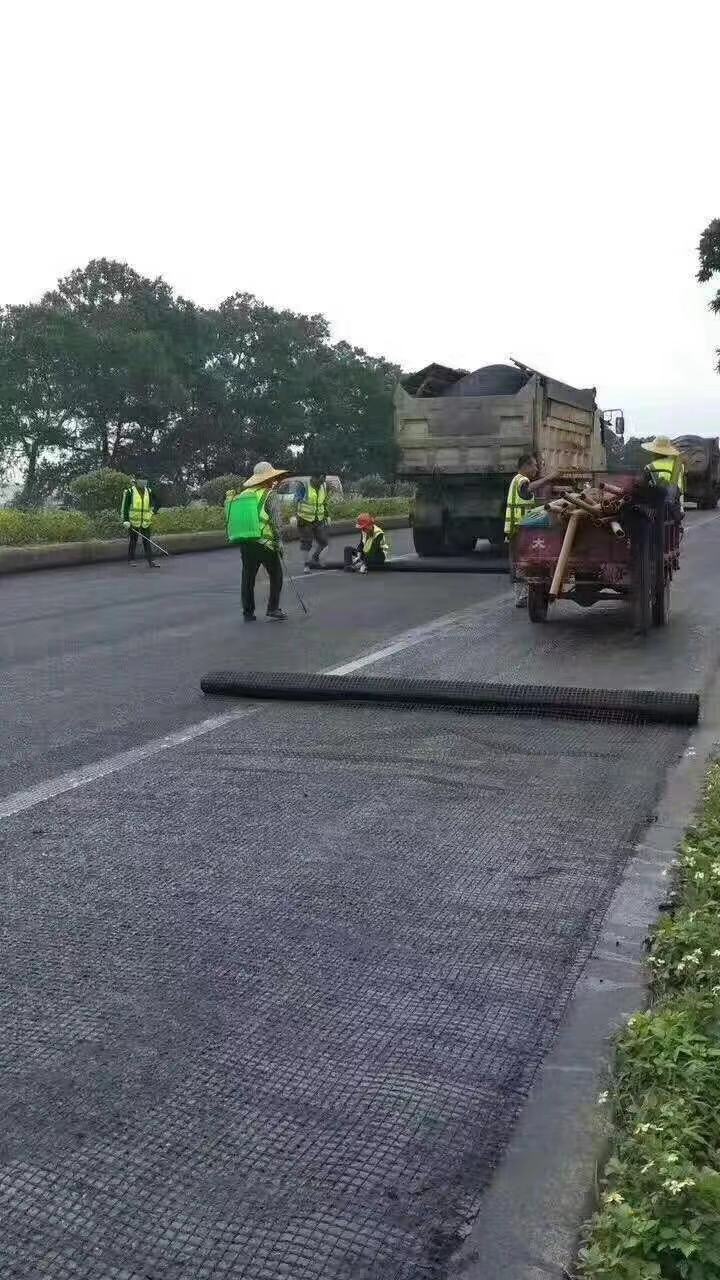
These early PES Geogrids were used primarily in road construction projects. They were placed between layers of soil to provide additional support and prevent the formation of cracks and potholes. The results were impressive. PES Geogrids significantly improved the performance and lifespan of roads, reducing maintenance costs and improving safety.

Advancements in PES Geogrid Technology
Over the years, the technology behind PES Geogrids has continued to evolve. Manufacturers have developed new weaving techniques and coating processes to improve the strength, durability, and performance of these products.
One of the major advancements in PES Geogrid technology is the development of Polyester Geogrid with Bitumen Coating. This type of geogrid is coated with a layer of bitumen, which provides additional protection against UV radiation, moisture, and chemical exposure. The bitumen coating also improves the adhesion between the geogrid and the soil, enhancing the overall performance of the reinforcement system.
Another important development is the use of high-strength polyester fibers. These fibers have a higher tensile strength than traditional polyester fibers, which allows for the production of thinner and lighter geogrids without sacrificing performance. High-strength PES Geogrids are ideal for applications where weight and space are limited, such as in rooftop gardens and slope stabilization projects.
Applications of PES Geogrid
Today, PES Geogrids are used in a wide range of applications across various industries. Some of the most common applications include:
- Road Construction: PES Geogrids are used to reinforce the base and subbase layers of roads, improving their load-bearing capacity and reducing the risk of rutting and cracking.
- Embankment Stabilization: They are used to stabilize embankments and slopes, preventing soil erosion and landslides.
- Retaining Wall Construction: PES Geogrids are used to reinforce retaining walls, increasing their stability and reducing the need for expensive structural supports.
- Landfill Liners: They are used in landfill liners to prevent the migration of waste and contaminants into the surrounding environment.
- Railway Construction: PES Geogrids are used to reinforce railway tracks, improving their stability and reducing the risk of track settlement.
The Future of PES Geogrid
The future of PES Geogrid looks bright. As the demand for sustainable and cost-effective construction solutions continues to grow, the use of PES Geogrids is expected to increase.
Manufacturers are constantly working on developing new and improved PES Geogrid products. They are exploring the use of new materials, such as recycled polyester, to make these products more environmentally friendly. They are also developing new coating technologies to further enhance the performance and durability of PES Geogrids.
In addition, the use of PES Geogrids in emerging applications, such as offshore wind farms and coastal protection projects, is expected to expand. These applications require high-performance geogrids that can withstand harsh environmental conditions and provide long-term stability.
Why Choose Our PES Geogrid?
As a leading PES Geogrid supplier, we take pride in offering high-quality products that meet the highest industry standards. Our PES Geogrids are made from the finest polyester fibers and are manufactured using state-of-the-art technology.
We offer a wide range of PES Geogrid products to suit different applications and requirements. Whether you need a lightweight geogrid for a small project or a heavy-duty geogrid for a large-scale construction project, we have the right solution for you.
Our team of experts is always available to provide technical support and advice. We can help you choose the right geogrid product for your project and ensure that it is installed correctly.
Let's Connect!
If you're interested in learning more about our PES Geogrid products or have any questions about their applications, please don't hesitate to get in touch. We'd love to discuss your project requirements and see how we can help. Whether you're a contractor, engineer, or developer, we're here to provide you with the best PES Geogrid solutions.
References
- "Geosynthetics in Civil Engineering" by Robert M. Koerner
- "Soil Reinforcement with Geosynthetics" by Jean-Louis Briaud
- Industry reports and research papers on geogrid technology and applications.