

Hey there! I'm a supplier of Erosion Control Mats, and I'm here to talk about the cost of these nifty products. Erosion control mats are super important for keeping soil in place, preventing runoff, and protecting the environment. But what factors go into their cost? Let's dig in.
What Are Erosion Control Mats?
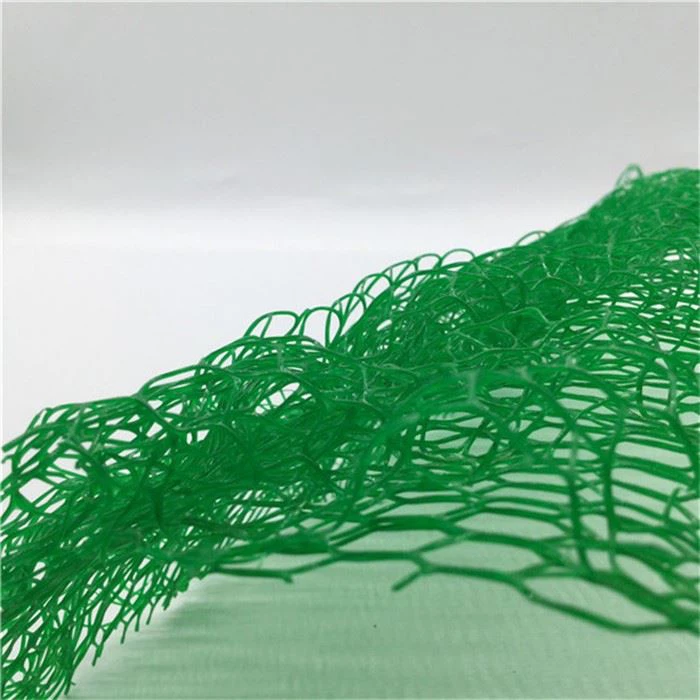
First off, let's quickly cover what erosion control mats are. These mats are used to stabilize soil on slopes, riverbanks, and construction sites. They come in different types, like Three-dimensional Vegetation Network and Erosion Protection Matting. The three-dimensional vegetation network is great for promoting plant growth, as it provides a structure for roots to hold onto. Erosion protection matting, on the other hand, is more focused on immediate soil protection.
Factors Affecting the Cost
Material
The material of the erosion control mat is a major factor in determining its cost. There are mats made from natural materials like coconut fiber or straw. These are often more eco - friendly and biodegradable. However, they might not last as long as synthetic mats. Synthetic mats, made from materials like polypropylene or polyethylene, are more durable and can withstand harsh weather conditions. But they usually cost more upfront.
For example, a basic straw erosion control mat might cost around $0.50 - $1 per square foot. On the other hand, a high - quality synthetic mat could cost anywhere from $2 - $5 per square foot.
Size and Thickness
The size and thickness of the mat also play a role. Larger mats will obviously cost more than smaller ones. And thicker mats are generally more expensive because they use more material. If you need a mat for a large area, you might want to consider the trade - off between size and cost. Sometimes, it might be more cost - effective to use multiple smaller mats instead of one large one.
A thin mat might cost around $0.80 per square foot, while a thick, heavy - duty mat could cost $3 or more per square foot.
Installation Complexity
The complexity of the installation can add to the overall cost. If the area where the mat needs to be installed is difficult to access, like a steep slope or a narrow riverbank, it will require more labor and specialized equipment. This means higher installation costs.
In some cases, installation costs can be as much as the cost of the mat itself. For simple, flat areas, installation might cost around $0.50 - $1 per square foot. But for more complex sites, it could be $2 - $3 per square foot.
Quantity
Buying in bulk can often save you money. If you're a large contractor or have a big project, purchasing a large quantity of erosion control mats will usually get you a discounted price. Suppliers are more likely to offer a better deal when you're buying hundreds or thousands of square feet of mats.
For instance, if you buy 100 square feet of a mat, it might cost $2 per square foot. But if you buy 1000 square feet, the price could drop to $1.50 per square foot.
Cost - Benefit Analysis
When considering the cost of erosion control mats, it's important to think about the benefits. These mats can prevent soil erosion, which can save you money in the long run. Erosion can cause damage to infrastructure, like roads and buildings. It can also lead to sedimentation in waterways, which can harm aquatic life and require costly cleanup.
By investing in erosion control mats, you're protecting your property and the environment. The cost of the mats and installation might seem high at first, but it's a small price to pay compared to the potential damage caused by erosion.
Customization
Some projects might require customized erosion control mats. This could include mats with specific shapes, colors, or performance features. Customization will add to the cost, but it can also ensure that the mat meets your exact needs.
For example, if you need a mat with a special pattern for aesthetic reasons or a mat with enhanced UV resistance for a sunny location, you'll have to pay a premium. Customized mats can cost anywhere from 10% - 50% more than standard mats.

Maintenance Costs
While erosion control mats are designed to be low - maintenance, there are still some costs associated with upkeep. You might need to inspect the mats regularly to make sure they're still in good condition. If there are any damages, you'll need to repair or replace the affected areas.
The maintenance cost will depend on the type of mat and the environment it's in. A biodegradable mat might need to be replaced more often than a synthetic one. On average, maintenance costs could be around $0.10 - $0.20 per square foot per year.
Comparing Different Types of Mats
Let's take a closer look at the cost differences between different types of erosion control mats.
Natural Mats
As mentioned earlier, natural mats like coconut fiber or straw are relatively inexpensive. They're a great option for short - term projects or areas where you want to promote plant growth. However, they have a shorter lifespan, usually around 1 - 2 years.
The total cost of using a natural mat, including purchase and installation, might be around $1 - $2 per square foot over its lifespan.
Synthetic Mats
Synthetic mats are more expensive but offer longer - term protection. They can last 5 - 10 years or more, depending on the quality. The initial cost of a synthetic mat and installation might be $3 - $5 per square foot. But when you factor in the longer lifespan, the cost per year can be comparable to or even lower than natural mats.
How to Get the Best Price
If you're looking to get the best price for erosion control mats, here are some tips:
- Shop around: Don't just go with the first supplier you find. Compare prices from different suppliers to get the best deal.
- Ask for quotes: Provide detailed information about your project to suppliers so they can give you an accurate quote.
- Negotiate: Many suppliers are willing to negotiate, especially if you're buying in bulk.
- Consider long - term costs: Don't just focus on the upfront cost. Think about the lifespan and maintenance costs of the mat.
Conclusion
The cost of erosion control mats can vary widely depending on factors like material, size, installation complexity, quantity, and customization. While they might seem expensive at first, the benefits of preventing erosion make them a worthwhile investment.
If you're interested in purchasing erosion control mats for your project, I'd love to have a chat. We can discuss your specific needs and find the best solution for you at a competitive price. Whether it's a small residential project or a large commercial one, we've got you covered. Reach out, and let's start protecting the environment together.
References
- Erosion Control Handbook by the Soil and Water Conservation Society
- "Cost - Effective Erosion Control Solutions" - Journal of Environmental Engineering