

In the field of geotechnical engineering, geogrids play a crucial role in soil reinforcement and stabilization. Among various types of geogrids, PES (Polyester) Geogrid stands out with numerous advantages over other geogrids. As a PES Geogrid supplier, I am well - versed in the unique features and benefits of this product, and I'm excited to share them with you.
High Tensile Strength
One of the most significant advantages of PES Geogrid is its high tensile strength. Polyester fibers, which are the main component of PES Geogrid, have excellent mechanical properties. The molecular structure of polyester allows it to withstand large forces without significant deformation. Compared to some common geogrids made from polypropylene or polyethylene, PES Geogrid can provide higher strength in both the longitudinal and transverse directions.

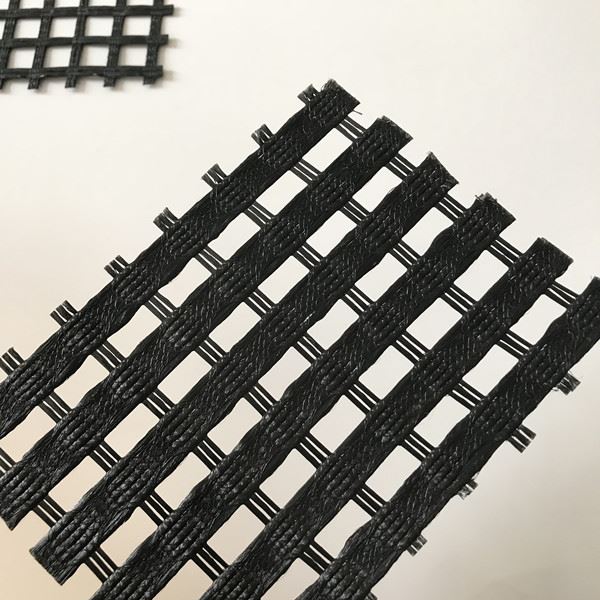
For example, in road construction projects, the road surface is subjected to heavy traffic loads. A PES Geogrid can be placed within the sub - base or base layer of the road. Its high tensile strength helps to distribute the load more evenly across the soil, reducing the stress concentration on the underlying soil. This results in less rutting and cracking on the road surface, extending the service life of the road. In contrast, geogrids with lower tensile strength may not be able to handle the same level of load, leading to premature failure of the road structure.
Excellent Chemical Resistance
PES Geogrid has outstanding chemical resistance. Polyester is resistant to a wide range of chemicals, including acids, alkalis, and salts. This property makes PES Geogrid suitable for use in various soil environments, especially in areas with contaminated or aggressive soils.
In coastal areas, the soil often contains high levels of salts due to the proximity to the sea. When using PES Geogrid for soil reinforcement in such areas, it can resist the corrosive effects of the salts. Other geogrids made from materials that are less chemically resistant may degrade over time when exposed to these harsh conditions. The chemical stability of PES Geogrid ensures its long - term performance and reliability in soil reinforcement applications, reducing the need for frequent replacements and maintenance.
Good Creep Resistance
Creep is the gradual deformation of a material under a constant load over time. PES Geogrid exhibits excellent creep resistance. The polyester fibers in the geogrid have a stable molecular structure that resists the tendency to deform over long - term loading.
In applications such as embankment construction, where the geogrid is under continuous pressure from the weight of the soil and any additional loads, creep resistance is crucial. A PES Geogrid can maintain its shape and strength over an extended period, providing consistent reinforcement to the embankment. This is in contrast to some geogrids that may experience significant creep, which can lead to a reduction in the reinforcement effect and potentially cause instability in the embankment structure.
High Aperture Stability
PES Geogrid typically has high aperture stability. The apertures in the geogrid are designed to interlock with the surrounding soil particles. The polyester material maintains its shape and size of the apertures even under high loads and over time.
This stability is important for effective soil - geogrid interaction. When the soil particles fill the apertures of the PES Geogrid, a strong mechanical bond is formed between the soil and the geogrid. This bond enhances the shear strength of the soil - geogrid composite. In comparison, some geogrids may have apertures that deform easily, reducing the effectiveness of the soil - geogrid interaction and the overall reinforcement performance.
Compatibility with Different Soils
PES Geogrid is highly compatible with a wide variety of soil types, including sandy soils, clayey soils, and silty soils. Its surface characteristics and aperture design allow it to work effectively with different soil particle sizes and properties.
In sandy soils, the geogrid can prevent the lateral movement of the sand particles, improving the stability of the sand mass. In clayey soils, the PES Geogrid can help to reduce the swelling and shrinkage effects of the clay, providing better control over the soil's volume changes. This versatility makes PES Geogrid a popular choice for many geotechnical projects where different soil conditions may be encountered.
Comparison with Specific Types of Geogrids
Polyester Biaxial Geogrid
Our Polyester Biaxial Geogrid is a type of PES Geogrid that offers balanced strength in both the longitudinal and transverse directions. This is particularly useful in applications where the load is applied in multiple directions, such as in foundation reinforcement. Compared to some uniaxial geogrids that only provide strength in one direction, the biaxial design of the polyester geogrid can better distribute the load and provide more comprehensive reinforcement.
Woven PET Geogrid
The Woven PET Geogrid is another form of PES Geogrid. The woven structure gives it a high level of integrity and stability. Woven PET Geogrids are often used in applications where high - precision reinforcement is required, such as in slope stabilization. The woven pattern allows for a more uniform distribution of the load and a better interlock with the soil particles compared to some non - woven geogrids.
Soil Stabilization Polyester Geogrid
Our Soil Stabilization Polyester Geogrid is specifically designed for soil stabilization applications. It combines all the advantages of PES Geogrid, such as high tensile strength, chemical resistance, and creep resistance, to effectively improve the stability of the soil. Compared to other soil stabilization methods that may involve the use of traditional materials like gravel or concrete, the PES Geogrid is more cost - effective and easier to install.
Environmental Friendliness
In addition to its technical advantages, PES Geogrid is also relatively environmentally friendly. Polyester is a recyclable material, and the production process of PES Geogrid can be designed to minimize waste and energy consumption. As the demand for sustainable construction materials increases, the environmental benefits of PES Geogrid make it an attractive option for many geotechnical projects.
Cost - Effectiveness
Although the initial cost of PES Geogrid may be slightly higher than some other geogrids in some cases, its long - term cost - effectiveness is significant. Due to its high strength, durability, and low maintenance requirements, the overall cost of using PES Geogrid in a project can be lower over the project's lifespan. The reduced need for repairs and replacements, as well as the extended service life of the structures it reinforces, result in cost savings in the long run.
Conclusion
In conclusion, PES Geogrid offers a wide range of advantages over other geogrids. Its high tensile strength, excellent chemical and creep resistance, high aperture stability, compatibility with different soils, and environmental friendliness make it a superior choice for many geotechnical applications. Whether it's for road construction, embankment reinforcement, slope stabilization, or soil stabilization, PES Geogrid can provide reliable and long - term reinforcement solutions.
If you are involved in a geotechnical project and are considering using geogrids, I encourage you to contact us for more information about our PES Geogrid products. We can provide you with detailed product specifications, technical support, and help you determine the most suitable geogrid solution for your specific project needs. Let's work together to achieve high - quality and sustainable geotechnical engineering results.
References
- Koerner, R. M. (2012). Designing with Geosynthetics. Pearson.
- Giroud, J. P., & Bonaparte, R. (1989). Geotextile - reinforced soil retaining walls. Journal of Geotechnical Engineering, 115(10), 1442 - 1463.
- Mitchell, J. K. (1993). Fundamentals of Soil Behavior. Wiley.