

Hey there! I'm a supplier of HDPE Uniaxial Geogrid, and today I want to chat with you about whether it's suitable for use in mountainous areas.
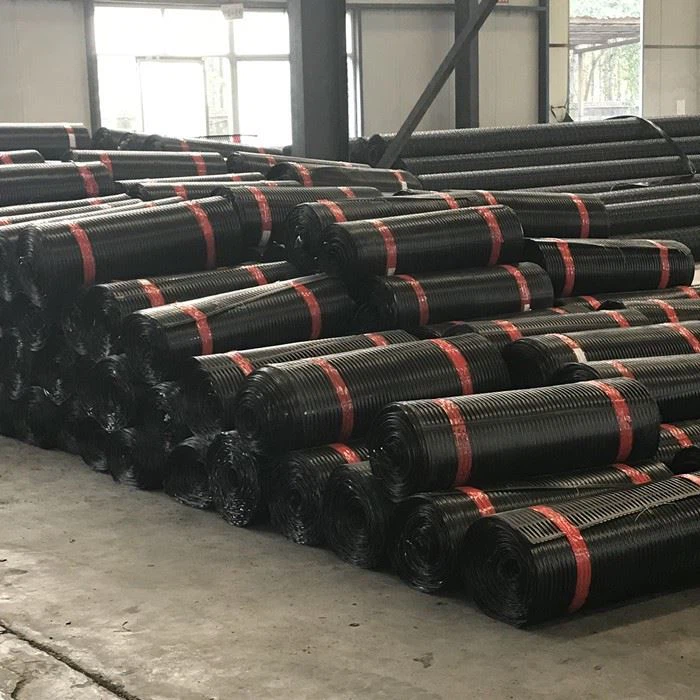

First off, let's understand what HDPE Uniaxial Geogrid is. It's a high - density polyethylene (HDPE) product that's been specially engineered. This type of geogrid has a uniaxial structure, which means it has high strength in one direction. It's often used in construction and civil engineering projects to reinforce soil, prevent soil erosion, and enhance the stability of various structures.
Now, let's dig into the situation in mountainous areas. Mountainous terrains are known for their challenging conditions. The slopes can be steep, the soil type can vary greatly from one spot to another, and there's always the risk of natural disasters like landslides, rockfalls, and heavy rainfall.
One of the big advantages of using HDPE Uniaxial Geogrid in mountainous areas is its high tensile strength. In steep slopes, the soil is under a lot of stress due to gravity. The uniaxial geogrid can be installed horizontally or along the slope to reinforce the soil. It acts like a strong backbone, holding the soil particles together and preventing them from sliding down. For instance, when building roads on mountain slopes, the geogrid can be placed beneath the road base. This reinforcement helps distribute the load from the traffic evenly across the soil, reducing the risk of road deformation and collapse.
Another benefit is its resistance to environmental factors. HDPE is a durable material that can withstand harsh weather conditions. In mountainous areas, temperatures can vary significantly between day and night, and there can be heavy snowfall in winter and intense rainfall in the monsoon season. The HDPE Uniaxial Geogrid won't degrade easily under these circumstances. Unlike some other materials that might rust or rot, HDPE is corrosion - resistant, ensuring long - term performance.
When it comes to soil stabilization, the geogrid can be very effective in different soil types. Whether it's clayey soil, sandy soil, or a mix of both, the geogrid can interlock with the soil particles. In clayey soil, which tends to expand and contract with changes in moisture content, the geogrid restricts this movement, preventing cracks and heaving. In sandy soil, which is more prone to erosion, the geogrid holds the sand in place, reducing the loss of soil due to wind or water.
Now, let's talk about some of the potential challenges. One issue could be the installation process. In mountainous areas, access can be difficult. Transporting the geogrid to the site might require special equipment and careful planning. The terrain might be uneven, making it a bit tricky to lay the geogrid flat. However, with proper installation techniques and experienced workers, these challenges can be overcome.
Another consideration is the cost. HDPE Uniaxial Geogrid is an investment. But when you think about the long - term benefits, such as reduced maintenance costs for roads and structures, and the prevention of costly landslides, it's often worth it.
There are different types of HDPE Uniaxial Geogrid available. For example, the Extruded Polyethylene Geogrid is a popular choice. It's made through an extrusion process, which gives it a uniform structure and consistent strength. The HDPE UX Geogrid is also a great option, designed to meet specific engineering requirements.
In conclusion, HDPE Uniaxial Geogrid is definitely suitable for use in mountainous areas. Its strength, durability, and soil - stabilizing properties make it a valuable asset in dealing with the challenging conditions of mountain terrains.
If you're involved in a project in a mountainous area and think HDPE Uniaxial Geogrid could be the solution you need, I'd love to have a chat with you. We can discuss your specific requirements, the best type of geogrid for your project, and how to ensure a smooth installation process. Don't hesitate to reach out if you want to learn more or start the procurement process.
References
- "Geosynthetics in Civil Engineering" by Robert M. Koerner
- "Soil Reinforcement with Geosynthetics" by A. J. Fleming and P. S. Weltman