

Yo, folks! As a supplier of welded geogrids, I've gotten tons of questions about how different factors affect the use of these awesome products. One of the most frequently asked questions is how the elongation rate affects the use of welded geogrid. So, let's dive right in and break it down!
What is Welded Geogrid Anyway?
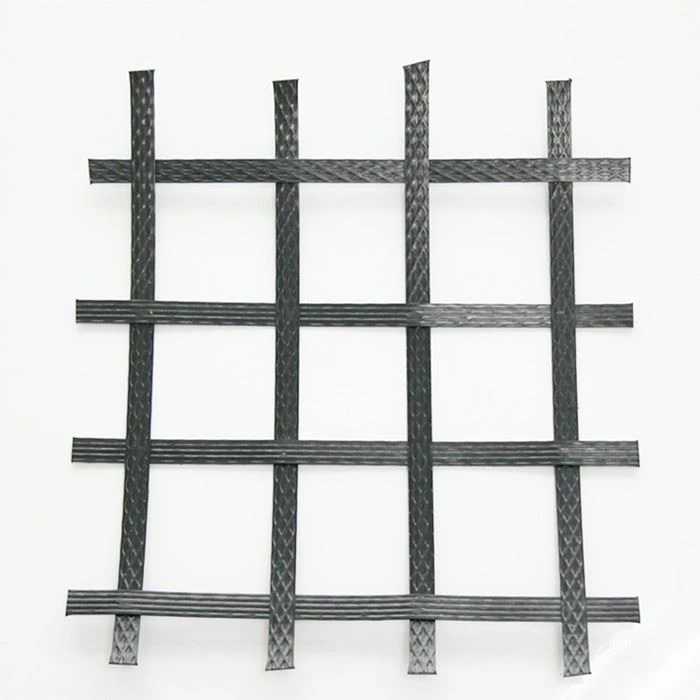
First off, for those who might be new to the game, welded geogrid is a type of geosynthetic material made up of intersecting ribs that are welded together. It's widely used in civil engineering projects like road construction, slope stabilization, and foundation reinforcement. There are different types available, such as Welding PET Geogrid, PP Laser Welded Geogrid, and PET Laser Welded Geogrid, each with its own unique properties and benefits.
Understanding Elongation Rate
Elongation rate is basically the percentage increase in length of a material when it's subjected to tension. In the context of welded geogrid, it refers to how much the geogrid can stretch before it breaks or loses its structural integrity. Elongation rate is usually expressed as a percentage, and it's an important factor to consider when choosing the right welded geogrid for your project.
How Elongation Rate Affects Strength and Stability
One of the most significant ways the elongation rate affects the use of welded geogrid is in its impact on strength and stability. A geogrid with a low elongation rate is generally stiffer and less flexible. This can be a good thing in applications where you need the geogrid to provide immediate reinforcement and resist deformation. For example, in road construction, a low-elongation geogrid can help distribute the load of traffic more evenly, reducing the chances of potholes and surface cracks.
On the other hand, a geogrid with a high elongation rate is more flexible and can stretch more before breaking. This can be beneficial in situations where there is a lot of movement or settlement in the soil. For instance, in slope stabilization projects, a high-elongation geogrid can conform to the shape of the slope and accommodate any soil movement without losing its effectiveness.
Impact on Installation
The elongation rate also plays a role in the installation process. A low-elongation geogrid can be more difficult to handle and install because it doesn't stretch easily. It may require more precise alignment and tensioning to ensure a proper fit. This can increase the installation time and cost, especially in large projects.
In contrast, a high-elongation geogrid is more forgiving and easier to install. It can be easily stretched and adjusted to fit the contours of the project site. This can save time and labor costs during installation, making it a popular choice for many contractors.
Considerations for Different Projects
Let's take a look at how the elongation rate affects the use of welded geogrid in different types of projects:
Road Construction
In road construction, the elongation rate of the geogrid can have a significant impact on the performance of the road. A low-elongation geogrid is often preferred because it can provide immediate reinforcement and prevent the formation of cracks. It helps to distribute the load of traffic more evenly, reducing the stress on the pavement and extending its lifespan.
Slope Stabilization
For slope stabilization projects, a high-elongation geogrid is usually the better choice. Slopes are prone to movement and settlement, and a high-elongation geogrid can accommodate this movement without losing its effectiveness. It can conform to the shape of the slope and provide long-term stability.
Foundation Reinforcement
In foundation reinforcement, the choice of a geogrid depends on the characteristics of the soil and the expected load. A low-elongation geogrid may be suitable for stable soils with a relatively low load, while a high-elongation geogrid may be more appropriate for soft or unstable soils with a high load.
Balancing Elongation Rate with Other Factors
It's important to note that the elongation rate isn't the only factor to consider when choosing a welded geogrid. Other factors, such as tensile strength, aperture size, and chemical resistance, also play a crucial role. You need to balance the elongation rate with these other factors to ensure that you choose the right geogrid for your specific project.
For example, a geogrid with a high elongation rate may have lower tensile strength. In a project where high strength is required, you may need to choose a geogrid with a lower elongation rate, even if it means sacrificing some flexibility.

Conclusion
In conclusion, the elongation rate has a major impact on the use of welded geogrid. It affects the strength, stability, and installation process of the geogrid, as well as its suitability for different types of projects. As a supplier, I always recommend that customers carefully consider the elongation rate, along with other factors, when choosing a welded geogrid for their projects.
If you're in the market for welded geogrid and need help choosing the right product for your project, don't hesitate to get in touch. I'm here to assist you and make sure you get the best geogrid solution for your needs. Let's work together to make your project a success!
References
- Koerner, R. M. (2012). Designing with Geosynthetics. Pearson.
- Bonaparte, R., & Christopher, B. R. (1994). Geosynthetics in Civil and Environmental Engineering. McGraw-Hill.
- American Society for Testing and Materials (ASTM). (Various years). Standards related to geogrids.