

Hey there! As a supplier of Polyester Fiber Geogrid, I'm super stoked to chat with you about how this nifty product supports the soil around geothermal pipes. It's a topic that combines a bit of science with some practical know - how, so let's dive right in!
What's Polyester Fiber Geogrid Anyway?
First off, let me quickly introduce what Polyester Fiber Geogrid is. It's a type of geosynthetic material made from high - strength polyester fibers. These fibers are woven or knitted together to form a grid - like structure. There are different types available, like the Polyester Geogrid with Bitumen Coating, PET Uniaxial Geogrid, and Polyester Biaxial Geogrid. Each type has its own unique properties and uses, but they all share the core benefit of enhancing soil stability.
Understanding Geothermal Pipes and Soil Challenges
Geothermal pipes are a key part of geothermal energy systems. They're buried underground to exchange heat with the earth. But here's the deal: the soil around these pipes can face some serious challenges. Temperature changes are a big one. Geothermal pipes can heat or cool the surrounding soil, which causes the soil to expand or contract. Over time, this can lead to soil settlement, which isn't good for the pipes.
Another issue is soil erosion. Water movement around the pipes can wash away the soil particles, creating voids and weakening the soil structure. And let's not forget about the mechanical stress from the weight of the soil and any surface loads above. All these factors can put a lot of pressure on the geothermal pipes and potentially damage them.
How Polyester Fiber Geogrid Comes to the Rescue
Reinforcement
One of the main ways Polyester Fiber Geogrid supports the soil around geothermal pipes is through reinforcement. When the geogrid is installed in the soil, it acts like a skeleton. The grid structure distributes the loads more evenly across a larger area. This means that instead of the stress being concentrated in one spot, it's spread out. So, when the soil expands or contracts due to temperature changes, the geogrid helps hold it together, reducing the risk of soil settlement.
For example, if there's a heavy surface load above the geothermal pipes, the geogrid will transfer the load to a wider area of the soil. This reduces the pressure on the pipes and the immediate surrounding soil, preventing excessive deformation.
Soil Stabilization
Polyester Fiber Geogrid also helps with soil stabilization. The grid's open structure allows soil particles to interlock with it. This creates a composite material where the geogrid and the soil work together as a single unit. When water tries to erode the soil, the geogrid holds the soil particles in place. It acts as a barrier that slows down the water flow and prevents the soil from being washed away.
In addition, the geogrid can improve the shear strength of the soil. Shear strength is the ability of the soil to resist forces that cause it to slide or deform. By increasing the shear strength, the geogrid makes the soil more stable and less likely to fail under stress.
Temperature Resistance
Geothermal pipes experience significant temperature variations. Polyester Fiber Geogrid is well - suited to handle these conditions. Polyester fibers have good temperature resistance properties. They can withstand the temperature changes caused by the geothermal pipes without losing their strength or integrity. This means that the geogrid can continue to support the soil even when the temperature around the pipes fluctuates.
Long - Term Durability
We all want products that last, right? Well, Polyester Fiber Geogrid is known for its long - term durability. It's resistant to chemical degradation, which is important because the soil around geothermal pipes may contain various chemicals. The geogrid won't break down easily over time, ensuring that it provides continuous support to the soil.
Installation of Polyester Fiber Geogrid for Geothermal Pipes
Installing Polyester Fiber Geogrid around geothermal pipes isn't overly complicated, but it does require some careful planning. First, the soil needs to be properly prepared. It should be leveled and compacted to provide a stable base for the geogrid. Then, the geogrid is laid out over the soil. It's important to make sure that the geogrid is properly aligned and overlapped if multiple sheets are used.
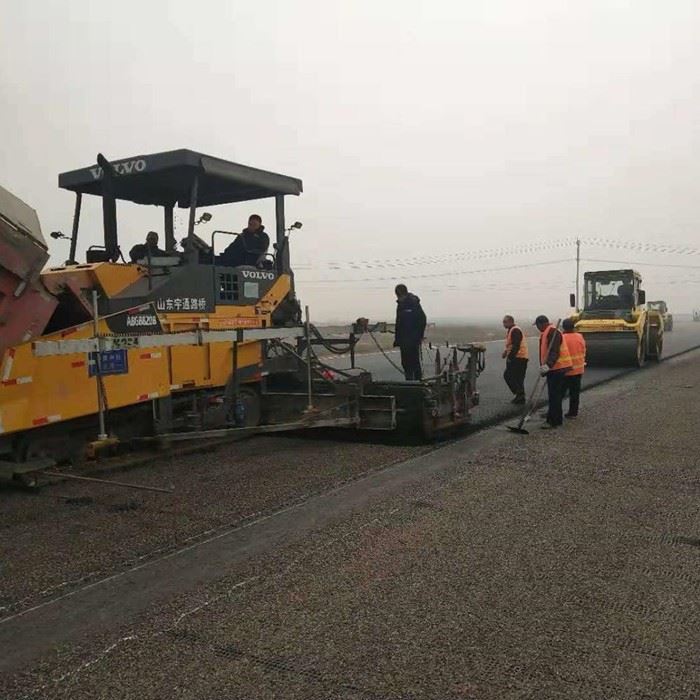

Once the geogrid is in place, the geothermal pipes can be installed on top of it. After that, more soil is backfilled over the pipes and the geogrid. The backfill soil should also be compacted to ensure good contact between the soil, the geogrid, and the pipes.
Case Studies: Real - World Success
There have been several real - world projects where Polyester Fiber Geogrid has been used to support the soil around geothermal pipes. In one large - scale geothermal energy project in a cold climate region, the use of Polyester Biaxial Geogrid significantly reduced soil settlement around the geothermal pipes. The project team noticed that after the installation of the geogrid, the pipes remained stable even during the harsh winter months when the soil temperature dropped significantly.
In another project in an area with high groundwater levels, the geogrid prevented soil erosion around the geothermal pipes. The open structure of the geogrid allowed water to drain through while holding the soil particles in place. This not only protected the pipes but also improved the overall performance of the geothermal system.
Why Choose Our Polyester Fiber Geogrid
As a supplier, we take pride in offering high - quality Polyester Fiber Geogrid. Our products are made from top - notch polyester fibers that are carefully selected for their strength and durability. We have a wide range of geogrid types to suit different project requirements. Whether you need a uniaxial geogrid for projects with one - way stress or a biaxial geogrid for more complex load conditions, we've got you covered.
We also provide excellent customer service. Our team of experts can help you choose the right geogrid for your geothermal project and offer guidance on installation. We understand that every project is unique, and we're committed to finding the best solutions for you.
Let's Talk Business
If you're working on a geothermal project or planning one in the future, I highly recommend considering Polyester Fiber Geogrid for soil support. It's a cost - effective and reliable solution that can protect your geothermal pipes and improve the performance of your system.
I'd love to have a chat with you about your specific needs. Whether you have questions about the product, need a quote, or want to discuss installation details, don't hesitate to reach out. We're here to help you make the most of your geothermal project with our top - quality Polyester Fiber Geogrid.
References
- Koerner, R. M. (2012). Designing with Geosynthetics. Pearson.
- ASTM International. (2019). Standard Specification for Geosynthetics Used in Geotechnical and Geoenvironmental Engineering. ASTM D4354.