

Erosion is a natural process that can have detrimental effects on vegetation, soil quality, and overall ecosystem health. Erosion control mats, also known as erosion protection matting, are an effective solution for protecting vegetation from the damaging effects of erosion. As a supplier of erosion control mats, I have witnessed firsthand the benefits these mats provide in safeguarding plant life and promoting healthy growth. In this blog post, I will explore how erosion control mats protect vegetation and why they are a valuable investment for any project.
Understanding Erosion and Its Impact on Vegetation
Erosion occurs when soil is displaced by natural forces such as water, wind, or gravity. This can lead to the loss of topsoil, which is rich in nutrients and essential for plant growth. Without a stable soil base, vegetation struggles to establish roots, absorb water and nutrients, and withstand environmental stressors. As a result, plants may become weak, stunted, or even die off, leading to a decline in biodiversity and ecosystem function.
In addition to soil loss, erosion can also cause sedimentation in waterways, which can harm aquatic life and degrade water quality. This can have far-reaching consequences for both human and environmental health, making erosion control a critical issue for sustainable land management.
How Erosion Control Mats Work
Erosion control mats are designed to provide a protective barrier between the soil and the elements, preventing erosion and promoting vegetation growth. These mats are typically made from a variety of materials, including natural fibers, synthetic polymers, or a combination of both. The choice of material depends on the specific application and the environmental conditions of the site.
One of the primary ways erosion control mats protect vegetation is by stabilizing the soil. The mats are placed on the ground surface and held in place with stakes or pins, creating a physical barrier that prevents soil from being washed away by water or blown away by wind. This helps to maintain the integrity of the soil structure and provides a stable foundation for plant roots to grow.
In addition to soil stabilization, erosion control mats also help to retain moisture in the soil. The mats act as a mulch, reducing evaporation and preventing water from running off the surface. This helps to keep the soil moist, which is essential for plant growth, especially in dry or arid environments.
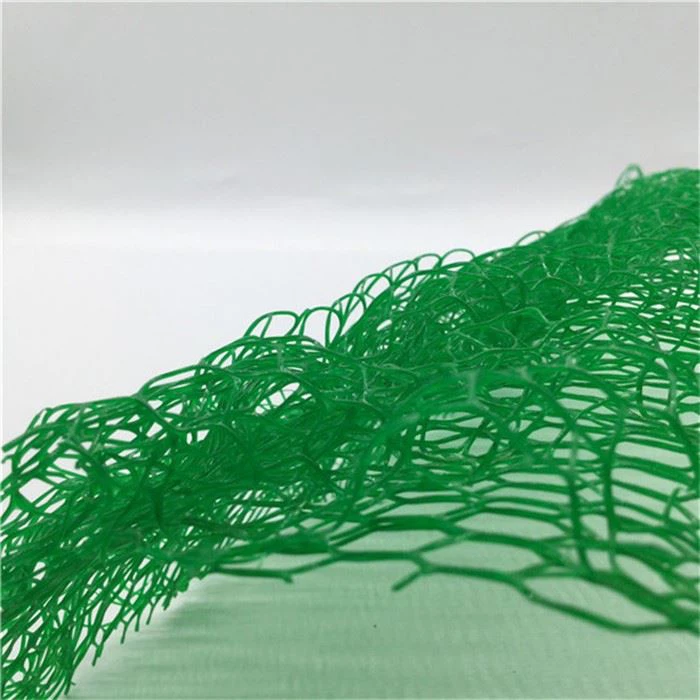

Another important function of erosion control mats is to provide a favorable environment for seed germination and plant establishment. The mats create a microclimate that is protected from extreme temperatures, wind, and sunlight, which can be harmful to young plants. They also provide a surface for seeds to adhere to, increasing the chances of successful germination and growth.
Types of Erosion Control Mats
There are several types of erosion control mats available on the market, each with its own unique features and benefits. Some of the most common types include:
- Natural Fiber Mats: These mats are made from natural materials such as straw, coconut fiber, or jute. They are biodegradable, environmentally friendly, and provide excellent soil stabilization and moisture retention. Natural fiber mats are ideal for use in areas where aesthetics are important, as they blend in well with the surrounding environment.
- Synthetic Mats: Synthetic mats are made from materials such as polypropylene, polyethylene, or polyester. They are durable, long-lasting, and resistant to UV radiation and chemical degradation. Synthetic mats are often used in high-traffic areas or areas with severe erosion problems.
- Three-dimensional Vegetation Networks: Three-dimensional Vegetation Network are a type of erosion control mat that consists of a network of interconnected cells filled with soil and vegetation. These mats provide excellent soil stabilization and erosion control, as well as a habitat for wildlife. Three-dimensional vegetation networks are commonly used in slope stabilization projects, stream bank restoration, and wetland creation.
Benefits of Using Erosion Control Mats
There are many benefits to using erosion control mats to protect vegetation, including:
- Soil Stabilization: Erosion control mats prevent soil erosion, which helps to maintain the integrity of the soil structure and provides a stable foundation for plant growth.
- Moisture Retention: The mats help to retain moisture in the soil, reducing evaporation and preventing water from running off the surface. This helps to keep the soil moist, which is essential for plant growth.
- Seed Germination and Plant Establishment: Erosion control mats create a favorable environment for seed germination and plant establishment, increasing the chances of successful growth.
- Environmental Protection: By preventing soil erosion and sedimentation in waterways, erosion control mats help to protect the environment and preserve biodiversity.
- Cost-Effective: Erosion control mats are a cost-effective solution for erosion control, as they require less maintenance and are more durable than traditional erosion control methods.
Applications of Erosion Control Mats
Erosion control mats can be used in a variety of applications, including:
- Slope Stabilization: Erosion control mats are commonly used to stabilize slopes and prevent soil erosion on hillsides, embankments, and other sloped areas.
- Stream Bank Restoration: These mats are also used to protect stream banks from erosion and to restore damaged riparian areas.
- Landscaping: Erosion control mats can be used in landscaping projects to prevent soil erosion and promote vegetation growth in gardens, parks, and other outdoor spaces.
- Construction Sites: Construction sites are often prone to erosion, especially during the grading and excavation process. Erosion control mats can be used to prevent soil erosion and sedimentation on construction sites, protecting the environment and complying with environmental regulations.
Conclusion
Erosion control mats are an effective and cost-efficient solution for protecting vegetation from the damaging effects of erosion. As a supplier of Erosion Protection Matting, I have seen firsthand the positive impact these mats can have on soil stability, vegetation growth, and environmental protection. Whether you are working on a slope stabilization project, a stream bank restoration, or a landscaping project, erosion control mats can help you achieve your goals and create a sustainable environment.
If you are interested in learning more about erosion control mats or would like to discuss your specific project needs, please contact us. Our team of experts is available to provide you with the information and support you need to make an informed decision. We look forward to working with you to protect your vegetation and prevent erosion.
References
- ASTM International. (2019). Standard Specification for Erosion Control Blankets, Mats, Rolls, and Turf Reinforcement Mats. ASTM D6459-19.
- Federal Highway Administration. (2016). Erosion Control and Sedimentation Control Best Management Practices. FHWA-NHI-16-043.
- Natural Resources Conservation Service. (2018). Erosion Control Practices. NRCS Conservation Practice Standards.