

Hey there! As a supplier of PP Biaxial Geogrid, I often get asked if this nifty product can be used in road construction. Well, the short answer is a resounding yes! But let's dive deeper into the details and explore why PP Biaxial Geogrid is a game - changer in the world of road building.
What is PP Biaxial Geogrid?
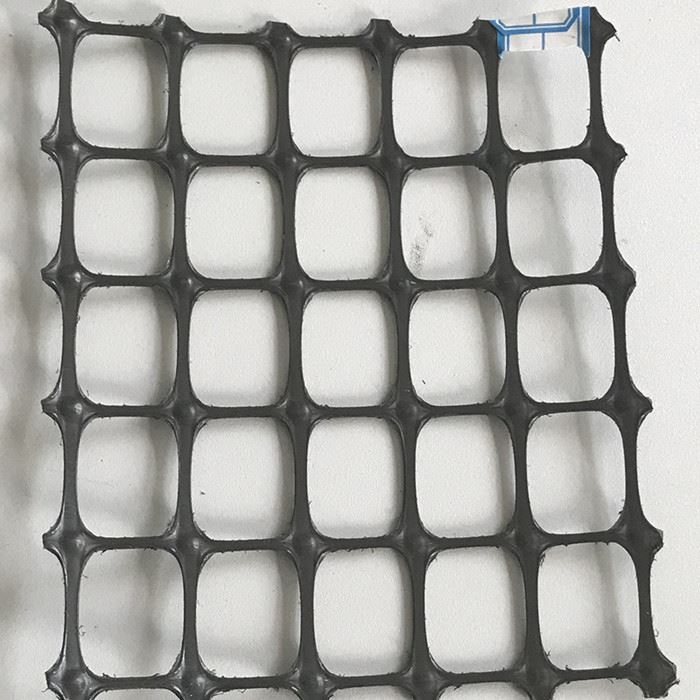
First off, let's quickly go over what PP Biaxial Geogrid actually is. PP stands for polypropylene, a type of plastic that's known for its durability and resistance to environmental factors. The "biaxial" part means that the geogrid has strength in two directions - both longitudinally and transversely.
You can think of it as a sort of mesh - like structure made from polypropylene. This structure gives it unique properties that make it super useful in various applications, especially in road construction. If you want to know more about it, check out Plastic Geogrid. It's a great resource to learn about the different types and features of this product.
Why Use PP Biaxial Geogrid in Road Construction?
Now, let's talk about the reasons why PP Biaxial Geogrid is a top choice for road building.
1. Reinforcement of the Subgrade
The subgrade is the foundation of a road. It needs to be strong enough to support the weight of the traffic that will pass over it. PP Biaxial Geogrid can significantly improve the bearing capacity of the subgrade. When placed in the subgrade, the geogrid interlocks with the soil particles. This interlocking effect distributes the load more evenly across a larger area, reducing the stress on the subgrade.
For example, in areas with soft or unstable soil, the use of PP BX Geogrid can prevent the road from sinking or developing potholes. It acts like a sort of safety net, holding the soil in place and ensuring that the road remains stable over time.
2. Prevention of Rutting
Rutting is a common problem in roads, especially in areas with heavy traffic. It's the formation of depressions in the wheel paths of the road. PP Biaxial Geogrid helps to prevent rutting by providing lateral restraint to the asphalt or aggregate layers.
The geogrid's biaxial strength keeps the materials in place, preventing them from being pushed aside by the repeated load of vehicles. This means that the road surface stays smooth and even, reducing the need for frequent repairs and maintenance.
3. Improved Asphalt Performance
When used in asphalt pavements, PP Biaxial Geogrid can enhance the performance of the asphalt. It can increase the fatigue life of the asphalt, which means that the road can withstand more traffic cycles before cracking.
The geogrid also helps to reduce reflective cracking. Reflective cracking occurs when cracks in the underlying layer (such as the subgrade or a previous pavement layer) propagate up to the surface layer. The geogrid acts as a barrier, preventing these cracks from reaching the surface and extending the lifespan of the road.
4. Cost - Effectiveness
In the long run, using PP Biaxial Geogrid can save a lot of money. By improving the performance and durability of the road, it reduces the need for frequent repairs and reconstructions. This means lower maintenance costs over the life of the road.
Also, in some cases, the use of geogrid can allow for a thinner pavement structure. Since the geogrid provides additional strength, less asphalt or aggregate may be required to achieve the same level of performance. This can result in significant cost savings during the construction phase.
How is PP Biaxial Geogrid Installed in Road Construction?
Installing PP Biaxial Geogrid in road construction is a relatively straightforward process.
First, the subgrade needs to be prepared. This involves grading the soil to the correct elevation and compacting it to ensure a stable base. Once the subgrade is ready, the geogrid is unrolled and laid out over the subgrade. It's important to make sure that the geogrid is properly aligned and tensioned.
After the geogrid is in place, the next layer of material (such as aggregate or asphalt) is placed on top. The material should be spread evenly over the geogrid and compacted to ensure good interlocking between the geogrid and the material.
Case Studies
Let's take a look at some real - world examples of how PP Biaxial Geogrid has been used in road construction.
In a rural road project in a region with soft soil, the use of Polypropylene Geogrid made a huge difference. Before the installation of the geogrid, the road was constantly developing potholes and ruts, even with light traffic. After the geogrid was installed, the road surface remained smooth and stable for several years, with minimal maintenance required.
In another project, a busy urban highway was being reconstructed. The engineers decided to use PP Biaxial Geogrid in the asphalt layer to improve its performance. The result was a significant reduction in reflective cracking and rutting, even under heavy traffic conditions. This not only improved the safety of the road but also saved a large amount of money on future repairs.
Conclusion
So, to sum it up, PP Biaxial Geogrid is an excellent choice for road construction. It offers a range of benefits, from reinforcing the subgrade and preventing rutting to improving asphalt performance and being cost - effective. Whether you're building a small rural road or a major urban highway, this product can make a big difference in the quality and longevity of the road.

If you're involved in a road construction project and are considering using PP Biaxial Geogrid, I'd love to talk to you. We can discuss your specific needs and how our high - quality geogrid products can meet them. Don't hesitate to reach out for more information and to start a conversation about your procurement needs.
References
- "Geosynthetics in Civil Engineering" by Robert M. Koerner
- "Pavement Engineering: Principles and Practice" by Yang H. Huang